

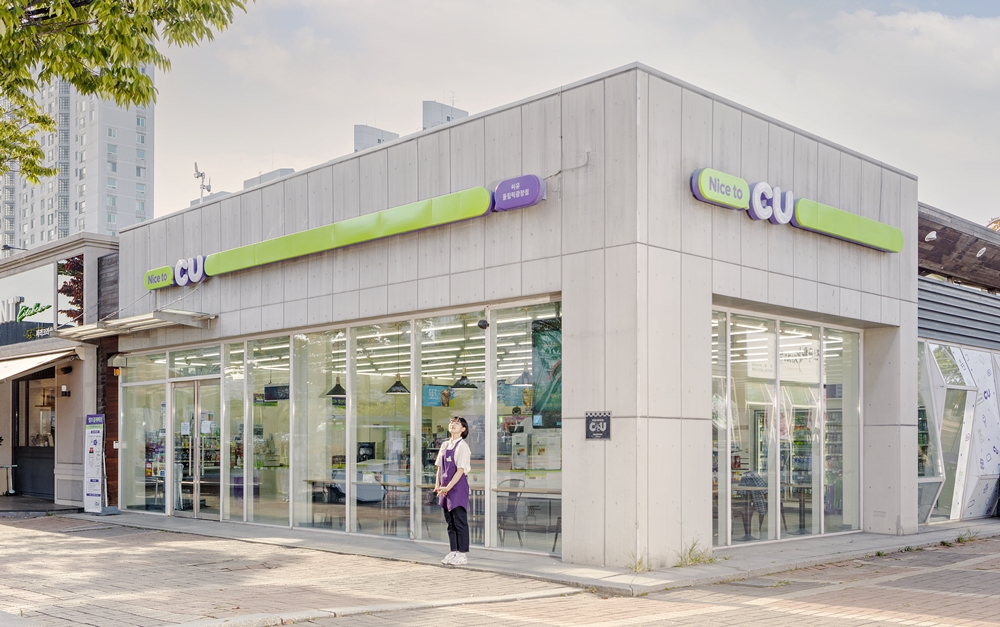
Driven by the growth momentum of convenience store CU, BGF Retail surpassed 100 billion won in quarterly operating profit for the first time in its history. The strong performance was underpinned by the success of differentiated products leveraging mega-hit intellectual property (IP) and an increase in sales to foreign customers. Competitor GS Retail posted its highest-ever quarterly operating profit, but convenience store GS25 saw a decline in operating profit due to the reflection of one-time costs related to merchandise. GS25 plans to restore profitability by strengthening store competitiveness and expanding differentiated products.
BGF Retail announced on the 5th that its consolidated operating profit for the third quarter of this year reached 100.8 billion won, a 3.2% increase from the same period last year. This is the first time quarterly operating profit has exceeded 100 billion won. Revenue rose by 2.1% to 2.5152 trillion won compared to the same period last year.
BGF Retail's strong results were driven by its core business, convenience store CU. Although BGF Retail reports its results on a consolidated basis that includes the performance of affiliates such as BGF Logistics, BGF Networks, and BGF Eco Materials, CU accounts for approximately 97% of revenue and operating profit. Effectively, CU's performance determines the overall results of BGF Retail.
Despite unfavorable business conditions, including the base effect from last year's consumption coupon distribution and summer heatwaves, CU maintained its growth momentum thanks to increased sales to foreign customers and strong sales of processed foods. In particular, product launches and marketing leveraging popular IPs such as Rescene proved effective. Differentiated products, including coffee candy and truffle ham snacks, also contributed to revenue growth.
The expansion of sales to foreigners also boosted performance growth. The increase in total store sales for the third quarter showed that 35.5% was attributable to increased sales to foreign customers. The share of foreigners in total revenue also rose from 1.5% in the same period last year to 2.5%. It is analyzed that strategies aimed at enhancing purchasing convenience for foreign customers, such as immediate tax refund services and the operation of unmanned currency exchange kiosks, were effective.
BGF Retail plans to enhance profitability by expanding its IP-based differentiated product lines and strengthening efforts to attract foreign customers. Additionally, the company intends to secure a medium- to long-term profit foundation by maintaining an expansion policy focused on high-profitability stores and increasing the proportion of mid-to-large-sized stores ranging from 25 to 40 pyeong (approximately 83 to 132 square meters).
GS Retail, which operates convenience store GS25, also recorded a quarterly operating profit of 132.1 billion won, its highest ever on a quarterly basis. Revenue increased by 3.4% from the same period last year to 3.3143 trillion won. GS Retail's strong results were driven by its supermarket and home shopping businesses. Supermarket GS The Fresh achieved record-high quarterly performance in both revenue and operating profit. Home shopping channel GS Shop also recorded an operating profit of 24.2 billion won, a 108.6% increase.
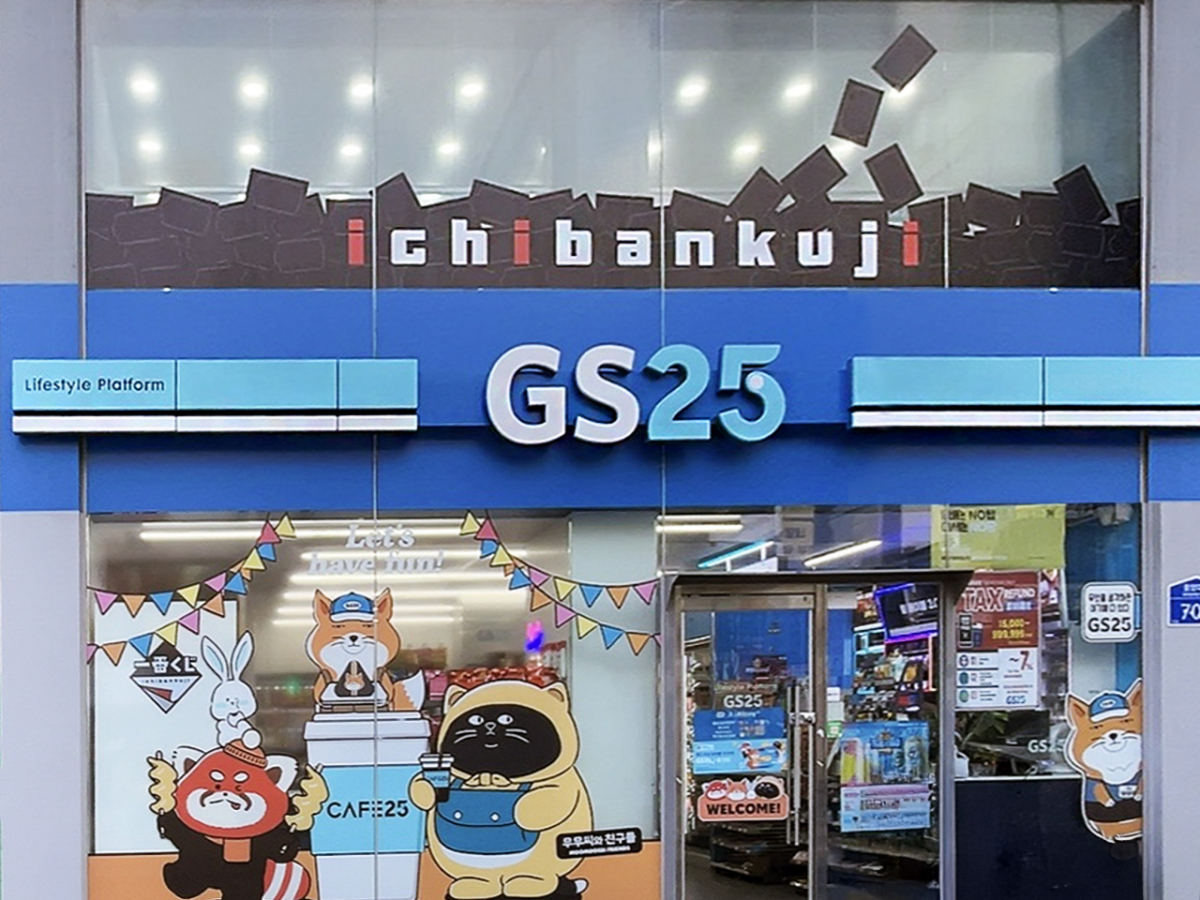
However, GS25, which forms a duopoly structure in the convenience store market alongside CU, saw its performance slow down due to the impact of one-time costs related to merchandise. GS25's third-quarter operating profit was 78.2 billion won, an 8.1% decrease from the same period last year. GS25 explained that the decline in operating profit was not due to a structural deterioration in profitability. It stated that approximately 9.4 billion won in costs incurred during merchandise operations and transactions, including losses from inventory management, were reflected in the results. If these are simply excluded, operating profit would be 87.6 billion won, exceeding the performance of the same period last year.
GS25 plans to accelerate its turnaround in the fourth quarter by strengthening store competitiveness and expanding differentiated products. The company intends to enhance store competitiveness through store enlargement, relocation to prime locations, and the expansion of stores focused on fresh food. Additionally, it aims to expand revenue through the development of differentiated products such as Minumsa Bread, targeting demand from foreign tourists, and expanding its quick commerce business.

 in LIVING

