

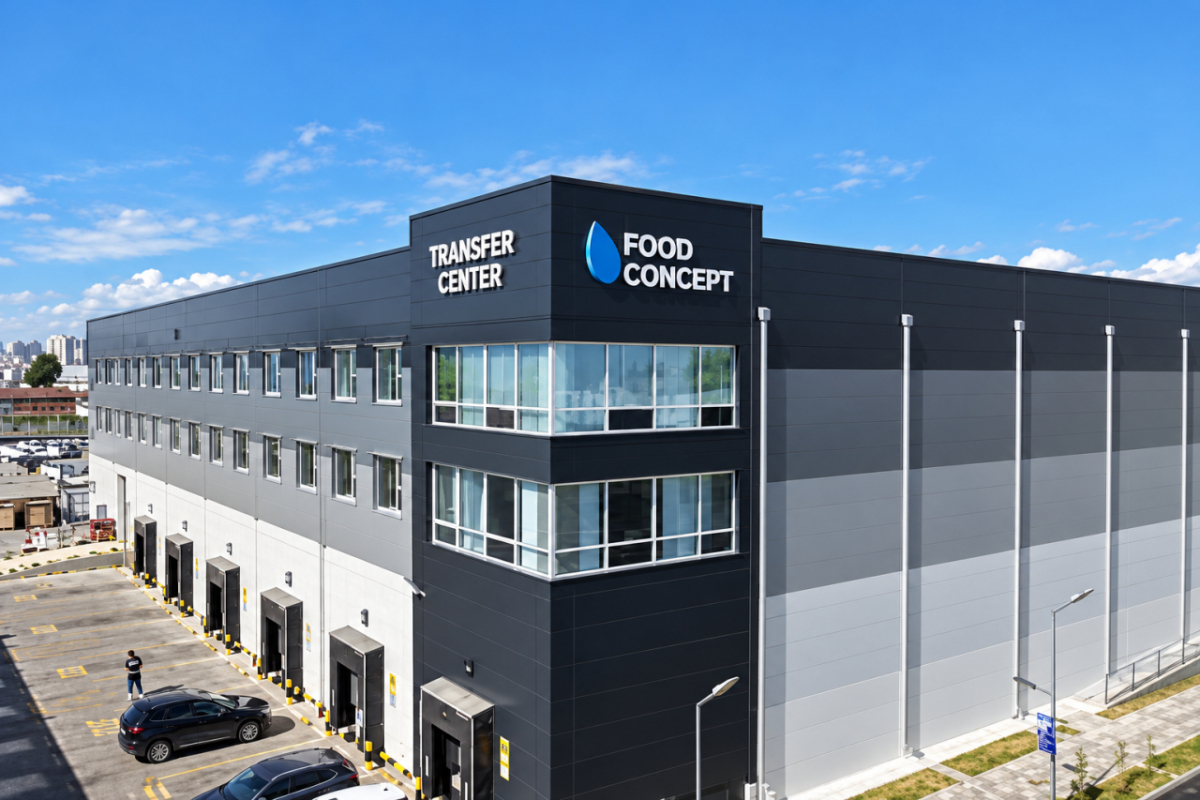
After driving for about 30 minutes from the center of downtown Ulaanbaatar, the capital of Mongolia, on the 27th of last month, GS25's newly constructed FF (Fresh Food) factory came into view. It is the largest FF factory in Mongolia, taking three years from site selection to completion and beginning full-scale operations in July. The facility, built on an 8,960 square meter site, consists of Building A, which handles raw material storage, cooking, packaging, freezing/refrigeration, distribution, and shipping all at once, and the logistics center in Building B.
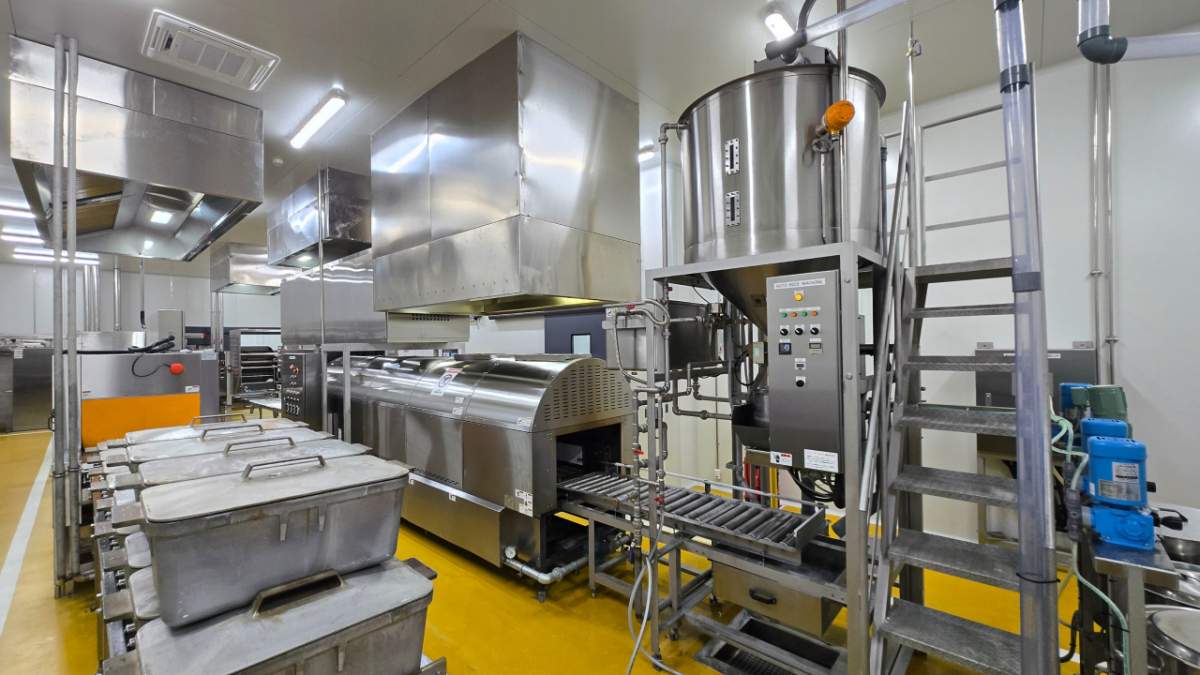
After wearing protective suits, masks, and shoe covers, we entered the cooking area after passing through an air shower and a three-stage disinfection process. The first thing that caught our eye was the large "rice plant" (automatic rice cooking equipment), around which the aroma of savory rice wafted. Once washed rice is pumped up through pipes and automatically fed into the pot, the processes of soaking, cooking, and steaming proceed automatically for about one hour and 30 minutes. The factory consumes one ton of rice daily, and including water, it produces two tons of cooked rice every day.
Freshly cooked hot rice is immediately transferred to a "vacuum cooler" to prevent microbial growth and adjusted to 18 degrees Celsius. The rice was transported from Dangjin in Chungnam Province. Before this factory began operations, when manufacturing was outsourced to local companies, Japanese and Chinese rice was used. However, to offer "real K-instant food" consistent with domestic stores, 100% domestically produced rice was chosen. Along with this, key raw materials such as seaweed, pork (from Jeju), and tuna were also imported from Korea, and core sauces for bulgogi and jeyuk bokkeum (stir-fried pork) apply domestic recipes exactly.
Factory Manager Jo Chang-ho explained, "In the early stages, we attempted to localize raw materials to reduce costs, but there was a significant difference in quality, and given Mongolia's characteristics of high import prices, the cost difference was not substantial." He added, "We determined that the right answer was to offer instant food with the same chewiness and flavor as what is sold in domestic stores."
The factory's maximum daily capacity (production capability) reaches 100,000 items based on an eight-hour shift. Raw material preparation and cooking equipment utilize the latest automation machinery from Korea and Japan. If the installed equipment operates at 100% capacity, it can produce 28,800 triangle gimbap, 19,200 gimbap, over 22,000 bento boxes, over 17,000 sandwiches, and over 14,000 burgers daily. However, considering that production is in its initial stage and the proficiency of local hired personnel, the current daily production volume has been set at 40,000 items.
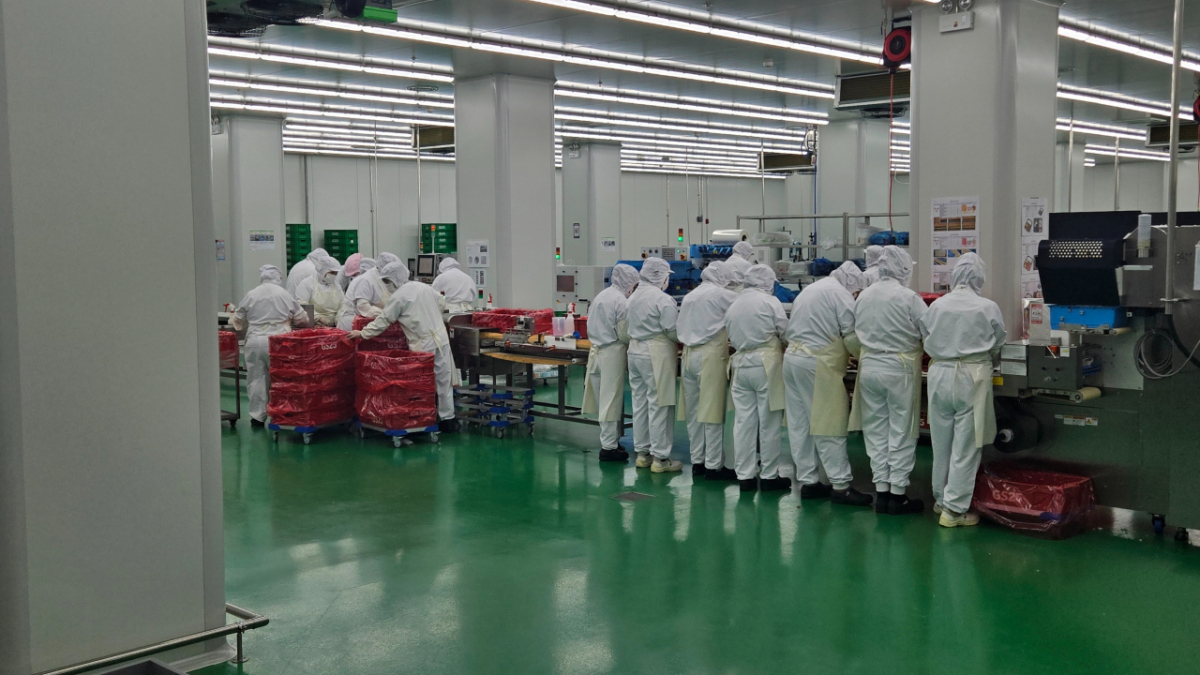
Due to the nature of instant food manufacturing, which requires human handling, cleanliness management is crucial. This is why strict disinfection processes are required before entry. On this day, about 40 workers in the cooking area were producing products divided into lines for gimbap, triangle gimbap, bento boxes, and sandwiches. Each product has a standard volume set, and if it deviates from the appropriate range, it is automatically filtered out at the end of the production line. One could feel that taste, as well as hygiene and consistency, are important competitive advantages for instant food.
Factory Manager Jo stated, "Currently, about 3,000 triangle gimbap and gimbap are produced per hour," adding, "As the number of stores increases, we can raise production capacity accordingly."
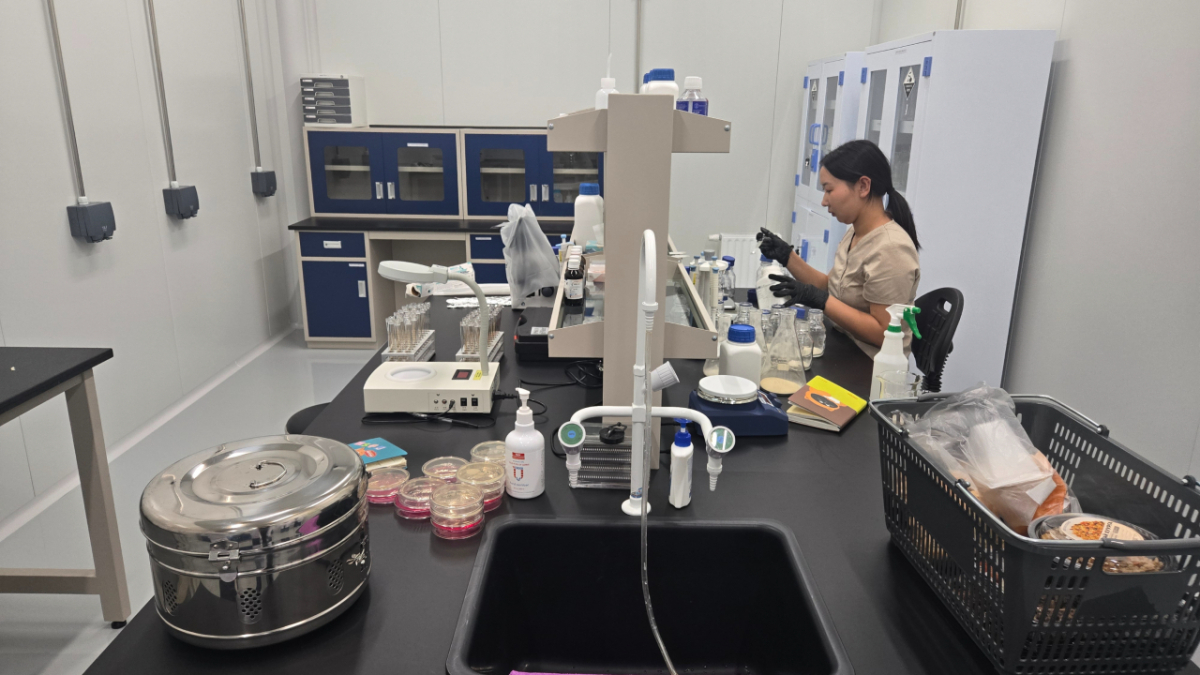
In a quality inspection lab installed in one corner of the factory, researchers were conducting microbial tests by collecting samples from 31 items produced that day and placing them in high-temperature incubators set at 37 degrees and 44 degrees. Although formal certification has not yet been obtained, all production processes and quality control standards are applying Korean HACCP (Hazard Analysis and Critical Control Points) criteria.
The touch of a top local chef is added to high-quality Korean-style raw materials. Chef Sanchir, who was the mentor of the winner of Mongolia's famous cooking competition program "Top Chef," oversees production. Specialized instant food reflecting the winning recipe from the competition is scheduled to be launched this month.
Meanwhile, GS25, which entered the Mongolian market in 2021, currently operates about 290 stores across Mongolia as of the end of September this year. Expanding stores beyond Ulaanbaatar to major regional cities such as Darkhan, it is expected to soon surpass 300 locations. Sales grew more than 25-fold from 4.167 billion won in 2021 to 107.167 billion won last year.

 in LIVING


