

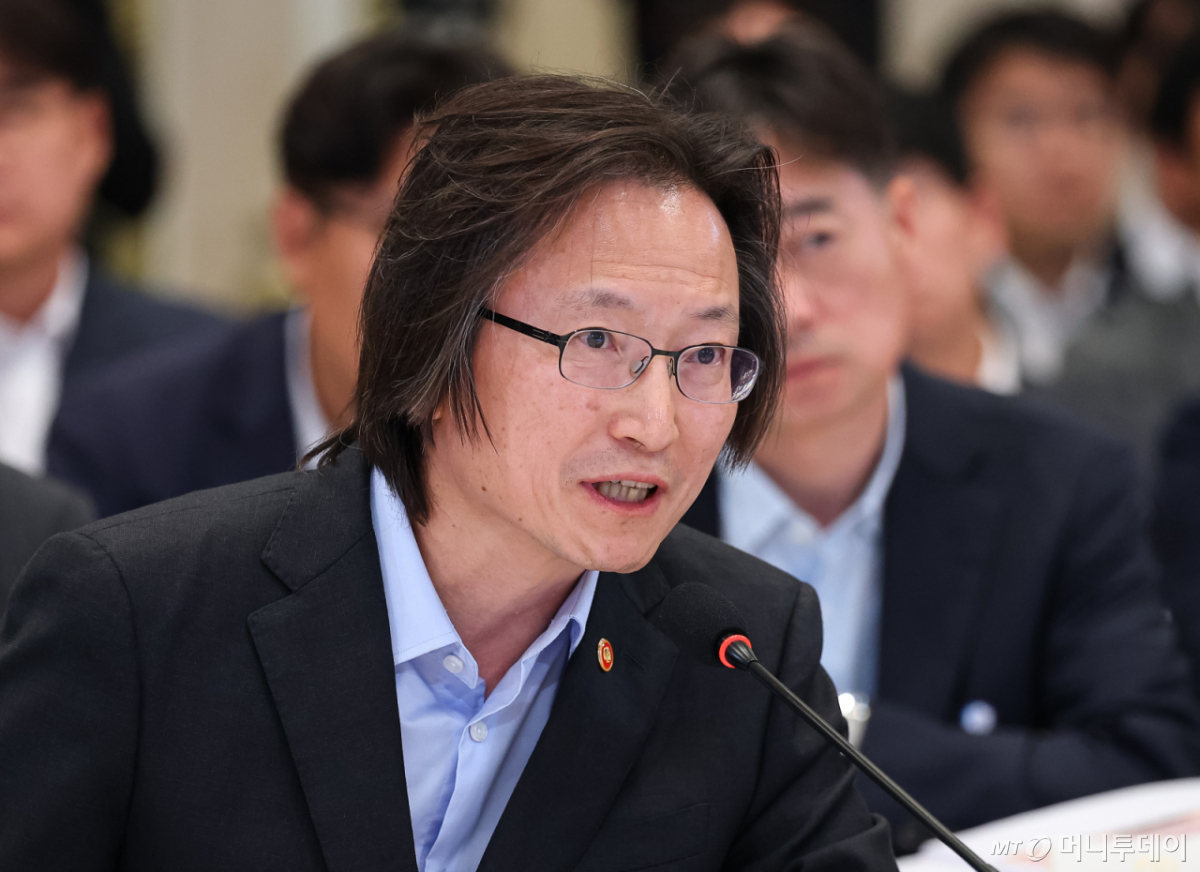
"How can the regulatory authorities do this to their regulated entities?"
This was said by a franchise industry official recently interviewed regarding the Fair Trade Commission. The Korea Fair Trade Commission began disclosing four previously non-disclosed items in franchise information disclosure statements starting July 23. These include specifications and types of essential items, franchise sales data, and lists of facilities and equipment. For food and beverage franchise brands, this covers trade secrets such as which raw materials from which regions are used and their unit prices. The official stated they learned about the revision only late through a local government official other than the Korea Fair Trade Commission.
Before institutionalizing regulatory changes, it is essential to seek and consult with stakeholders' opinions. This represents the minimum principle that must be upheld between regulators and regulated entities. However, this principle has been shaken not only regarding information disclosure statements. According to the revised Enforcement Decree of the Franchise Business Act announced on the 3rd last month, the registration requirement for franchise owner associations was lowered to 10%. Yet during a June meeting, the Korea Fair Trade Commission had presented a standard of 30% to the industry. The industry responds that it remains unclear what process led to the standard being changed to align with the franchise owners' demands.
The industry suspects this outcome results from the Korea Fair Trade Commission being trapped in the 'franchise headquarters as Gabeul (oppressor), franchise owners as Eul (victim)' framework. Some instances of abuse by oppressors should be punished strictly, yet regulations are rapidly expanding to target the entire industry. "What purpose did the previous meeting and opinion solicitation serve?" asked Na Myung-seok, President of the Franchise Industry Association, during a press conference on the 8th.
Data reveals how far this framework deviates from reality. Currently, the domestic franchise industry's scale amounts to 165 trillion won, employing 1.3 million people. Ninety-five percent of franchise headquarters are small and medium-sized businesses operating fewer than 100 stores. This raises the question of whether it is appropriate to treat abuses occurring in a few major brands as problems affecting all entities.
While the government calls K-food a future growth engine, squeezing its foundation—the franchise industry—cannot yield intact results. A meeting between the Korea Fair Trade Commission and the Franchise Industry Association is scheduled for the 11th. This time, regulatory authorities must finally listen attentively. The burden of regulations trapped in the Gabeul-Eul framework will ultimately be shared by franchise headquarters, owners, and the entire K-food industry.

 in OPINION
