

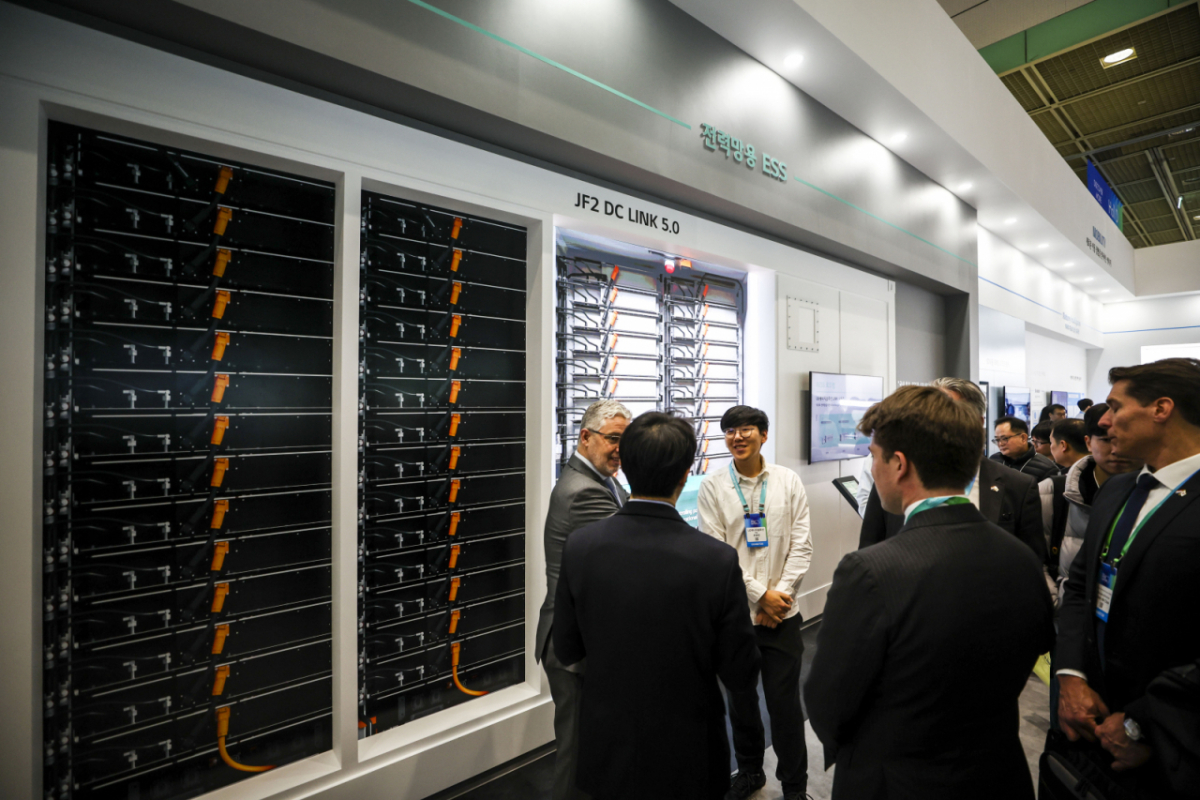
When the government initially pushed forward with what is commonly called the "Korean version of the Inflation Reduction Act (IRA)" — the domestic production tax credit — expectations within Korea’s battery industry were exceptionally high. Although recognized as a key future industry, the sector has struggled to secure profitability over the past three to four years due to factors such as slowing demand in the North American electric vehicle market. With discussions underway to provide subsidies proportional to production volume, similar to the U.S. model, the industry anticipated that this would relieve pressure on investments in production facilities.
However, once the details were revealed, the mood within the industry turned gloomy. Key demands from the battery sector, such as the "direct refund system," were omitted. Currently, the domestic production tax credit operates by reducing taxes owed, making it difficult for loss-making battery companies to benefit in practice. There are growing concerns that this support measure will end up being a "half-baked" solution — one that establishes a support framework yet fails to reach the very companies that desperately need assistance.
While short-term outlooks surrounding the battery industry remain divided, there appears to be no disagreement that the market will grow in the long term. The demand for batteries used in energy storage systems (ESS) is already surging due to the expansion of artificial intelligence (AI) data centers. Moreover, as the era of autonomous driving approaches, demand for electric vehicles is likely to accelerate sharply. This explains why major countries such as China and the United States have designated batteries as strategic industries and are rushing to provide support.
Within the battery industry, voices continue to emphasize that this is a "golden time" that will determine the sector's competitiveness. Before commercialization can occur, massive investments in research and development (R&D) and production facilities must be made first. Failure to invest at the right time could result in falling behind in technology and production capabilities, ultimately ceding market share to overseas competitors.
The government is not unaware of this situation. However, it remains cautious about introducing a direct refund system or disbursing subsidies. An industry representative expressed frustration, stating, "While urgent support measures at the government level — such as effective policies — are needed, even inter-ministerial consultations have not been smooth."
In the meantime, major domestic battery companies have been holding their ground by targeting the ESS market in North America, where supply chains are being decoupled from China. They are also actively exploring new demand sources such as batteries for urban air mobility (UAM) and robotics. Similarly, Korea's semiconductor industry — which currently underpins the national economy — managed to overcome its crisis in 2023 thanks to government support during a period of downturn. Now is the time for the government to examine the potential of the K-battery industry with a longer-term perspective.

 in OPINION
