

Samsung Electronics' Galaxy Z Fold8, built on seven years of foldable phone expertise, is enjoying immense popularity thanks to its golden ratio design. The passport-sized 4:3 aspect ratio has drawn praise for being "cute." It has now been confirmed that a form nearly identical to today's product was previewed in a video released by Samsung Electronics 13 years ago. At the time, technical limitations meant the device remained only an imagination in the video; it took 13 years for this concept to become a real smartphone.
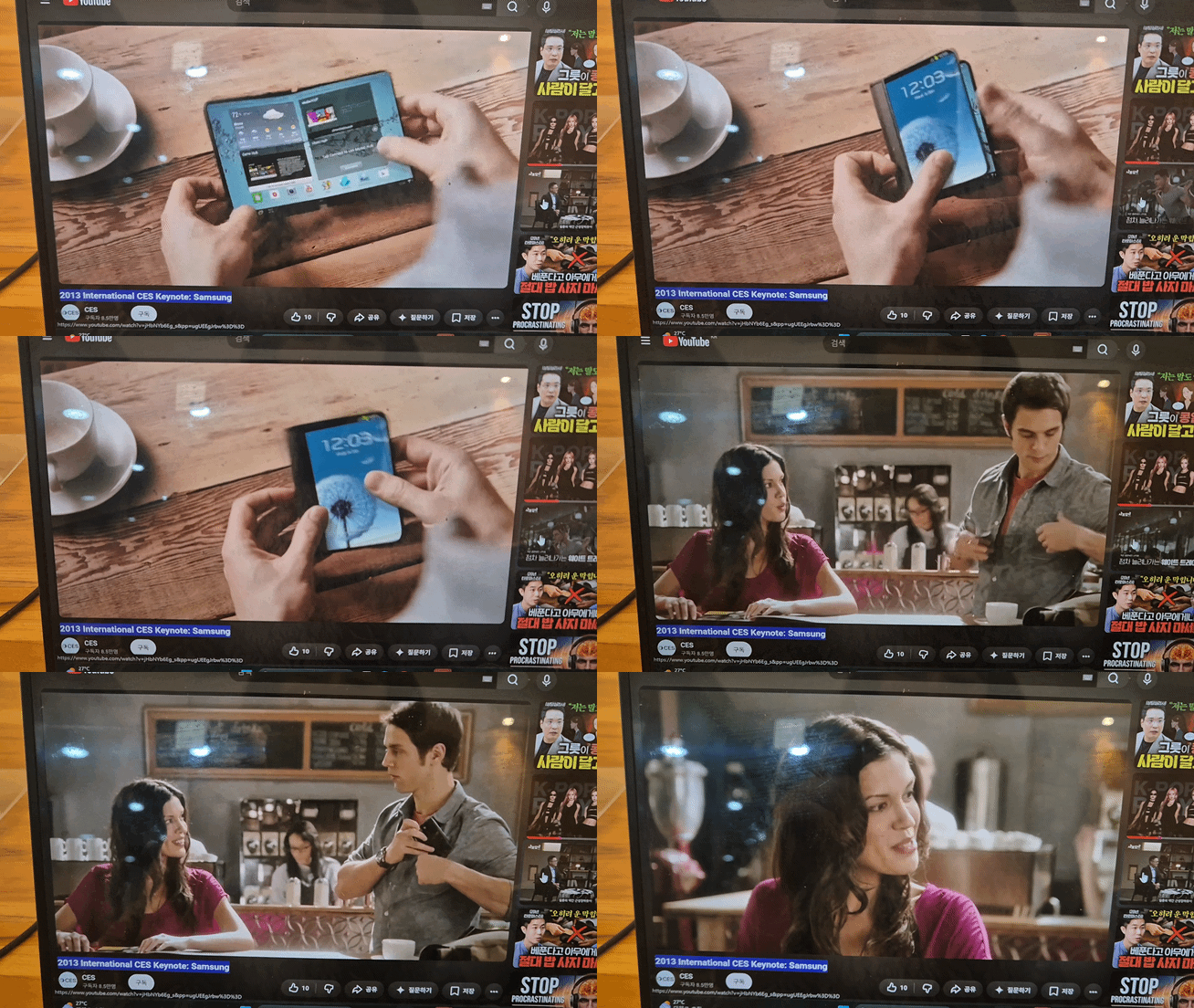
On the 21st, videos from CES—the world's largest consumer electronics and IT exhibition held previously in Las Vegas, USA—shared by Samsung Electronics went viral on social media (SNS) as "Z Fold8 spoilers."
In the YouTube CES channel video titled "2013 CES Keynote: Samsung," Woo Nam-seong (President) of Samsung Electronics' System LSI Business Unit presented a vision called "Realizing Possibilities," showcasing through video what kind of mobile phone could be created using flexible display technology. The video features a device that expands its screen when unfolded horizontally.
This design allows users to operate the device like a smartphone in daily use, then unfold it into a tablet-like form when needed. Notably, the 4th:3 aspect ratio upon unfolding and the compact size that fits perfectly into a pocket when folded closely mirror the Galaxy Z Fold8. Amid recent criticisms suggesting Apple or Huawei copied the Z Fold8's 4:3 screen ratio and horizontal foldable design, this video effectively proves Samsung as the original pioneer of the "passport phone."
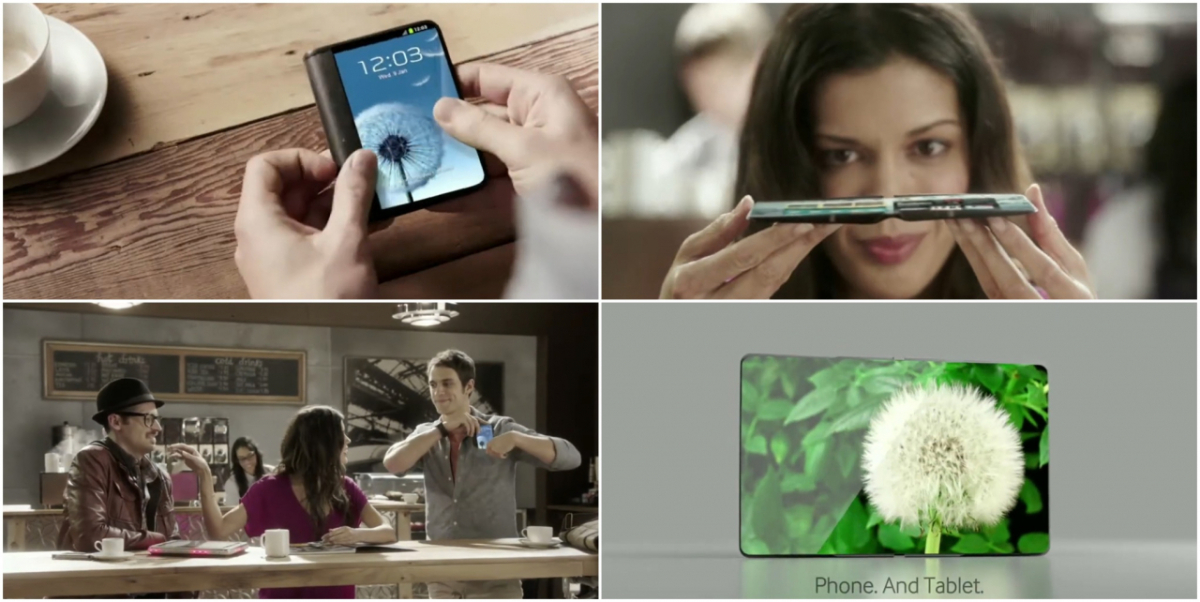
The 4:3 aspect ratio has long been used across various displays, including TVs and monitors. This confirms that Samsung Electronics anticipated strong consumer response to a smartphone with this familiar ratio and had been preparing for it over an extended period. Users can conveniently browse the web, work on documents, or watch videos within this familiar screen ratio when unfolding their smartphones.
The video also holds significance as it demonstrates how Samsung Electronics' vision from 13 years ago has finally materialized into a real product. At that time, foldable display technology had not yet advanced to commercialization. Consequently, Samsung presented the future smartphone through video rather than an actual device while continuing its foldable technology development. This culminated in the launch of the first Galaxy Fold in 2019, opening the foldable smartphone market.
Samsung Display also contributed to turning Samsung Electronics' imagination into reality. The display installed in the Z Fold8 incorporates "Flex Titanium" technology designed to improve the characteristic crease lines unique to foldable phones. By replacing plastic film with a "titanium alloy film" and combining it with an upgraded "titanium plate," the device features a proprietary dual-layer titanium structure that prevents deepening of wrinkles even after repeated folding and unfolding.
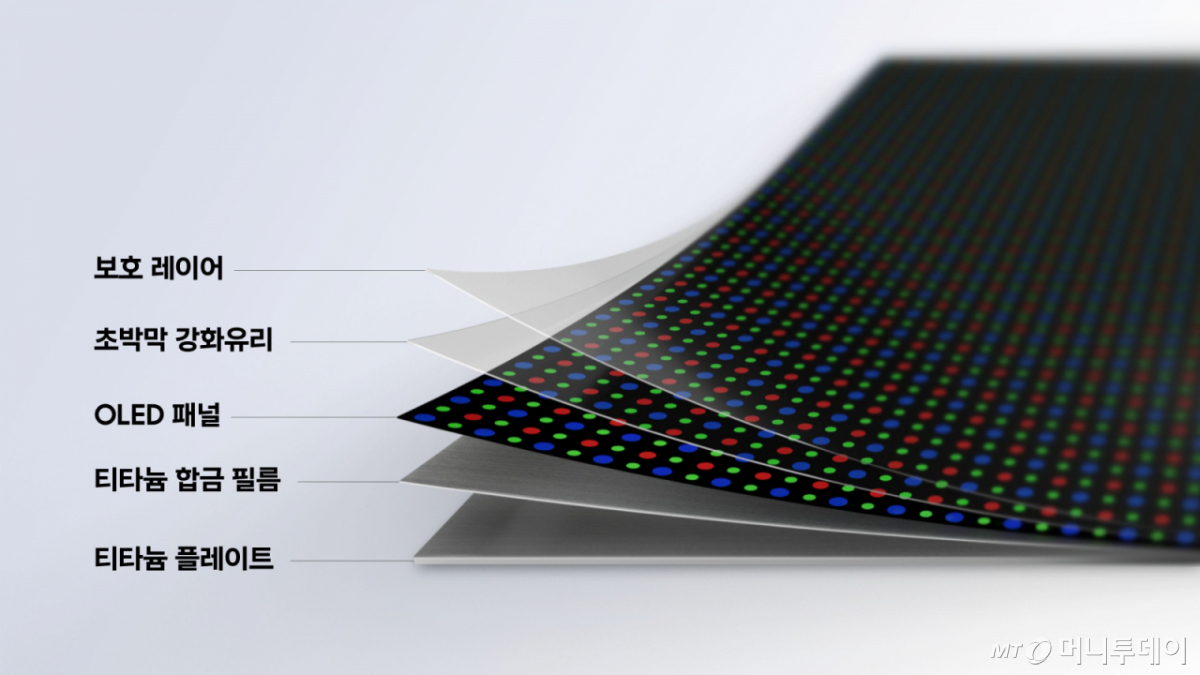
This technology was jointly developed by Samsung Electronics and Samsung Display. Although not identical, the foldable iPhone scheduled for release in September is also expected to utilize panels from Samsung Display. Previously, the Chinese Oppo Find N6, which gained popularity for its minimal crease lines, was also equipped with Samsung Display panels.
Meanwhile, the 13th-year-old CES video also introduced a rollable phone, raising expectations further. The rollable phone, which transforms into a mobile device when unrolled from a rolled state, is expected to become a decisive battleground for Samsung to surpass Chinese competitors in the foldable market and solidify its leadership. According to actual industry reports, Samsung Display is reportedly developing display panels for rollable phones with 2028 as the target year.
A Samsung Electronics representative stated, "The video that recently went viral as a Z Fold8 spoiler is indeed from CES 13 years ago."


 in TECH


