

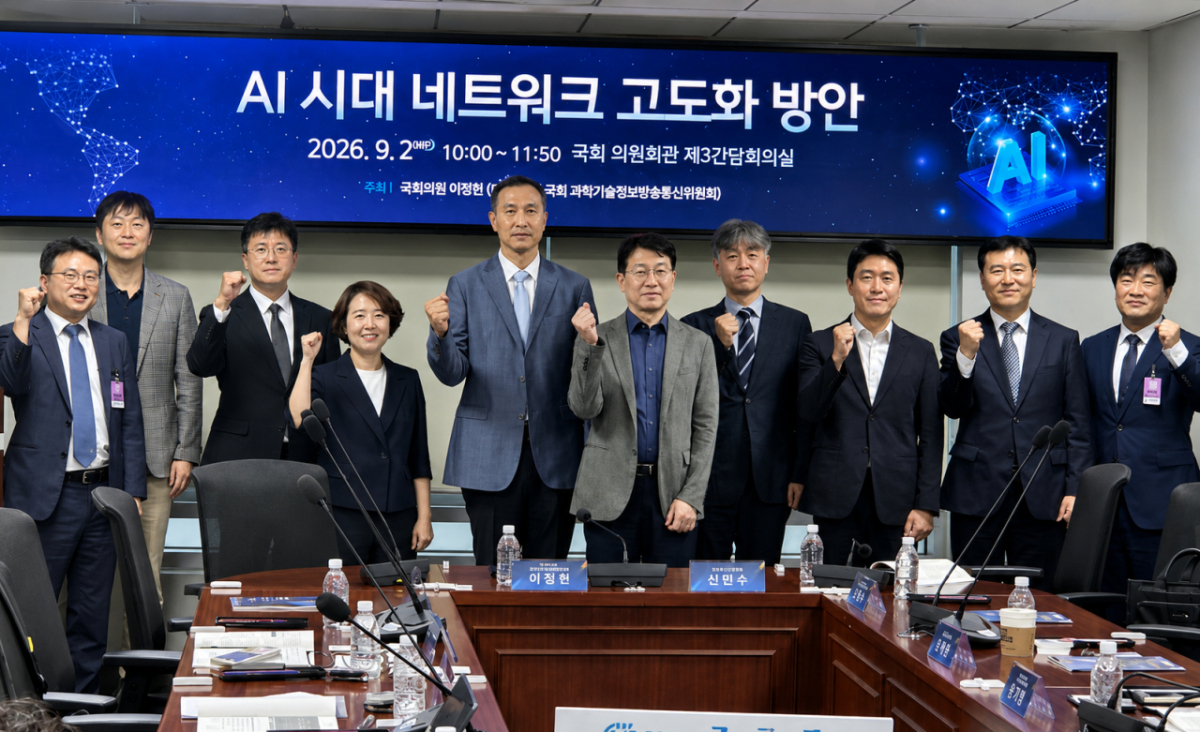
Experts suggested that to prepare for a surge in data traffic driven by the spread of artificial intelligence (AI), the telecom investment and regulatory framework must be revised, and the scope of support for AI data centers (AIDC) should be expanded. The key point is that investment should not only focus on securing GPUs (graphics processing units) and data centers but also extend to the networks connecting them.
These views were presented at the 'Policy Seminar on Advancing Network Infrastructure for the AI Era,' hosted by Representative Lee Jeong-heon's office of the Democratic Party of Korea, held on the 2nd at the National Assembly.
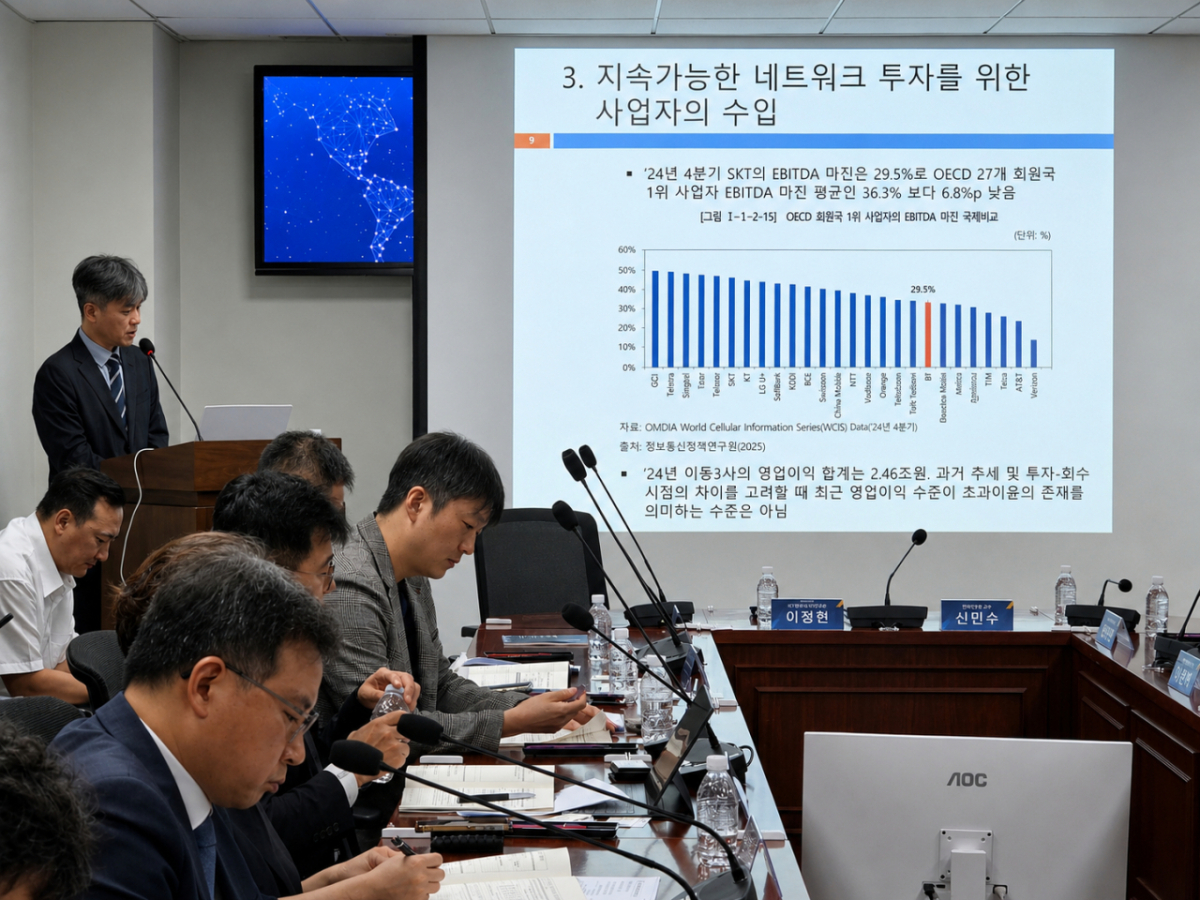
In his presentation titled 'Network Advancement Policy Tasks to Promote South Korea as One of the Top Three AI Nations,' Professor Lee Kyung-won stated, "In the AI era, machine-generated traffic will far exceed human-generated traffic." He added, "Looking ahead about five years, traffic could increase by at least two times and up to five times."
The professor explained that network neutrality does not mean all services must be provided with identical quality but rather that unreasonable discrimination should be avoided. He proposed shifting regulations toward a system that first validates differentiated services such as network slicing through pilot projects before conducting post-implementation verification. He also called for government support for investments in network advancement initiatives like AI-RAN (AI-based Radio Access Network) and relief from costs related to spectrum usage.
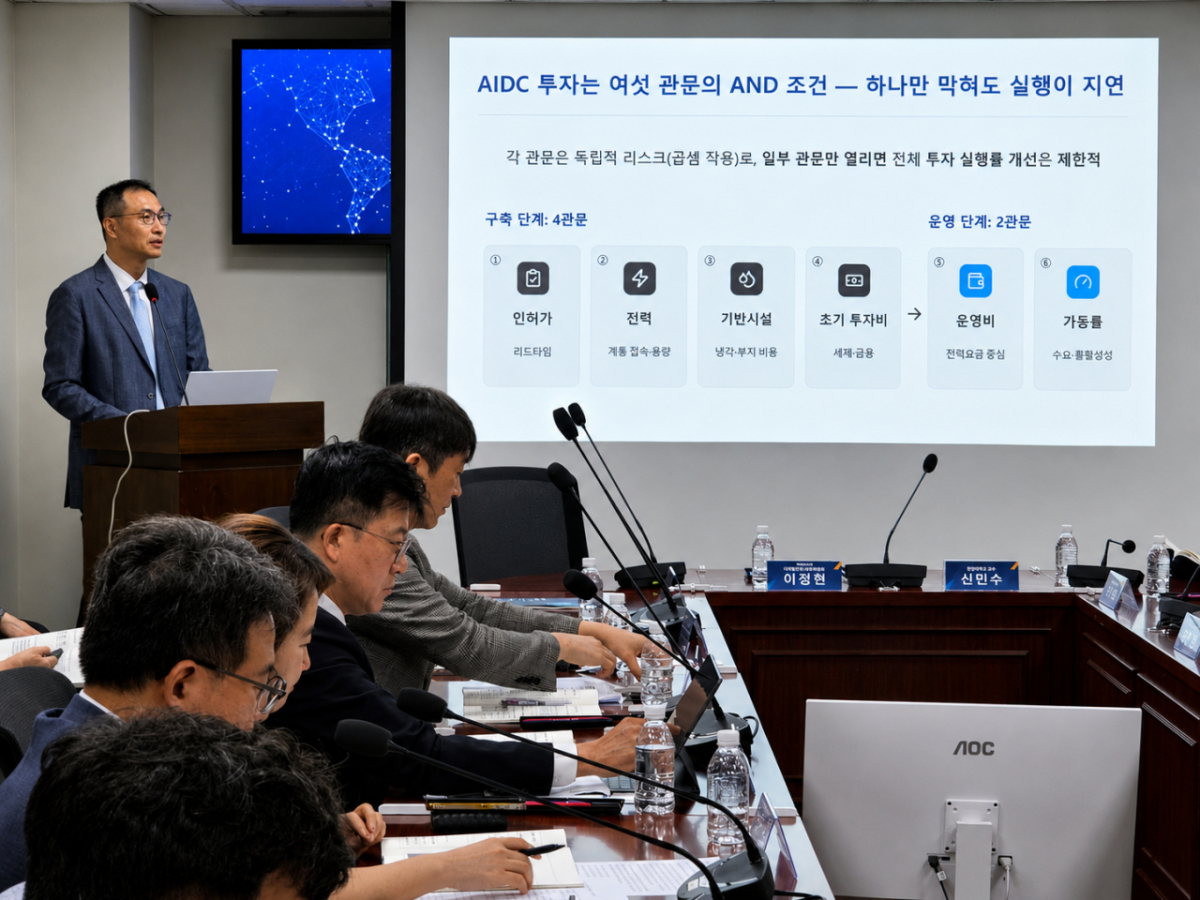
Speaking on the topic 'Implementation of the Special Act on AI Data Centers and Strategies for Industrial Activation,' Professor Mo Jeong-hoon emphasized that AIDC support systems must be designed in alignment with current industrial realities. He pointed out that over 90% of domestic data centers are open-type facilities providing space, power, and cooling to multiple clients, meaning support focused solely on private data centers does not match the actual industrial structure.
Professor Mo stressed, "It is not important which country's capital is involved; what matters is where the benefits are directed." He argued that support criteria should be based on how much computing resources are utilized for domestic physical AI and AI factories. He further noted that since electricity costs can account for 50% to 70% of AIDC operating expenses, support for infrastructure such as power, water, and site selection, along with a predictable permitting system, is essential.
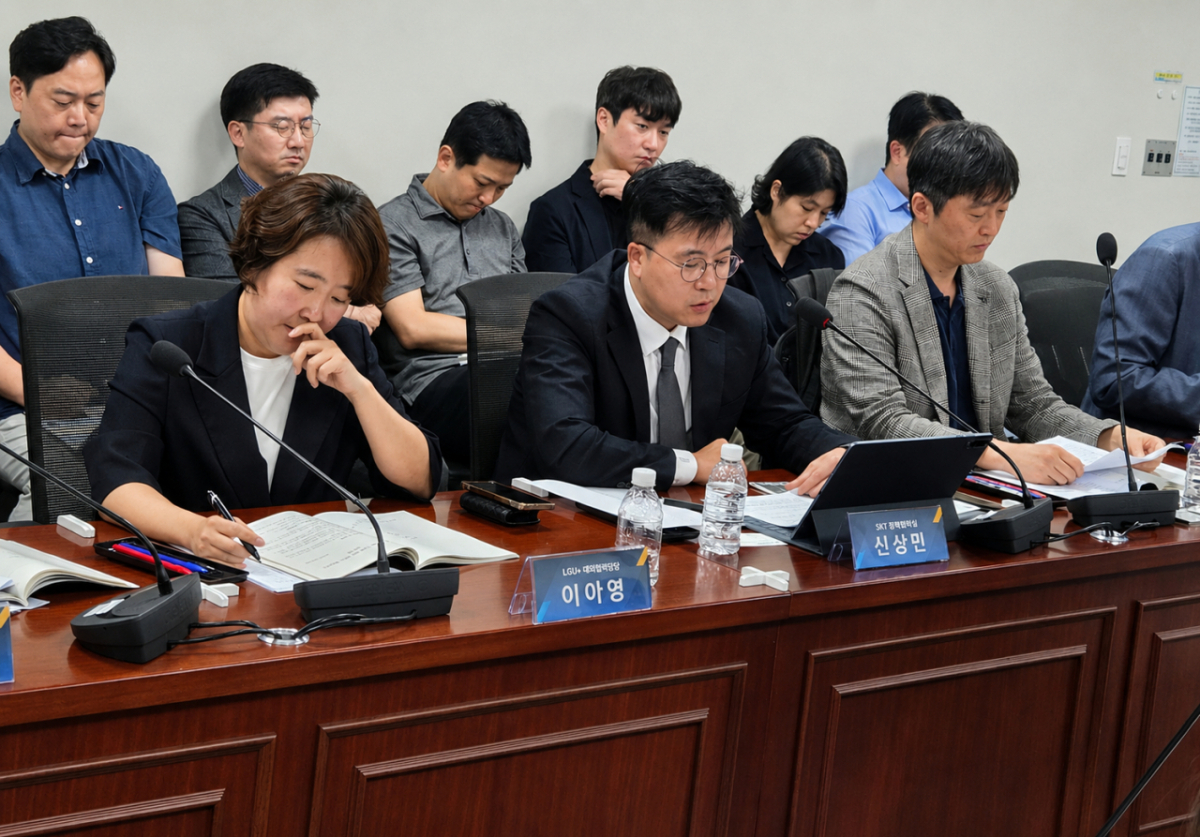
In a panel discussion moderated by Shin Min-su, a professor at Hanyang University Gyeong Yeong-hak-bu (Prof.), representatives from the three major telecom operators also called for improvements to regulatory and support frameworks. Shin Sang-min, Director at SK Telecom Jeong Chaek-gae-bal (Head), proposed investment support for AI-RAN, 5G Standalone (SA), and 6G, as well as transitioning existing networks like 3G and copper lines. Seo Eun-il, Head of KT's Telecommunications Policy Division, requested tax incentives for submarine cables and low-earth orbit satellites, along with expanded public demand. Lee Ah-young, Head of External Strategy at LG Uplus, separately called for investment incentives for network infrastructure and tax support for open-type AIDCs.
Hong Sa-chan, Chief of the Telecommunications Policy Planning Division at the Ministry of Science and ICT, stated, "We are reviewing network slicing from regulatory and network neutrality perspectives, and concrete discussion outcomes are expected." He added, "The phase-out of 3G is not merely about ending a service but is an inevitable step to advance investments in 5G and 6G."
Jang Gi-cheol, Chief of the AI Data Promotion Division at the Ministry of Science and ICT, said, "We strongly agree with the open-type AIDC approach and plan to include it in the enforcement decree." He further noted, "We are preparing to ensure that the Special Act's definition covers not only private data centers but also open-type AIDCs."

 in TECH


