

It has been revealed that seven out of 10 K-content viewers wish to visit Korea. Analysts suggest that the popularity of K-content is expanding into interest in Korean culture, including the Korean language, food, and tourism.
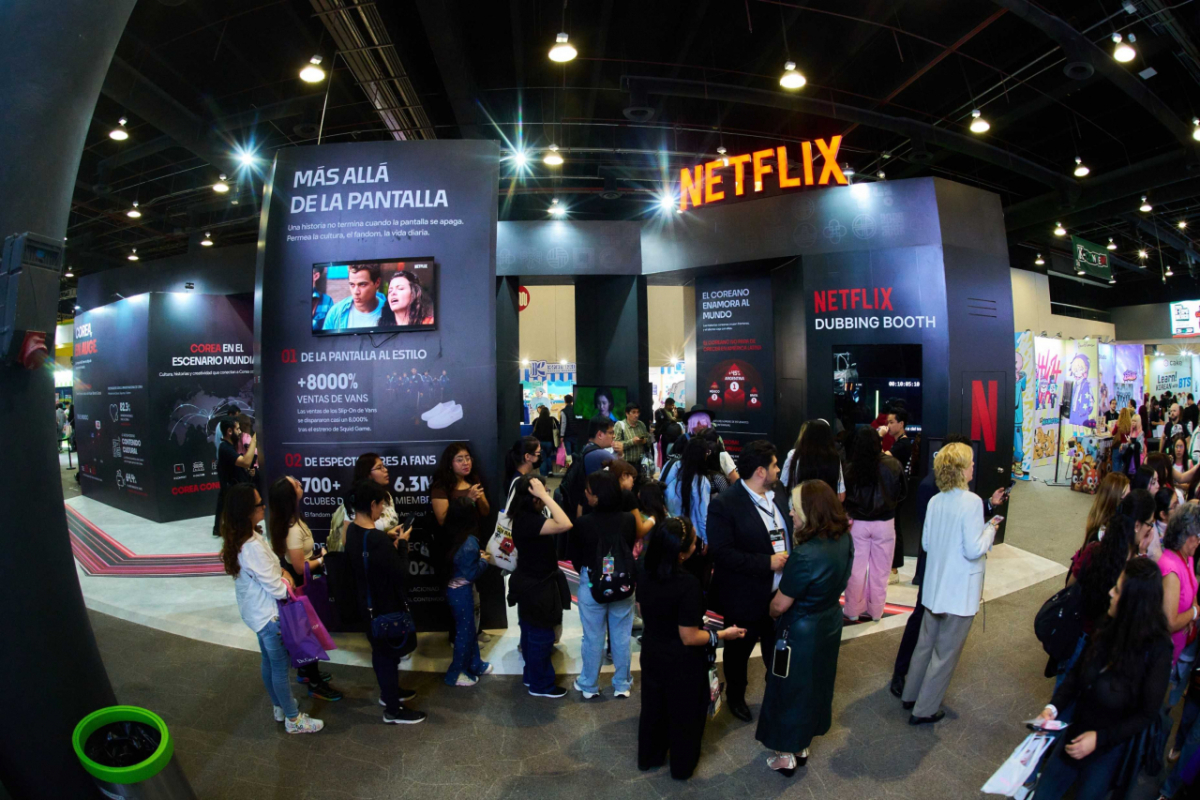
Netflix announced on the 6th that it participated in the '2026 K-Expo Mexico,' held at the WTC in Mexico City from the 24th to the 27th of last month, introducing this phenomenon as the 'Netflix Effect.'
According to a survey commissioned by Netflix from independent research institution 2CV, targeting over 11,500 people across eight countries, 72% of K-content viewers responded that they want to visit Korea. The company explained that interest in content is leading to interest in actual experiences, such as learning the Korean language, consuming food and fashion, and traveling to Korea.
Netflix structured its exhibition space at the event around three themes: the spread of language, culture changing daily life, and a newly discovered Korea. Visitors experienced direct dubbing of scenes from Netflix works and cases where food, fashion, and filming locations from K-content led to actual consumption and travel.
In particular, Netflix emphasized the importance of 'localization' in the global spread of Korean content. During the event, it held a seminar on the theme 'From Seoul to Latin America: The Power of Localization That Made K-Content a Cultural Phenomenon in Latin America,' introducing how Korean content is delivered to overseas viewers through subtitles, dubbing, audio description, and subtitles for the hearing impaired.
The key lies in translating while preserving the unique forms of address, relationships, humor, speech patterns, and subtle emotional nuances specific to the Korean language, so that local viewers can accept them naturally. In particular, in Latin American countries such as Mexico and Brazil, there is a strong preference for dubbing over subtitles, making dubbing a major channel for the spread of K-content.
According to Netflix, dubbing accounts for more than 40% of total global viewing of Korean original variety shows. Netflix views dubbing not as simple translation but as 'Second Production,' focusing on conveying the emotions and creative intent of the original work in a way that suits local languages and cultures.
This event was the final K-Expo event this year, conducted by Netflix together with the Ministry of Culture, Sports and Tourism and the Korea Creative Content Agency. In May, Netflix introduced Korean emerging creators and their impact on the creative ecosystem in Los Angeles, USA, and in June, it highlighted the effects of K-content spreading across various industries such as tourism, consumer goods, and beauty in Paris, France.
A representative from Netflix Korea said, "Viewers who have seen stories about Korea are learning Korean, experiencing the food and culture depicted in the works, and considering Korea as their next travel destination." The representative added, "Localization is a bridge that connects Korean stories to viewers in different languages and cultural regions while preserving the emotions and creative intent of the original work."

 in TECH
