

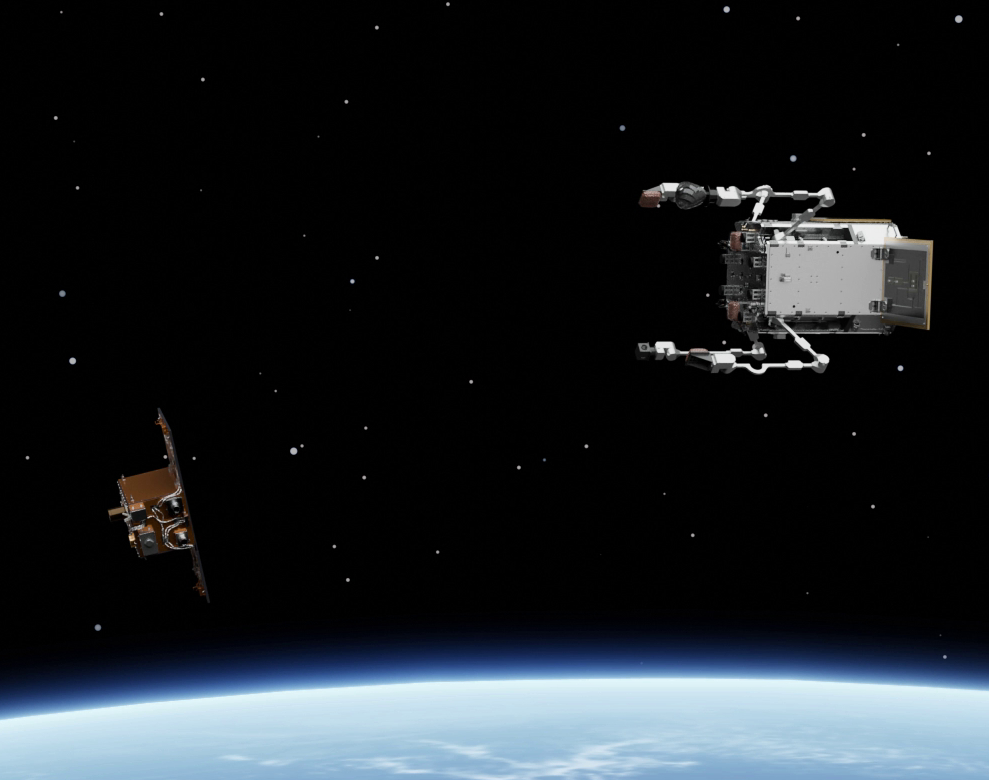
South Korea will make the world's first direct attempt to capture space debris in 2027.
The Korea Aerospace Administration announced on the 26th that it held a System Integration Readiness Review for the Active Debris Removal Satellite (ADR-SAT) at the KAIST (Korea Advanced Institute of Science and Technology) Institute of Space Research in Yuseong-gu, Daejeon.
The System Integration Readiness Review is a stage to verify whether the development plans and equipment for components, parts, and subsystems are appropriately prepared.
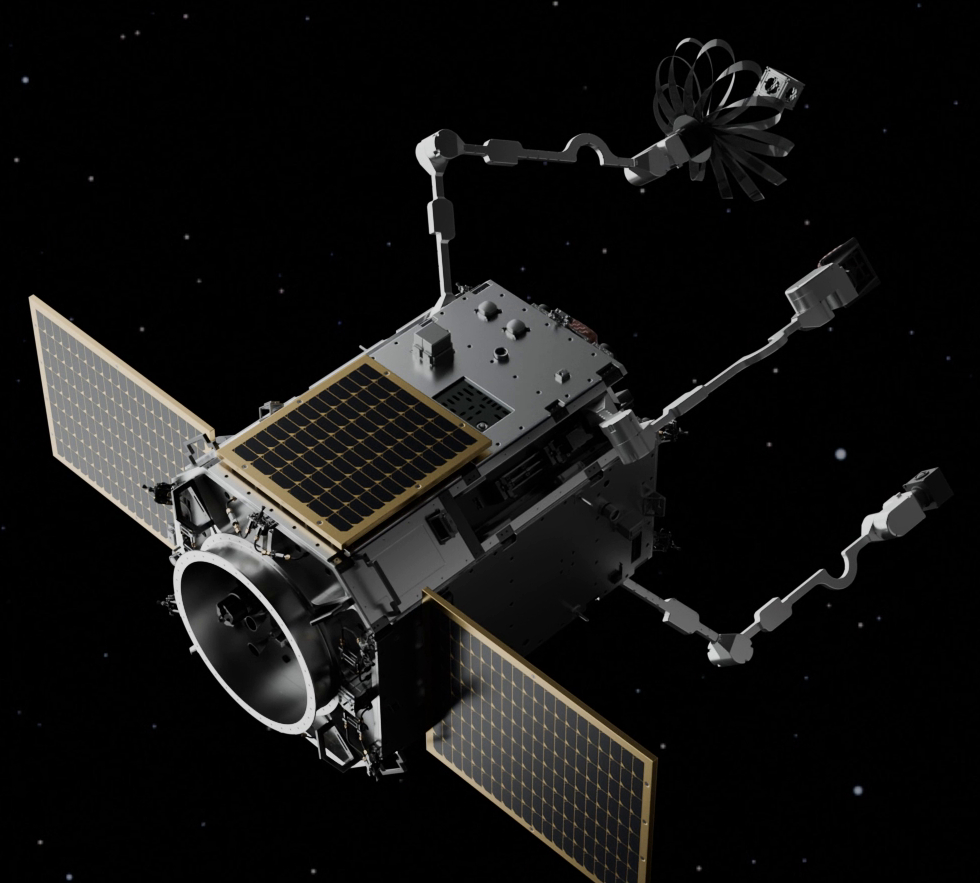
The active debris removal satellite will perform the mission of tracking and capturing end-of-life satellites left in orbit, then deorbiting them into the atmosphere where they burn up due to frictional heat. As a satellite that directly removes space debris, it is considered a high-difficulty technology because it involves directly capturing objects flying through space at very high speeds.
External experts from industry, academia, and research institutions reviewed the preparation status on the day and determined that the readiness of the active debris removal satellite system meets the success criteria according to the 'Korean System Engineering Handbook.'
Accordingly, the KAIST Institute of Space Research will begin assembling the Flight Model (FM) in November. The satellite is planned to be carried by the Nuri rocket No. 6, scheduled for launch in 2027, and will perform space debris removal missions after reaching orbit.
Oh Tae-seok (Commissioner) stated, "Active debris removal satellite technology is a high-difficulty satellite technology that South Korea is challenging as the world's first," adding, "We will secure core technologies to remove space debris threatening the safety of our satellites through our own technological capabilities, thereby strengthening the Republic of Korea's capacity to respond to space risks."

 in TECH

