

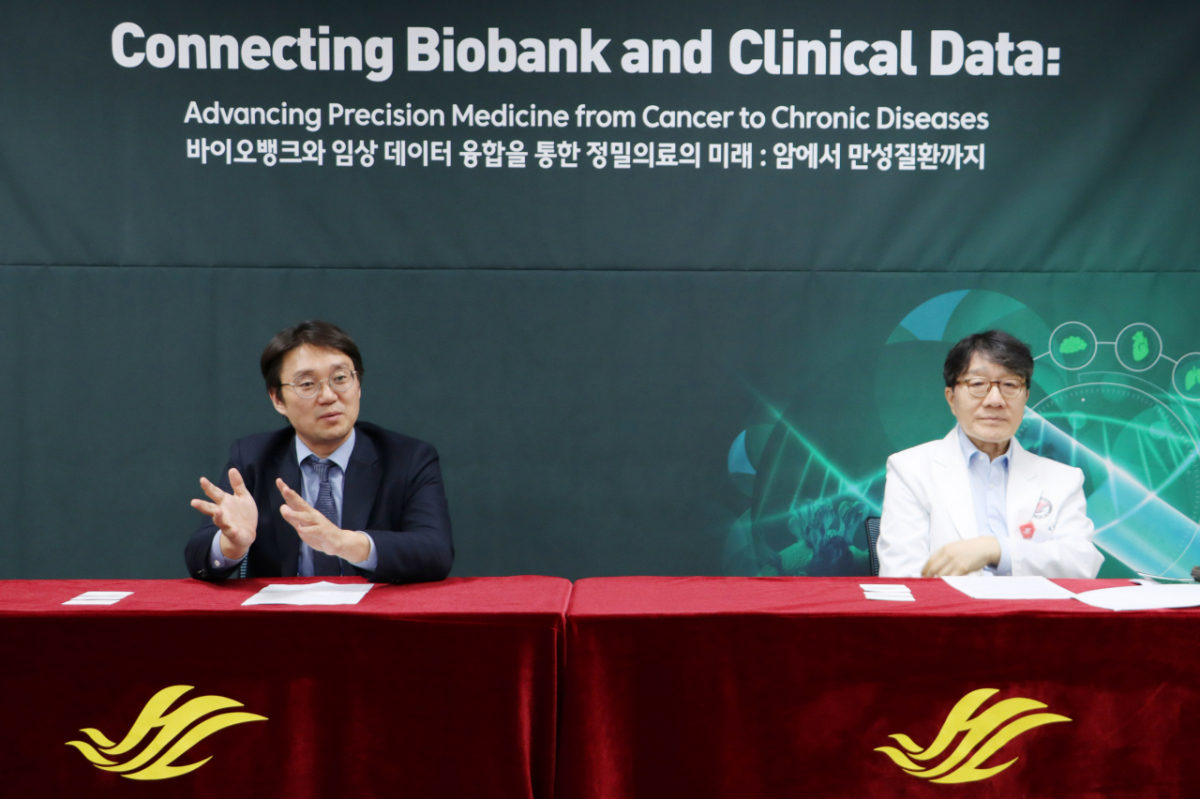
Since Alexander Fleming discovered penicillin in 1928, antibiotics (drugs that kill bacteria) have made innovative contributions to the treatment of infectious diseases for humanity. However, as bacteria that resist and grow stronger against antibiotics (resistant bacteria) increase, the World Health Organization (WHO) has designated antimicrobial resistance as a global health threat. Amid this backdrop, attention is being drawn to South Korea and Sweden developing a special "weapon" to subdue antibiotic-resistant bacteria.
According to Hallym University Medical Center on the 28th, the Hallym International Antimicrobial Resistance Center under the medical center and researchers from Uppsala University in Sweden are conducting joint research to find the most effective antibiotic combination for bacterial strains isolated from infectious disease patients.
The core of this effort is "CombiANT," a diagnostic technology that identifies the optimal antibiotic combination for each individual. In simple terms, it is an "antibiotic golden recipe" that finds and mixes the type of antibiotic and the perfect ratio best suited to the patient.
Kim Yong-gyun, director of the Hallym International Antimicrobial Resistance Center (Professor in the Department of Infectious Diseases at Hallym University Chuncheon Sacred Heart Hospital), told MoneyToday, "Including South Korea, antibiotic-resistant bacteria are increasing globally, leading to a rise in patients who cannot be treated with existing antibiotic prescriptions alone."
He explained, "While there are recommendations on which antibiotics to use for infectious disease patients, there are quite a few cases where antibiotics have no effect at all depending on the specific type of bacterial strain, whether the bacteria are resistant, and the patient's physical condition."

In response, the joint research team is conducting studies to verify which antibiotic combination works most effectively for a specific patient using a screening kit, aiming to enhance treatment efficacy and reduce unnecessary drug use and side effects.
Professor Kim Yang-su of the Department of Infectious Diseases at Hallym University Sacred Heart Hospital stated, "The 'CombiANT' research is currently 80% complete." He added, "Once this diagnostic technology is completed, we expect it will be able to kill even methicillin-resistant Staphylococcus aureus (MRSA), a notorious bacterium known for its resistance to antibiotics, often referred to as a 'superbug.'"
This joint research was officially launched after being selected for "Eurostars," an international collaborative research support program by the European Union (EU).
The research, which began in August last year, will continue until July 2028. Director Kim Yong-gyun explained, "'CombiANT,' the core technology of this joint research, is a diagnostic technology that analyzes interactions occurring when two or more antibiotics are used together to find effective combinations for each bacterial strain."
The research team plans to verify responses to various antibiotic combinations using bacterial strains isolated from patients to secure evidence that can be applied in actual treatment. Their goal is to identify within 24 hours which antibiotic combination—such as A+B, A+C, or A+D+E—yields the best bactericidal effect when bacteria isolated from infected patients are placed in the CombiANT kit.
This research incorporates Uppsala University's developed technology for predicting combined effects and Hallym University's accumulated data linking over 3,000 patient-strain pairs.
The goal is to leverage Sweden's strengths in antibiotic management systems and research technology, along with South Korea's rich clinical data and resistant bacterial strains, to secure technology that can be utilized in actual patient treatment.
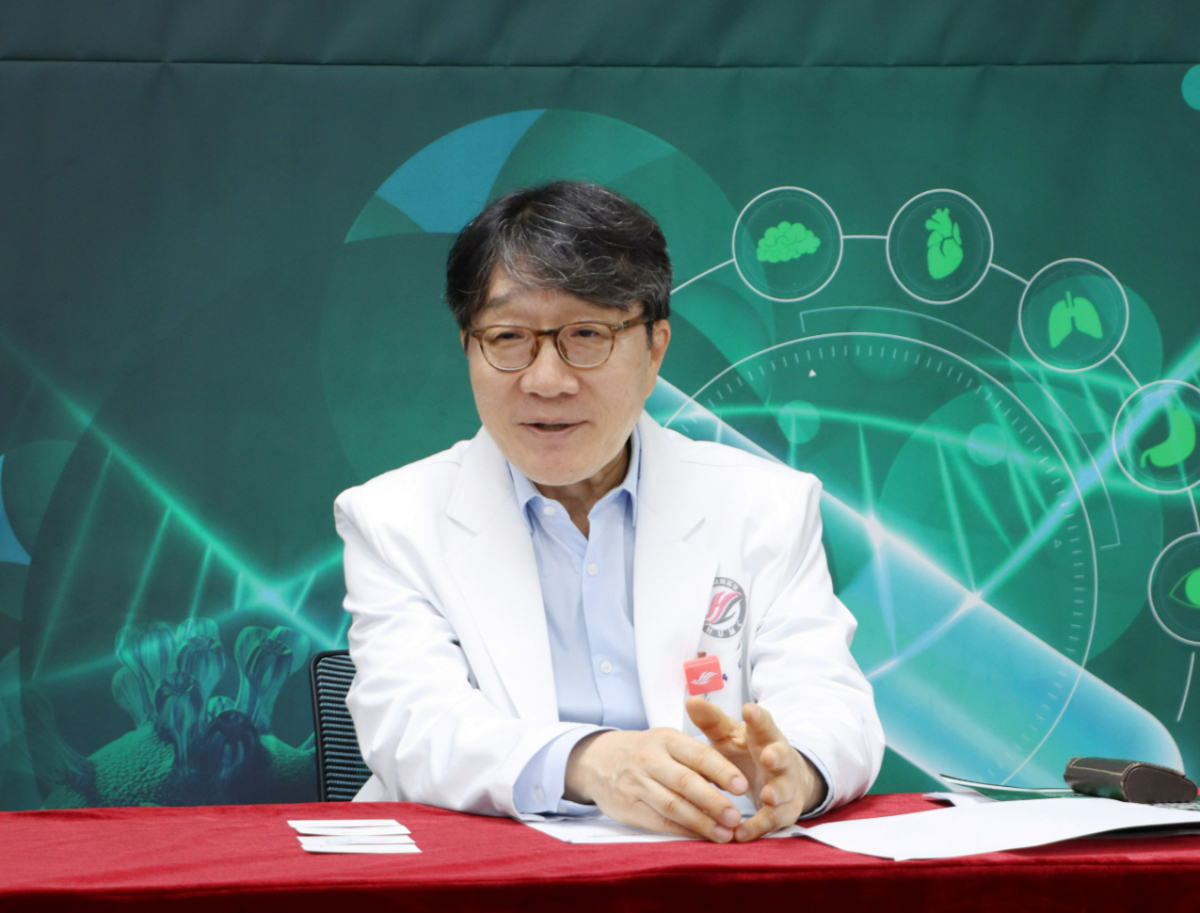
Professor Kim Yang-su of the Department of Infectious Diseases at Hallym University Sacred Heart Hospital noted, "For CombiANT to be utilized in actual clinical settings, it is necessary not only to verify the performance of the testing technology but also to validate its impact on patient treatment outcomes."
The research team plans to promote prospective clinical trials based on retrospective studies (a method of analyzing existing patient data and test results to examine the correlation between specific factors and treatment outcomes) and commercialize the technology by 2030 at the earliest, after going through relevant licensing procedures.
Prospective clinical trials are a process of newly collecting patient data and test results according to the research plan to confirm the safety and efficacy of the technology.
The research team plans to verify whether CombiANT helps in antibiotic selection and improves treatment outcomes in actual clinical practice. In the future, they aim to establish a precision infection treatment system that identifies pathogens and resistance risks and formulates appropriate treatment strategies for patients.
Kim added, "The ultimate goal of research conducted by physicians is not to remain confined to academic papers but to be applied in actual patient treatment settings." He stated, "We want to complete prospective clinical validation and technical improvements by 2030 and commercialize CombiANT to contribute to reducing antibiotic misuse and saving the lives of patients with severe infections."

 in THEBIO


