

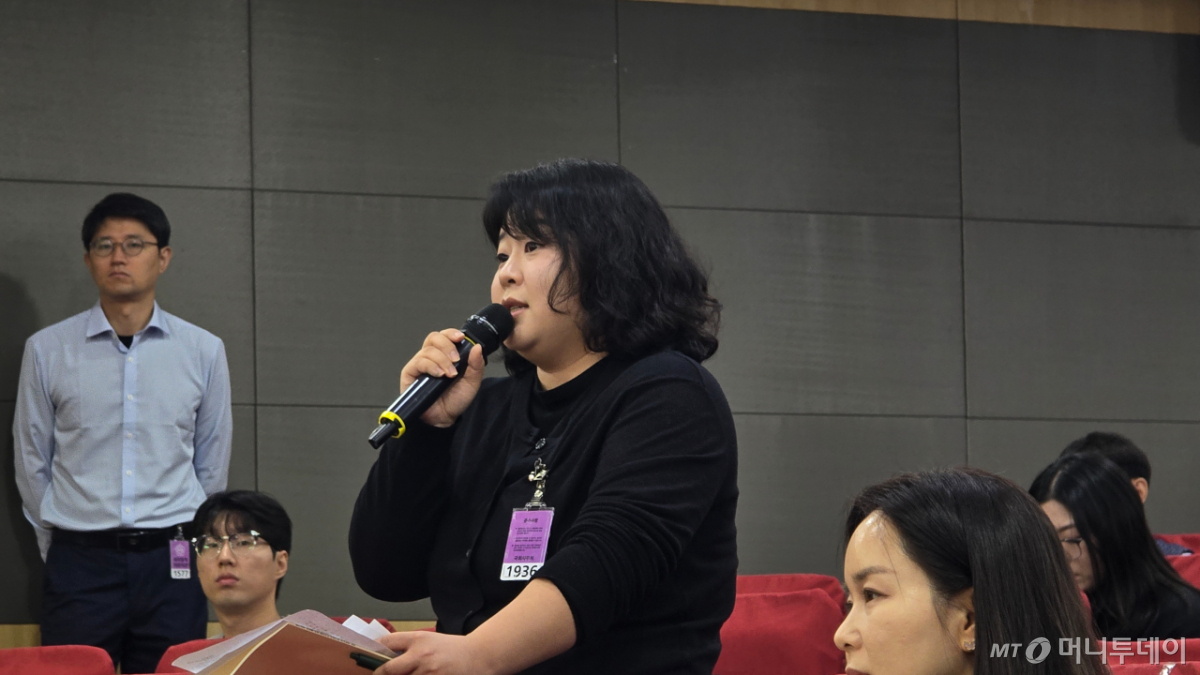
"I would normally rush to a patient's side without hesitation, but for the first time, I found myself wondering, 'Do I really have to go in, too?'"
Young doctors are becoming increasingly reluctant to pursue essential medical specialties following a police raid on the pediatric emergency department at Ajou University Hospital.
Kim Seo-yeon, an adviser to the Next Generation Pediatricians' Association (NGP), an organization of pediatric residents and fellows, made the remarks at a forum on measures for reasonable investigations of medical institutions held at the National Assembly in Yeouido, Seoul, on Tuesday.
"Recently, a hospital-wide announcement called for pediatric CPR in the early hours of the morning. We did everything we could to save the child, but ultimately failed," said Kim, who works in the pediatrics department at Asan Medical Center in Seoul.
"While explaining the situation, I saw the child's guardian looking at my name tag, and I actually felt afraid," she said.
Kim said, "Even though it is a scene where I would normally rush in without fear as soon as the broadcast comes on, for the first time I found myself thinking, 'Do I even have to go?'"
She revealed, "As we finished our procedures and left, I exchanged words with the residents who had been there with me about whether a lawsuit might come later."
She pointed out that the fundamental cause of such situations lies in "not acknowledging the uncertainty of medical acts and attributing the outcome to the responsibility of the medical staff."
Regarding the essential medical investigation guidelines being prepared by the Ministry of Health and Welfare and the National Police Agency, she said, "The words of senior physicians who have studied and trained for at least 20 years are not even reflected, and we are in a situation where we cannot directly participate in the guideline discussion process."
She added, "I believe we must receive a promise of direct participation from medical professional organizations, such as the Korean Society of Emergency Medicine or the Pediatric Emergency Medicine Society, regarding the preparation of the guidelines."
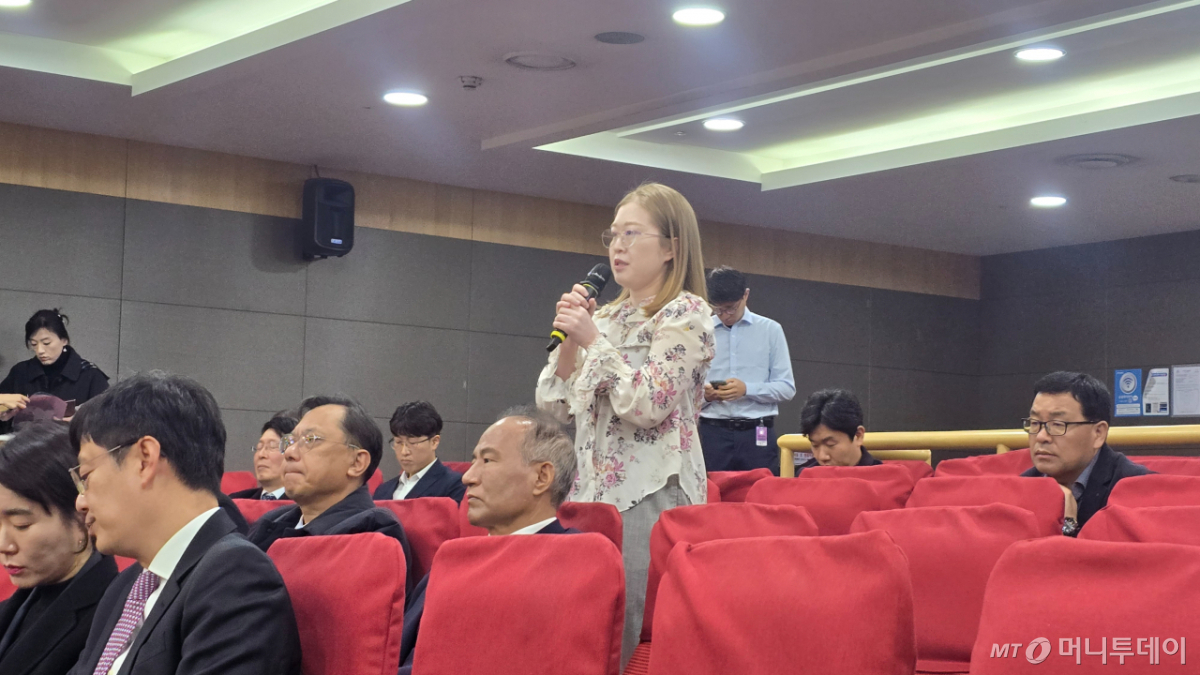
Choi Yoon-young, Policy Research Chair and General Secretary of NGP and a dedicated physician at the National Cancer Center's Pediatric Oncology Center, said, "The more investigations and lawsuits are repeated, the more young pediatricians will try to avoid doing this work." She stated, "The day when not a single doctor remains who wants to practice pediatrics is not far off."
She continued, "I cannot stop thinking about whether I might end up going to an institutional investor due to my current work."
Speaking from the perspective of someone considering a subspecialty, she said, "Previously, I had a desire to see critically ill children in areas such as pediatric emergency care and hematology-oncology, but after this search and seizure, it was a devastating thought that I would keep being dragged around by law enforcement authorities. I am doubtful about how long I can continue this work."
Currently, the medical community is demanding the participation of physician organizations, such as the Korean Society of Pediatric Emergency Medicine, in the stage where the Ministry of Health and Welfare and the National Police Agency are discussing essential medical investigation guidelines.
However, forming a consultation body that includes the medical community remains distant. Song Young-jin, Director of the Emergency Medical Division at the Ministry of Health and Welfare, said, "There has been no specific progress in discussions about forming a consultation body that includes the medical community."
Meanwhile, at the symposium on the day, the medical community demanded comprehensive improvements to the medical investigation system by calling for △the establishment of an independent medical accident investigation body, △prioritizing document and written investigations and voluntary submissions, and △principled restrictions on search and seizures at essential medical sites.
Kim Do-kyun, Chair of the National Council of Pediatric Specialty Emergency Medical Centers and a professor in the Department of Emergency Medicine at Seoul National University Hospital, emphasized, "It is necessary to have a process where, after receiving complaints or reports against medical personnel, the actual charges, criminality, and severity of the case are reviewed in advance, and unnecessary or inappropriate cases are terminated early after basic fact-checking."
He added, "Investigation practices that turn emergency rooms into crime scenes based solely on 112 reports must be improved."

 in THEBIO

