

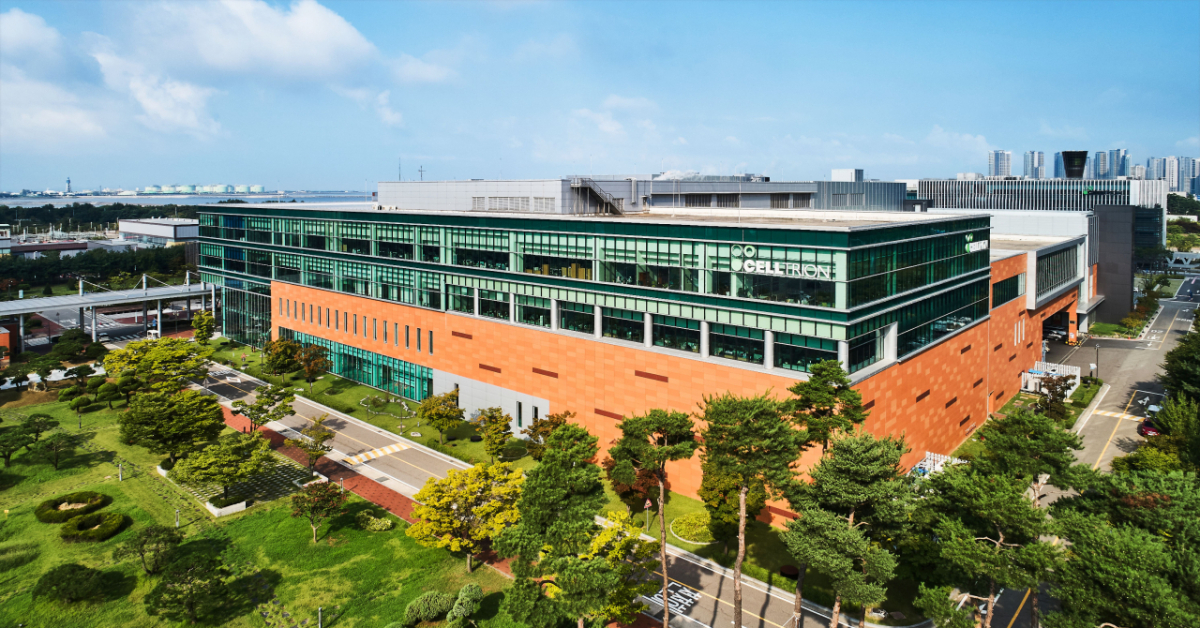
Celltrion is targeting the Asian market by leveraging its direct sales competitiveness and brand value. The company’s strategy is to strengthen its growth foundation by launching high-margin follow-on products, based on its high market share in autoimmune disease and oncology products.
Celltrion said Thursday that it is implementing a direct sales strategy optimized for each country’s bidding environment and medical institution demand, centered on local subsidiaries in key Asian countries such as Malaysia, Singapore, and Thailand.
According to pharmaceutical market research firm IQVIA, the autoimmune disease product line “Remsima” (generic name: infliximab) (IV/SC) recorded the top prescription share with a 95% market share in Singapore, 83% in Hong Kong, and 75% in Malaysia in the second quarter of this year.
The breast cancer and gastric cancer treatment “Herzuma” (generic name: trastuzumab) maintained its leading position with a 67% market share in Hong Kong, 59% in Thailand, and 52% in Malaysia. In particular, in Thailand, it recorded a 59% market share, up 17 percentage points from the previous quarter, further widening the gap with competing products.
The blood cancer treatment “Truxima” (generic name: rituximab) also strengthened its prescription advantage in each market with a 92% market share in Singapore, 78% in Thailand, and 41% in Hong Kong.
The metastatic colorectal cancer and breast cancer treatment “Vegzelma” (generic name: bevacizumab) is showing rapid growth in Malaysia. Vegzelma, which ranked fourth in the local bevacizumab market share in the fourth quarter of last year, rose to first place in the first quarter of this year and maintained its leading position with a 25% market share in the second quarter as well.
In the bidding-centric Asian market, Celltrion has continued to achieve order results by leveraging its product competitiveness and stable supply capabilities, while building trust by responding swiftly to medical institutions’ requirements.
Through collaboration with key local medical institutions and participation in academic conferences, the company is expanding contact points with healthcare professionals and actively introducing the clinical value and strengths of its products.
Celltrion plans to promote the early market establishment of high-margin new products by utilizing its accumulated sales experience and medical institution network, and will continue its growth trend in the Asian region based on portfolio expansion.
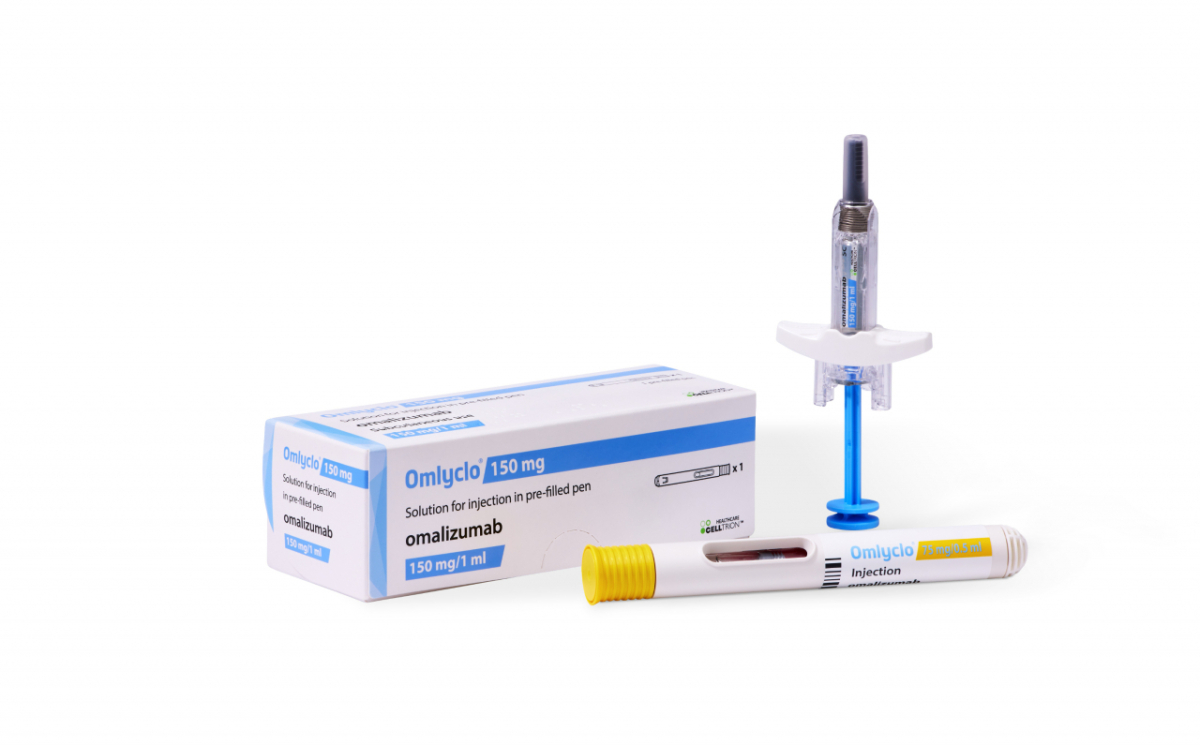
In key Asian countries such as Singapore and Malaysia, Celltrion has been accelerating the expansion of its sales regions by successively introducing the allergy disease treatment “Omrilok” (generic name: omalizumab) and the autoimmune disease treatment “Stecima” (generic name: ustekinumab) since late last year.
In addition, the company plans to intensify follow-on product launches, including introducing “Vegzelma” in Hong Kong at the end of this month, “Stovoklo” (generic name: denosumab) in Thailand in December, and the ophthalmic disease treatment “Idengelt” (generic name: aflibercept) and Omrilok in Singapore and Thailand, respectively, in February next year.
A Celltrion official said, “Key product lines, including Remsima, continue to achieve overwhelming market share results in Asia, solidly maintaining our market position.”
The official added, “We plan to promote the early market establishment of high-margin follow-on product lines by leveraging the direct sales capabilities of local subsidiaries and the value of the Celltrion brand. Through this, we will focus our local business capabilities to ensure that performance growth continues in the Asian region.”

 in THEBIO

