

The first joint recommendation from labor, management, and government has been issued, mandating that workers who work periodically between midnight and 4 a.m. be guaranteed additional rest or short sleep breaks (naps) beyond statutory break times. It also recommended managing the number of consecutive night shifts at an appropriate level, referencing guidelines for night duty in nursing staff.
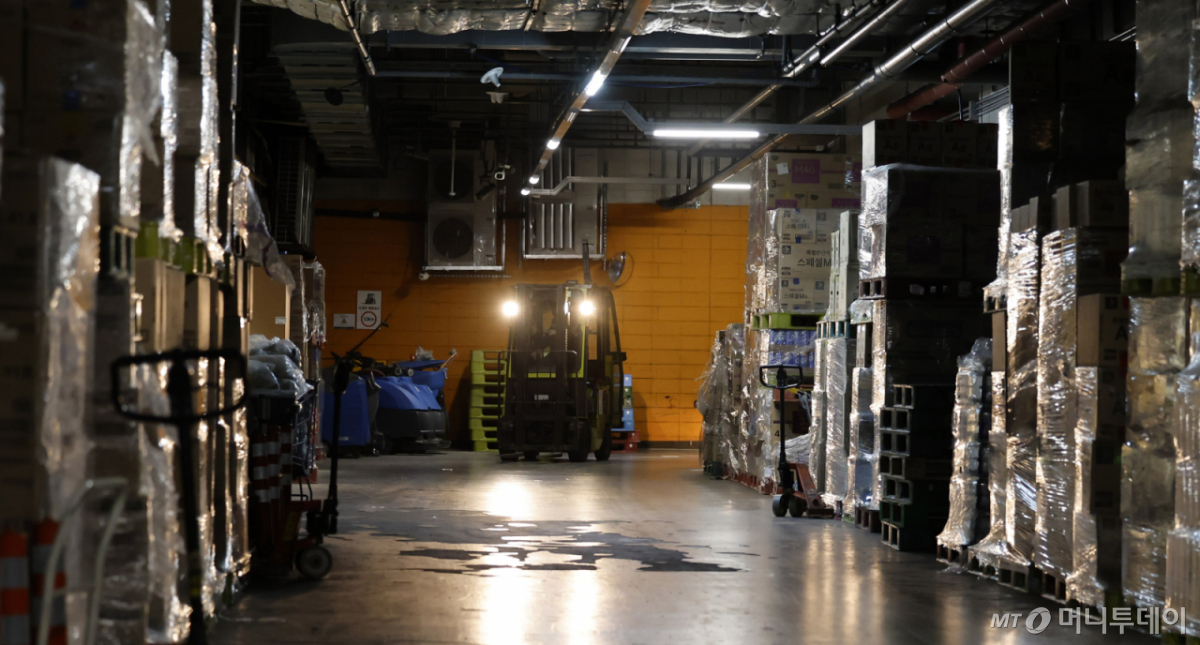
The Ministry of Employment and Labor announced the 'Plan to Protect the Health of Night Workers,' which includes these contents, on the 29th. This is a follow-up measure following the agreement reached by labor, management, and government on December 30 last year at the 'Roadmap for Shortening Actual Working Hours Task Force' to prepare measures to protect night work. The implementation monitoring team derived the first night work management guidelines after conducting overseas case studies, in-depth interviews (FGI) by industry, visiting a Hanjin Mega Hub logistics center site, and holding meetings with workers.
The recommendation includes a three-tier management principle based on exposure levels. First, all workplaces where night work (10 p.m. to 6 a.m. the following day) is conducted must jointly diagnose the inevitability of night work by labor and management, record and manage night working hours by workday and individual, and improve the work environment, including rest spaces and lighting.
Workers engaged in periodic or repetitive night work that falls under the special health examination targets under the Occupational Safety and Health Act (working an average of four or more times per month for eight hours including 0:00 to 5:00 over six months, or working an average of 60 hours per month between 10 p.m. and 6 a.m.) have been designated as priority protection targets regardless of their employment form, such as regular or daily wage workers.
Workplaces were instructed to manage night working hours considering that the recognition criteria for cardiovascular occupational diseases add a 30% surcharge to night work hours, and to appropriately limit the number of consecutive night shifts by referencing guidelines from the Korea Occupational Safety and Health Agency and the Ministry of Health and Welfare (three days or less).
It also requested the utilization of breaks during work and rest after completion, or the compensatory leave system (with a 50% or higher premium). It specified that if abnormal findings are detected in health examinations before and after assignment, post-hoc measures such as reducing working hours or switching to day shifts must be implemented, and that workers should not be disadvantaged for this reason.
In particular, it recommended enhanced protection for workers who work periodically during the 'deep night' period from midnight to 4 a.m. It called for strictly screening the inevitability of deep night work, guaranteeing additional rest or short sleep breaks (naps) beyond statutory break times, granting additional recovery time after work ends and extra leave on top of statutory compensatory leave, and reassigning high-risk tasks and strengthening safety management.
The government will establish support for reducing night work in next year's 'Work-Life Balance +4.5 Project' (budget proposal of 60 billion won). If labor and management agree to reduce night hours without wage cuts or expand rest and breaks to hire new personnel, support will be provided for up to one year. An additional preference of 200,000 won per person will be granted for reducing deep night work, and workplaces with 300 or more employees will also be supported for types involving life and safety, shift system reform, and long working hours. Support for consulting on reducing night work and linkage with worker health centers will also be expanded.
This recommendation does not impose new legal regulations, and there are no sanctions for non-compliance. The Ministry of Labor stated that it will continue social dialogue on additional tasks such as defining night workers and setting upper limits on working hours, and will push for separate discussions regarding the caregiving and delivery industries. Kim Young-hoon, Minister of Employment and Labor, stated, "It is significant that specific recommendations have been prepared for the first time," adding, "I expect systematic management to lead to protecting workers' health and strengthening corporate competitiveness."

 in ECONOMY
