

[For more diverse corporate information on startups mentioned in this article, please visit the Unicorn Factory big data platform 'Data Lab'.]

The so-called "Doctor Now Prevention Act," which prohibits non-face-to-face consultation platforms from engaging in pharmaceutical wholesale business, has passed the National Assembly. The venture and startup sectors strongly opposed it, calling it a "second Tada ban law," but could not stop it. Doctor Now itself states that even without its own wholesale network, it needs alternative measures to access real-time inventory information. Separately from the prohibition on dual operations in wholesale, the government plans to expand the scope of drug delivery for non-face-to-face consultations to relieve pressure on the industry.
Venture and startup sectors strongly oppose "second Tada Prevention Act"
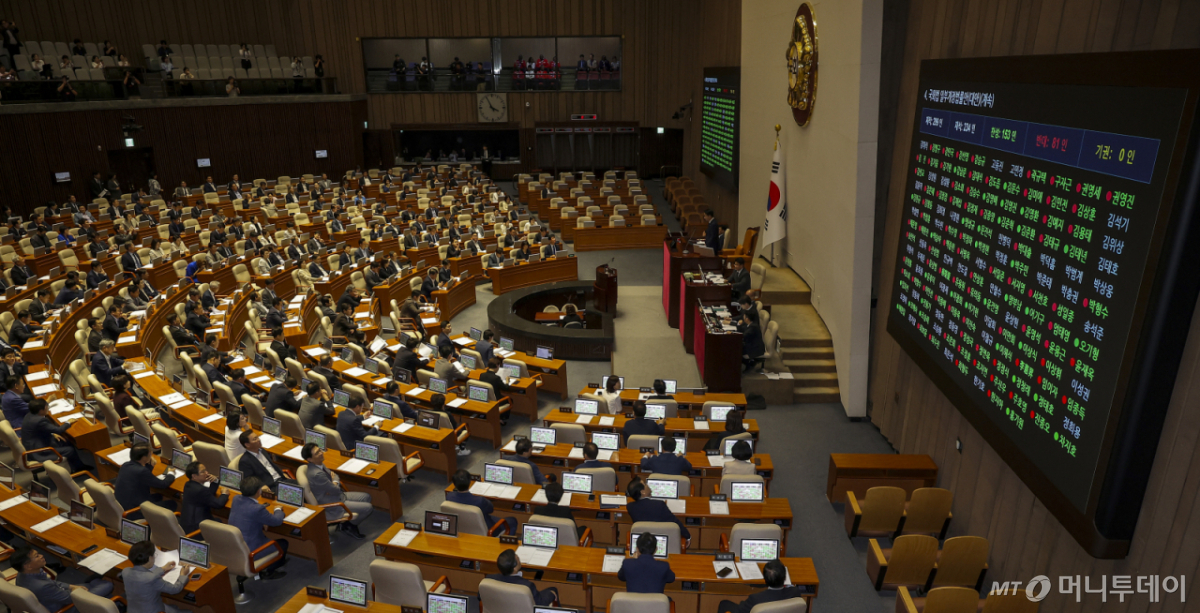
The Pharmacy Act amendment passed by the National Assembly on the 20th primarily prohibits non-face-to-face consultation intermediaries (platforms) from directly establishing or operating pharmaceutical wholesale businesses. This is effectively aimed at Doctor Now. Doctor Now holds a wholesale business license to provide consumers with real-time inventory information by pharmacy. The amendment restricts not only direct wholesale operations by non-face-to-face platforms like Doctor Now but also sales of drugs by wholesalers in special relationships.
The venture and startup sectors strongly opposed the measure. The Venture Company Association criticized it, stating, "Instead of regulating rebate practices and patient solicitation/arrangement concerns—which can already be addressed under existing legal frameworks—the legislature chose the strongest approach: outright banning the specific business model of wholesale itself." It further argued that this represents another instance where small innovations by startups in emerging industries have been thwarted by entry barriers and the vested interests of professional groups.
The Korea Startup Forum also expressed concern, stating, "Patients finishing non-face-to-face consultations often do not know which pharmacies have the required medication, forcing them to visit multiple locations—a long-ignored inconvenience. The startup sought to link pharmaceutical inventory information for consumer convenience. Yet services that enhance consumer benefits are repeatedly being eliminated by institutional power when they face opposition from professional groups."
Can real-time inventory tracking be replaced with public data?
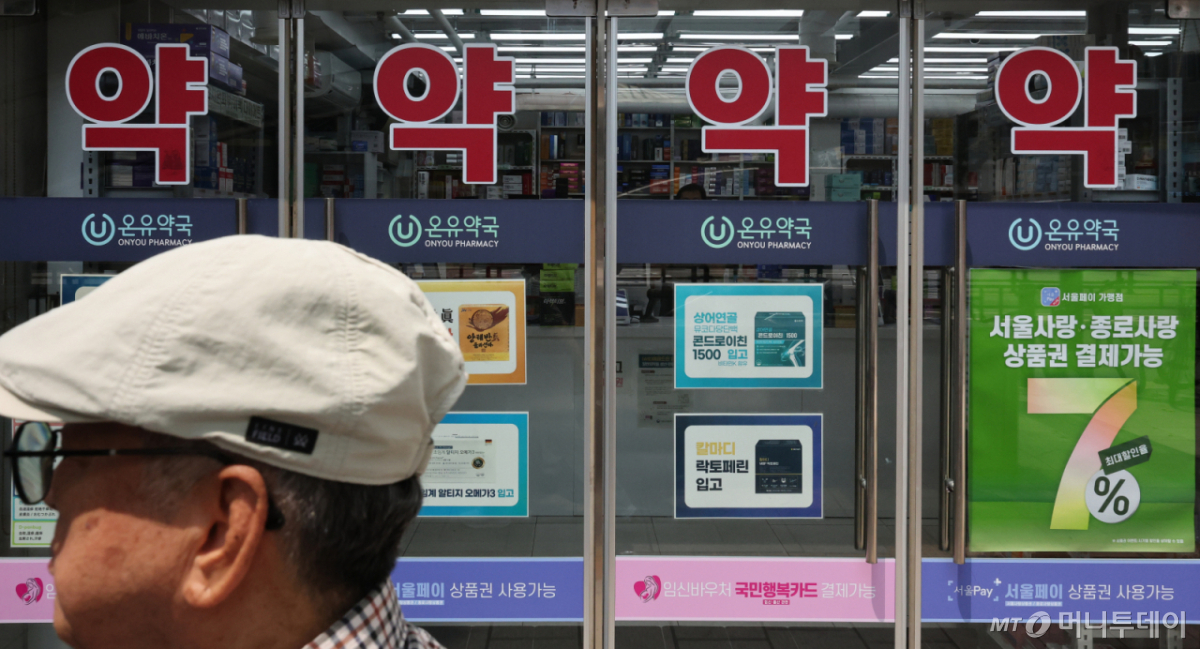
Doctor Now plans to wind down its wholesale operations during the one-year grace period granted by the Pharmacy Act amendment. A Doctor Now official stated, "Wholesale operations are managed by a small team at headquarters without a separate subsidiary," and added, "Inventory levels are also minimal, so there should be no issues in winding them down during the grace period."
However, discontinuing wholesale operations will inevitably disrupt access to pharmacy inventory information. If platforms lose real-time inventory data previously secured through their own wholesale networks, patients may again face longer wait times to find "pharmacies capable of dispensing" medications—reviving the so-called "pharmacy runaround."
The government has opted to fill this gap using public data. Since May 6, the Ministry of Health and Welfare and the Health Insurance Review & Assessment Service have been providing intermediaries with weekly information on purchases and dispensing status by pharmacy for prescription drugs from non-face-to-face consultations.
However, this falls far short of real-time inventory tracking and dispensing history as currently monitored by wholesalers. The government plans to shorten the data provision cycle and include detailed purchase and dispensing quantities by pharmacy, enabling platforms to access inventory information without directly participating in distribution.
Next front: 'Expansion of drug delivery'… expected backlash from the Pharmaceutical Association

Coinciding with the passage of the Pharmacy Act amendment, the government has decided to begin discussions on expanding non-face-to-face drug delivery. Starting from the end of this year, drug delivery will be permitted for certain groups including residents of islands and remote areas, long-term care recipients, persons with disabilities, infectious disease patients, and those with rare diseases. The government also plans to discuss amendments to relevant laws such as the Pharmacy Act and Medical Service Act to further expand eligibility.
Non-face-to-face consultation startups and venture industry players who expressed concerns over the Pharmacy Act amendment have positively evaluated the discussions on expanding drug delivery. Doctor Now has also stated its intention to actively participate in inter-ministerial deliberations, offering past experiences and data to voice its position.
In contrast, the Pharmaceutical Association has already declared it will not participate in any committee discussing full-scale expansion of drug delivery. A non-face-to-face platform official remarked, "Expanding drug delivery is essential to ensure the effectiveness of non-face-to-face consultations and enhance patient convenience, yet the Pharmaceutical Association is boycotting the discussion itself." The official added, "While concerned about how quickly and effectively the drug delivery deliberation committee can operate, we trust the government's resolve and plan to participate diligently."
[MoneyToday Startup Media Platform Unicorn Factory]

 in FUTURE


