

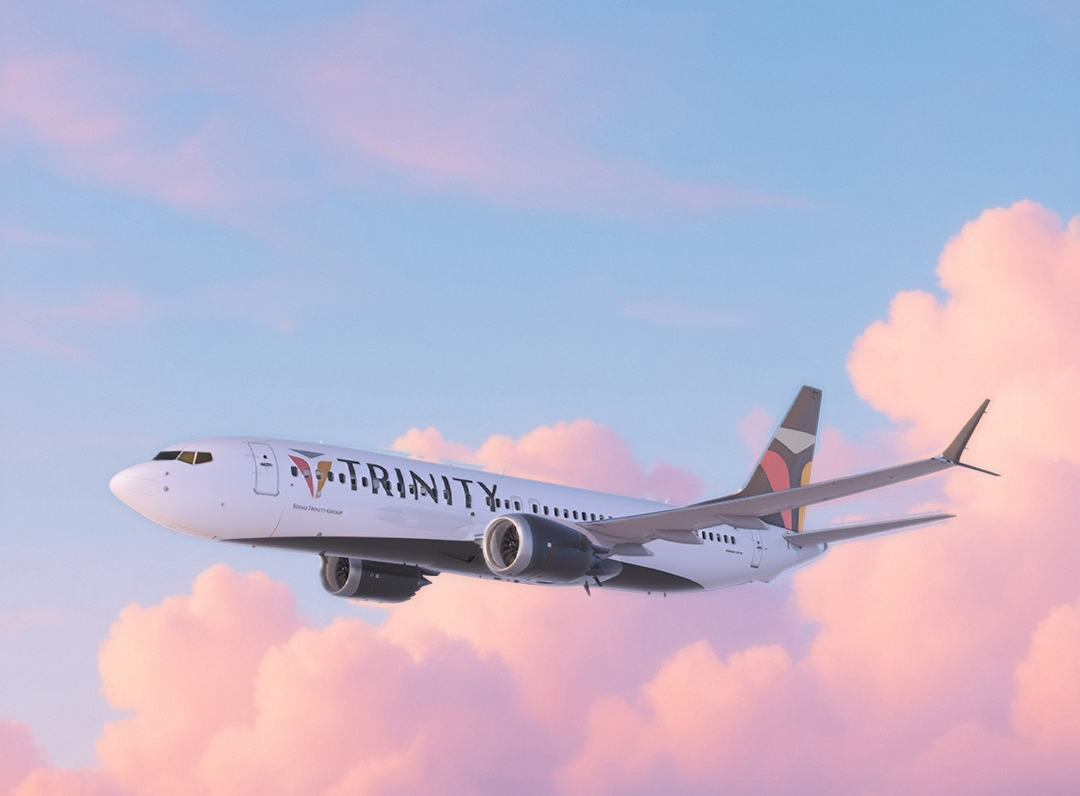
Trinity Air will suspend operations on its Cheongju-Bali route starting from the 25th. This comes approximately one year after the route launched in September of last year. The airline, which has continued to suspend and reduce flights on major European routes, is accelerating its route restructuring efforts aimed at improving profitability.
According to aviation industry sources on the 15th, Trinity Air plans to indefinitely suspend operations on the Cheongju-Bali route starting from the winter schedule beginning on the 25th. This marks one year and one month since the airline launched the route on September 25 of last year, when it was still operating as T'way.
Previously, when the Ministry of Land, Infrastructure and Transport allocated Bali route traffic rights to regional airports for the first time in 2024, direct flights to Bali were established from Cheongju Airport. At that time, Trinity Air began operating three flights per week using a Boeing B737-8 aircraft with a capacity of 189 seats.
The route maintained three weekly flights during last year's winter season but was reduced to two flights per week starting in March this year. Operations were subsequently suspended after approximately seven months. A specific date for resuming operations has not been determined.
Trinity Air is also continuing to suspend and reduce flights on major European routes. The Incheon-Frankfurt route is also scheduled to be indefinitely suspended starting from the 25th. Frankfurt is a route that Trinity Air entered following corrective measures by European competition authorities during the merger process between Korean Air and Asiana Airlines. The route will cease operations starting the day after the 24th, which marks approximately two years since its launch in October 2024 and coincides with the end of the mandatory operation period for four European routes.
The number of flights on the Incheon-Rome route decreased from 62 to 48 compared to the same period last year, as of July. During the same period, Paris flights dropped from 43 to 33, and Barcelona flights fell from 35 to 25. Trinity Air had previously reduced some flights on the Incheon-Paris route between June and October, citing burdens such as high fuel prices.
The Incheon-Zagreb route is also being excluded from winter schedules, indicating seasonal operational adjustments are underway. The Zagreb route was the first European route launched by a domestic low-cost carrier (LCC) in May 2024. It operated three times a week during this year's summer season.
The successive route adjustments are interpreted as part of an effort to improve operational efficiency for profitability. Following an operating loss of 265.5 billion won last year, Trinity Air also posted a deficit of 162.8 billion won in the first half of this year. Amid continuing burdens from high fuel prices and exchange rates, the airline is moving to improve its fundamental structure by reducing supply on low-profitability routes and deploying aircraft more efficiently.
A Trinity Air official stated, "This is part of a strategic decision aimed at enhancing overall route operational efficiency and efficient aircraft deployment," adding, "There is a possibility that future resumption of operations will be reconsidered depending on changes in market conditions."

 in INDUSTRY
