

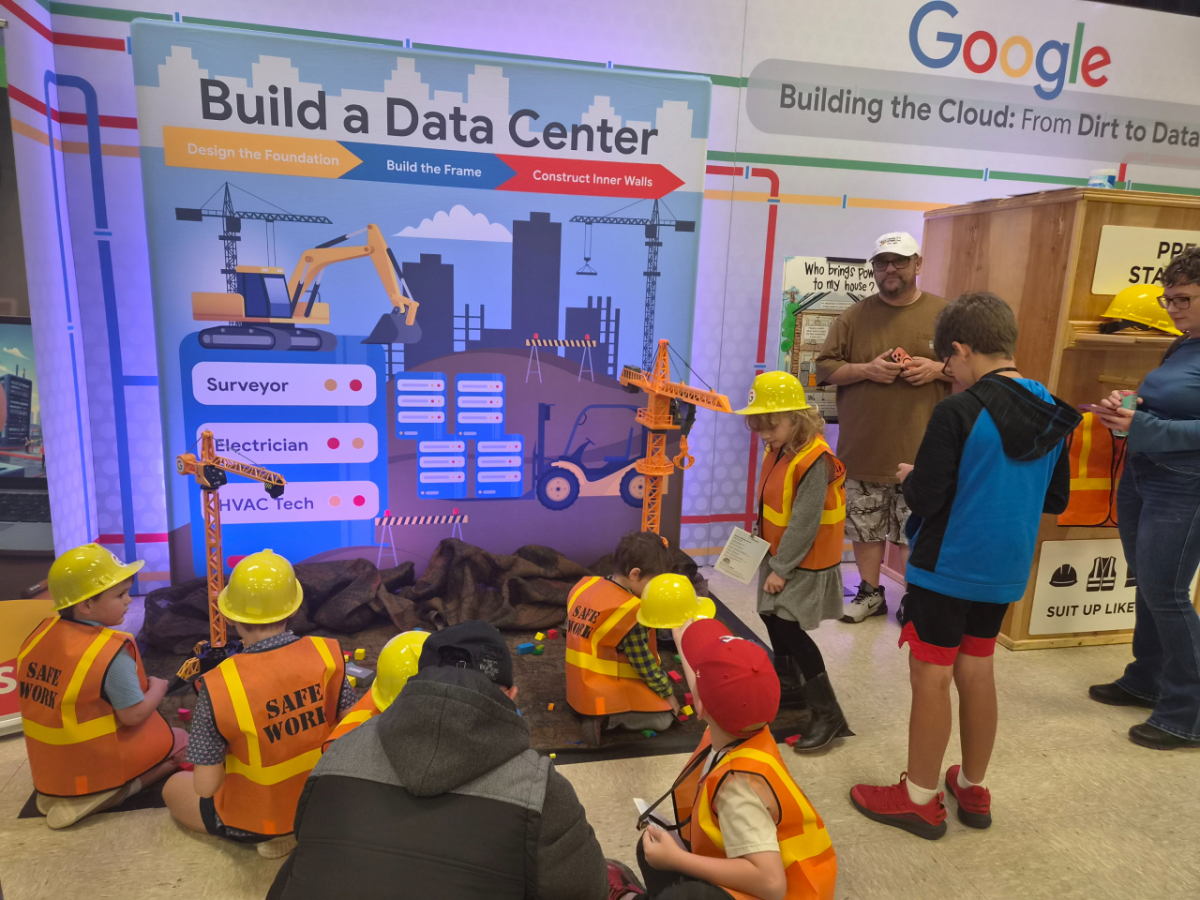
Haskell, Texas, a city in the United States with a population of approximately 3,100. In this central hub of Haskell County, new stores have opened and old shops have changed their appearance near the city hall over the past few years. This is because the foot traffic of outsiders has increased in what was once such a quiet rural village that it was called a "sleeping town."
A quiet rural village bustling with solar power, wind energy, and data centers
Laura Bowers, director of the Haskell Development Corporation (DCOH), whom we met on the 2nd (local time), stated, "As more people visit the area, restaurants, food suppliers, fence contractors, security companies, and lodging businesses have benefited," adding, "For about the past two years, many businesses have utilized the city's store improvement support policy."
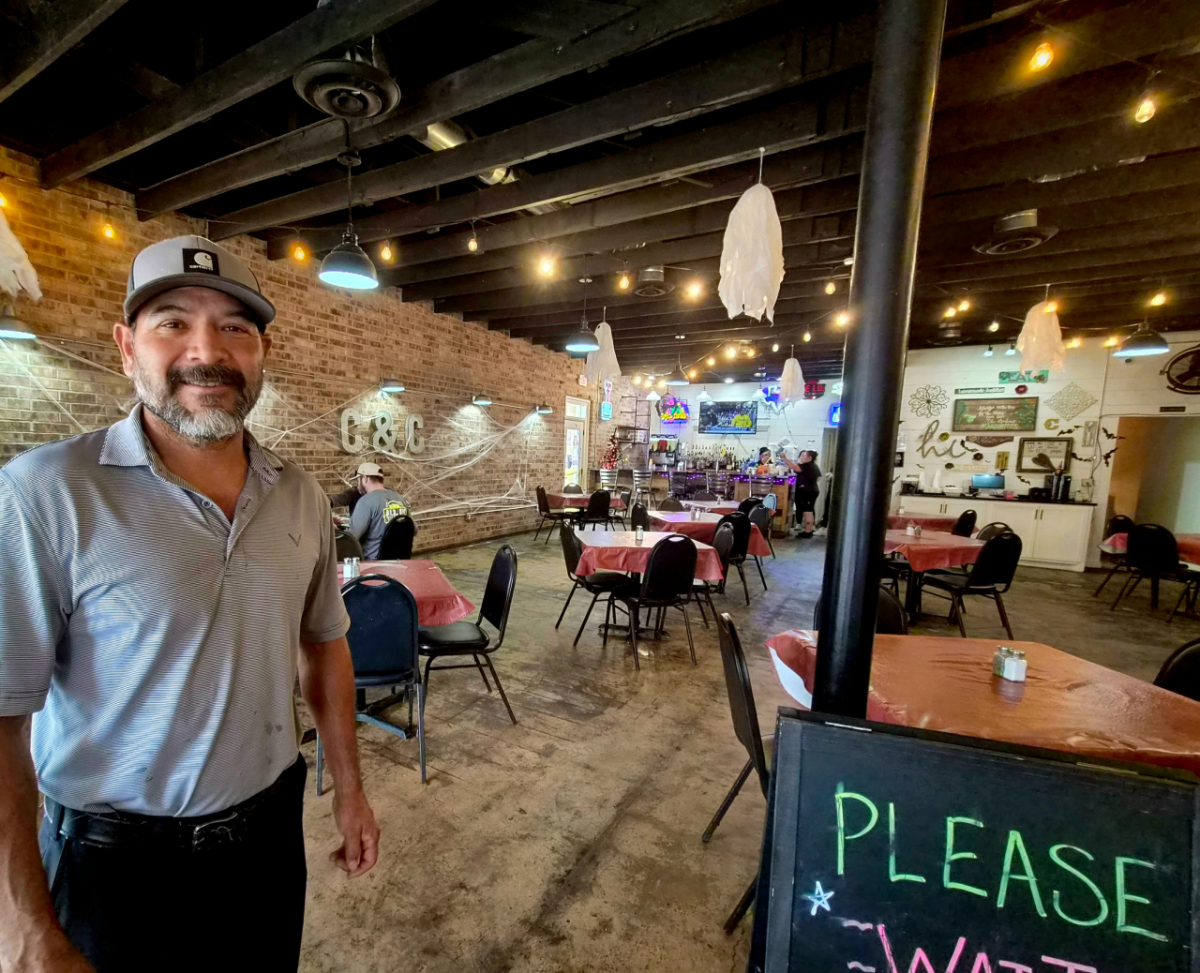
The restaurant "Camacho and Charles," which opened near the city hall about a year and a half ago, is one of them. Joe Ray Camacho (54, photo), the owner whom we met at the restaurant that morning, explained, "We have more customers, and thanks to that, we have been able to hire more employees." He added, "The data center coming here helps me, and it also helps the people I employ." Initially expecting about 20 employees, they hired an additional 10 to 15 due to the influx of people into the town, bringing the current staff count to over 30.
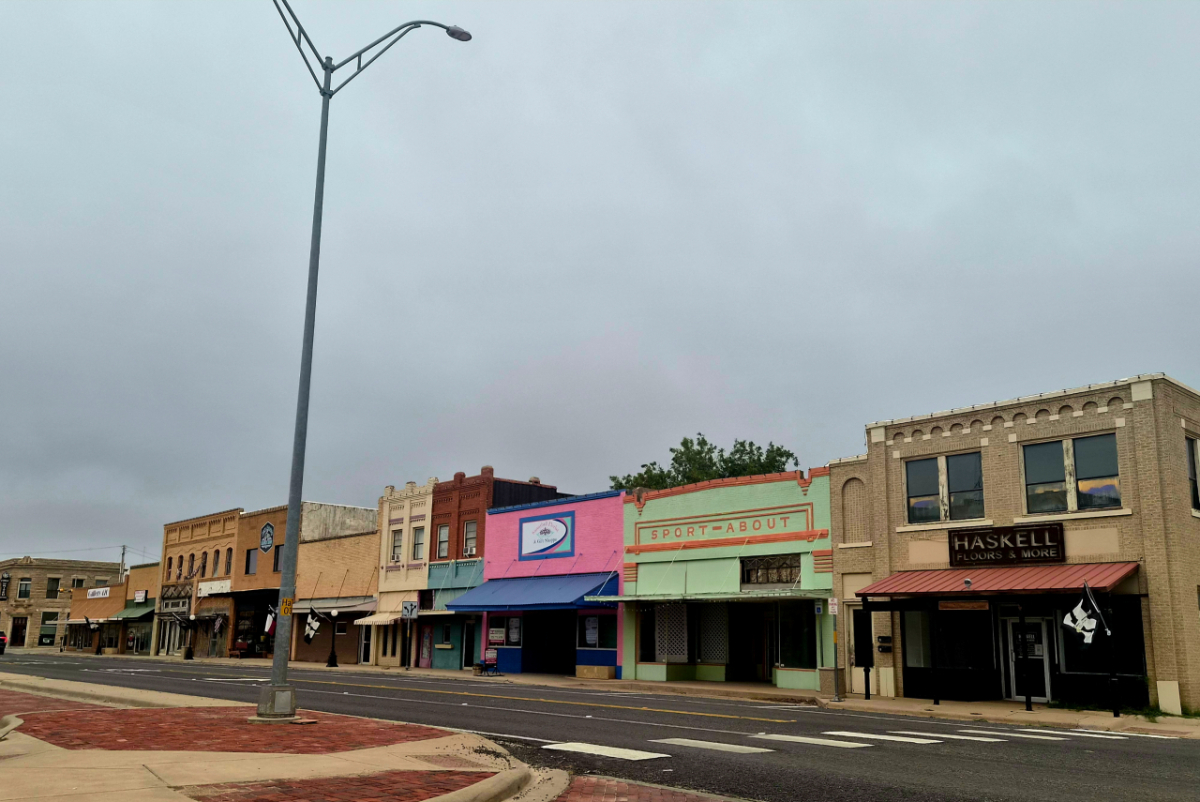
The changes in the village did not start with the data center. According to Director Bowers, the first large-scale solar power project came to Haskell about 10 years ago. As wind and solar projects continued, construction workers would come in and leave after the work was completed, a cycle that repeated itself. She noted, "There were periods when many construction workers came in, and then it became quiet when they left."
With the addition of Google's data center construction, the scale and speed of change increased. Haskell Mayor Christina Isbell met directly with Google to hear about their business plan in August last year. Speaking at the Haskell City Hall on the same day, Mayor Isbell said, "In this once-quiet area, cars are now backed up at traffic lights and there are lines outside stores."
A big project in a small town… Concerns over water, traffic, and housing costs
The changes are not all welcome. Handling the increasing number of people and vehicles is no small task for a small village. The main concerns cited by residents are water shortages, traffic, and rising housing costs.
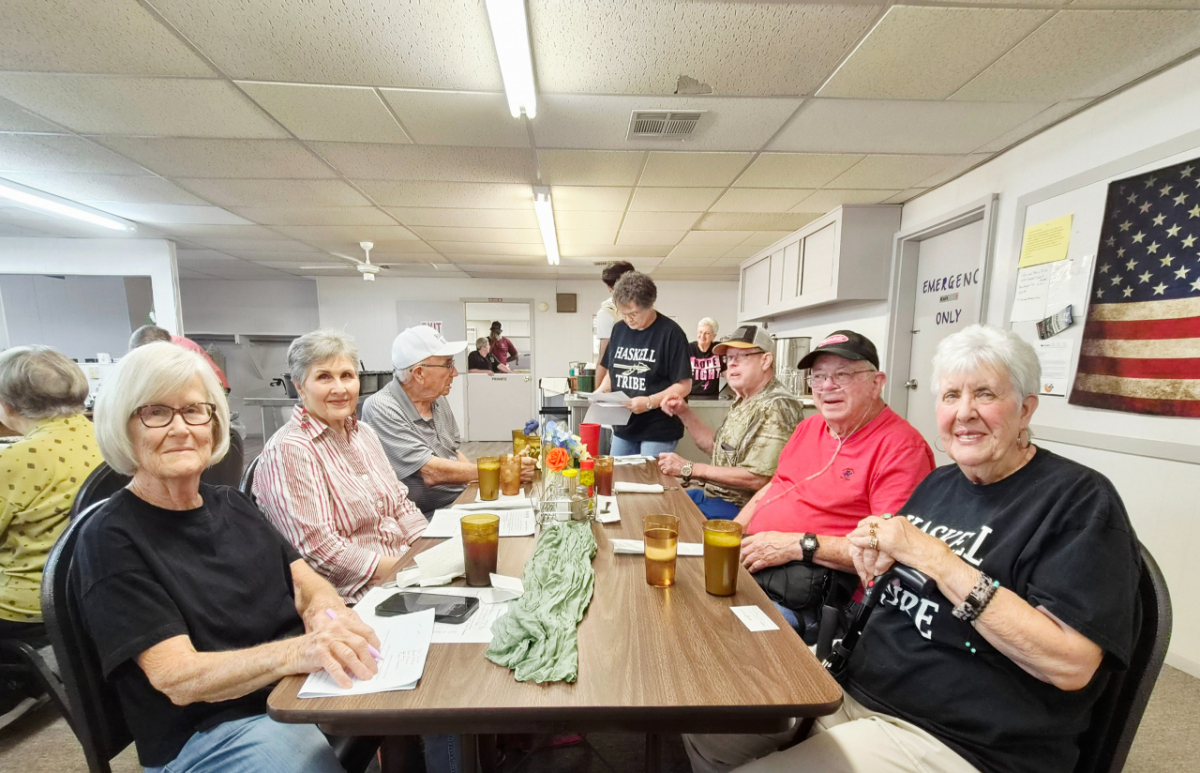
For residents who normally experience droughts, data center water usage is a major worry. Karen Wolf, whom we met at the local community center that day, expressed concern, saying, "It is originally an area with droughts, and water was often scarce even before additional demand arose," adding, "Water is my biggest concern."
Having lived in Haskell since 1974, she stated, "The infrastructure is designed to operate at a small village scale, but everything is coming in too fast," pointing out the issue of large trucks constantly traveling on rural roads and speeding.
Housing shortages are also a realistic burden. Due to a lack of housing to accommodate construction workers, rents for existing homes have risen. Temporary living quarters made from camper vans have appeared in various parts of the village. Jennie Browning, whom we met at the same community center, said, "Rents have gone up so much that I don't know how tenants will be able to afford housing costs."
People come, and opportunities arise
Nevertheless, among the residents we met in the field, voices expecting the future brought by new livelihoods were more dominant. Beyond the immediate construction boom, they hoped that new industries would take root, and that people and families would move into the area where younger generations had been leaving, thereby supporting schools and commercial districts.
Ruby Turner, who has lived in Haskell since 1958, expressed her view by saying, "Many people have come to the village," adding, "I am looking forward to it and support development." She stated, "When a data center comes, there are both pros and cons," noting, "It is a welcome thing that more people come, businesses increase, and people spend money here."
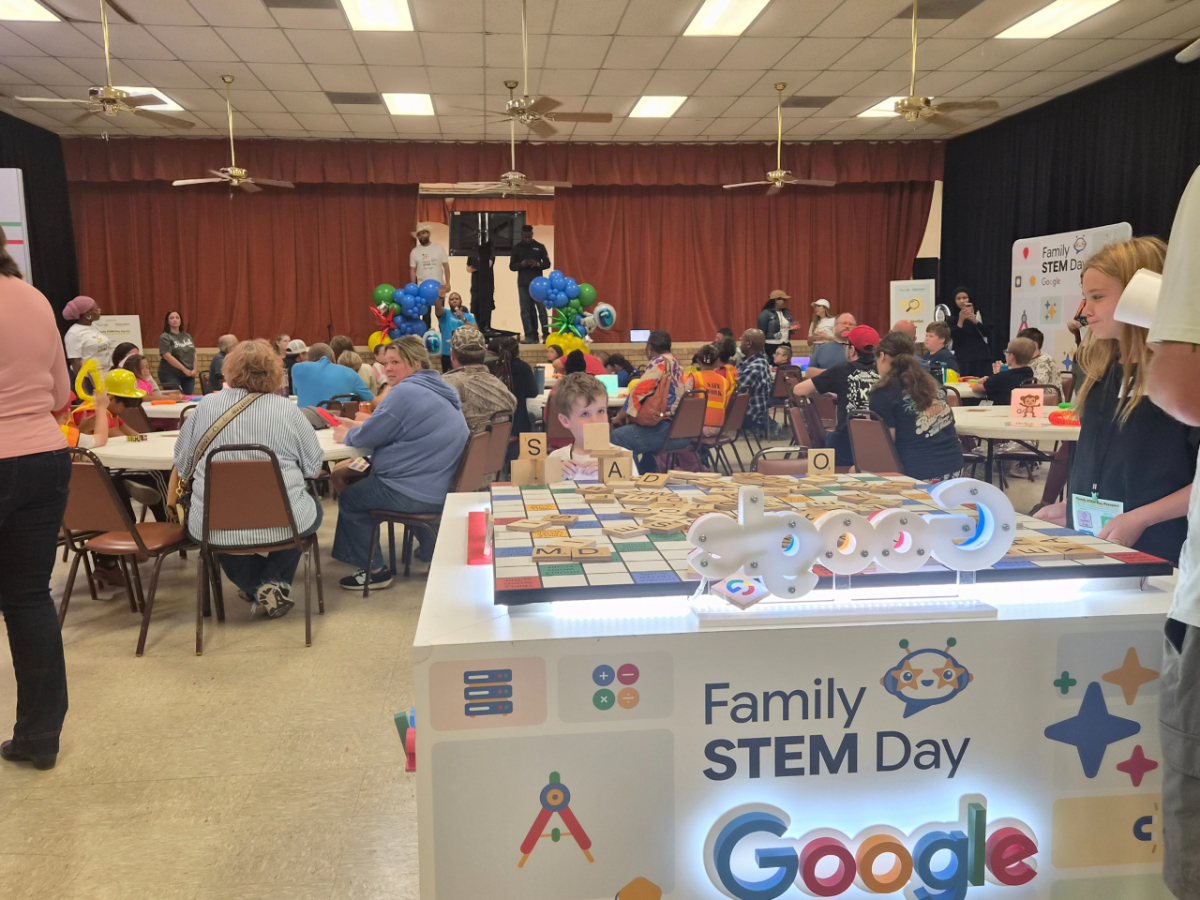
Kacey Moeller, Haskell Fire Chief, who visited the science and technology experience event for children and adolescents prepared by Google for the community on the 3rd with his three children, also expressed a welcoming stance.
Having been born and raised in Haskell, he preambled, "This has always been an agriculture-based community, but as that foundation declined, attracting companies and industries to ensure the community could continue to sustain itself was always a goal." He emphasized, "The data center is bringing people in; even in my neighborhood alone, there are more children now," adding, "Tax revenue has increased, and opportunities for growth that did not exist before have emerged."
Communication between the community and businesses is key
However, the rosy opportunities brought by large-scale project attraction do not automatically translate into regional benefits. To reduce the pains accompanying rapid change and turn opportunities into reality, the most important thing was "constant communication" bridging businesses and residents.
Mayor Isbell said she has been discussing local issues with Google frequently since last year. She serves as a two-way communication channel, providing residents with accurate information they want and conveying their requests to the business side. To solve traffic problems, the Texas Department of Transportation, Google, the county, and the city are holding joint meetings to find solutions.
Underlying this is the philosophy that new investment must be turned into an opportunity for the region to revive. Mayor Isbell stated, "As small towns declined, schools, gas stations, restaurants, and stores closed, and the population decreased," adding, "Because it is a very rural area with no opportunities, we had to find how to get the best results that would benefit us."
Having served as a bridge connecting businesses and the community for over a year, she emphasized dialogue to find solutions. Mayor Isbell said, "We must make an effort if there is anything where we can look for a solution," adding, "The most important thing is that even if opinions differ, we must talk; we must find solutions by talking in order to coexist."
This planned reporting was supported by the Korea Journalists Association and Climate Media Hub.

 in INDUSTRY


