

"SMRs (Small Modular Reactors) are a race against time. As the nation aims to cultivate SMRs as a next-generation industry, regulation is extremely important."
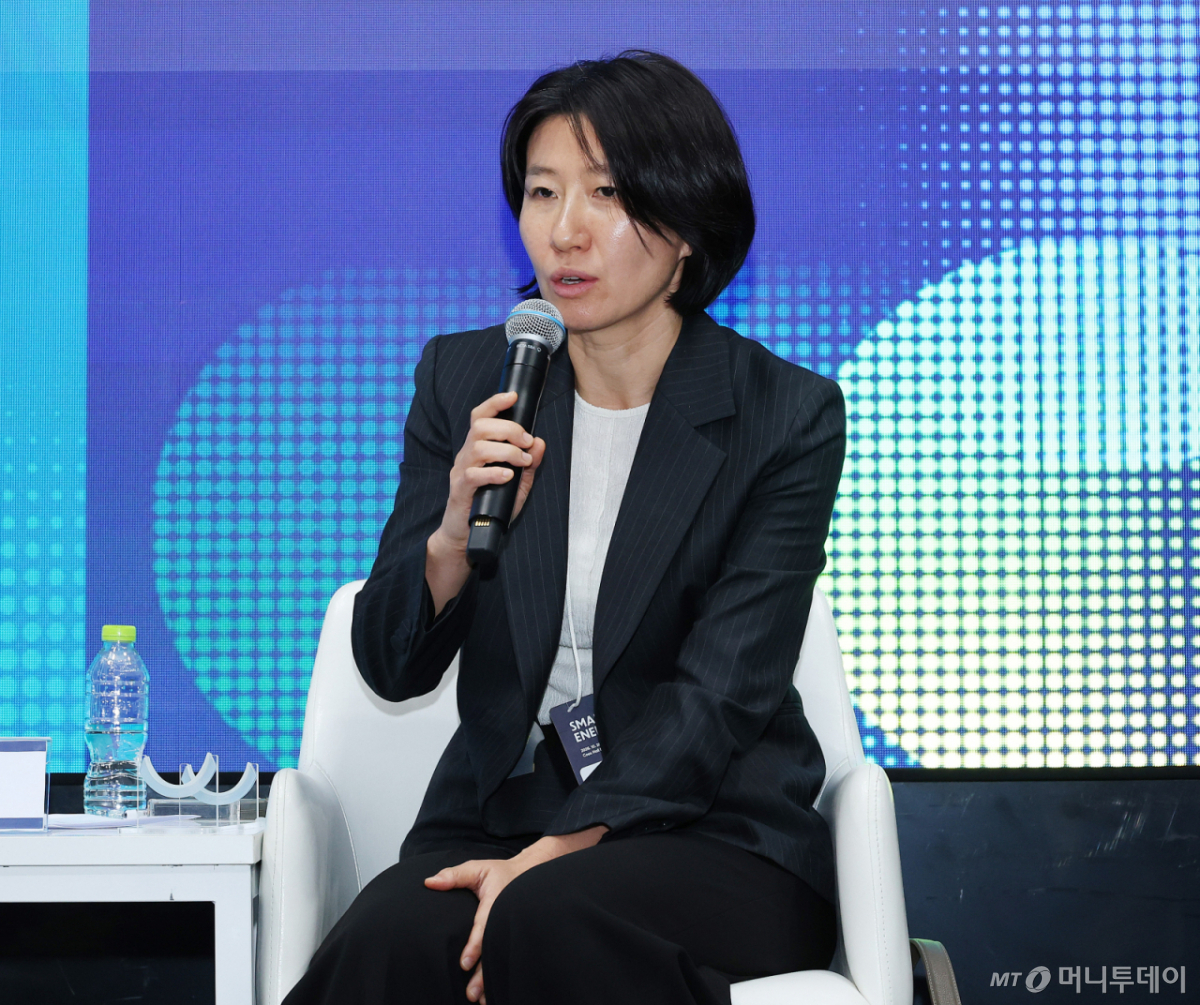
Jang In-sook, head of the SMR Safety Division at the Nuclear Safety and Security Commission, who took the stage as a speaker at the SMR Special Session of "Smart Energy Plus (SEP) 2026" held on the 28th in Hall B of COEX in Samsung-dong, Seoul, said this. Jang explained, "We determined that if we delayed the development of technical standards, it would become a period that hinders the commercialization of SMRs."
Jang pointed out that the current domestic nuclear power regulation system is built around large-scale light water reactors, making it difficult to reflect the diverse business models and technical characteristics of SMRs. She stated, "Our regulatory system requires securing a disaster prevention zone of about 30 kilometers, and nuclear power plants have traditionally been built by the sea," adding, "If a nuclear plant is located near an AI (artificial intelligence) data center, which is a site of high electricity demand, it could conflict with current regulations."
According to Jang, while SMRs can be used for various purposes beyond power supply, such as industrial heat supply and ship propulsion, the current legal framework makes it difficult to support these applications. She noted, "Heat supply is not a type of reactor business that can be licensed under the current legal system," and mentioned, "How to license and grant construction and operation permits for ship-propulsion reactors, and how to establish safety measures, are all challenges that must be solved."
Establishing regulatory standards for non-light water SMRs is also urgent. Unlike existing light water reactors that use water as a coolant, SMRs are being developed using various substances such as sodium. However, the explanation noted that there is a lack of experience in reviewing reactors other than light water reactors domestically, making it difficult to establish criteria and methods for evaluating the safety of new technologies. Jang stated, "We only have light water types, so how can we evaluate the technical characteristics of sodium and guarantee its safety?" pointing out, "The more we review it, the more it becomes clear that there is no method to conduct such a review."
Another obstacle is the difficulty in finding reference cases abroad. Jang stated, "While the United States is said to be leading the way, there are not many cases that have progressed beyond the construction permit stage," and revealed, "Even in cases where construction permits were granted, upon closer inspection, many technical aspects had been postponed."
Jang's judgment is that speed must be put into establishing the regulatory system. In fact, the Nuclear Safety and Security Commission announced a roadmap for the SMR regulatory system last February, setting a goal to revise relevant laws and regulations to establish licensing pathways for various SMRs by 2030. Initially, technical review criteria were planned to be developed in line with the stage at which operators' designs become concrete, but the strategy was revised as project promotion accelerated.
Jang stated, "To prevent regulation from hindering commercialization, we changed our goal to start developing review criteria from 2027," and revealed, "Through preliminary reviews, we can build the review criteria to be established in the future together with operators and make them more robust."

 in INDUSTRY
