

The conclusion of follow-up negotiations on services and investment under the Korea-China free trade agreement (FTA) on Nov. 18 has raised hopes that the decade-long restrictions on Korean cultural content in China, known as the hallyu ban, could be lifted, paving the way for Korean companies to expand in the market.
However, the struggles of major Korean retailers that previously entered China suggest that the challenges went beyond the hallyu ban.
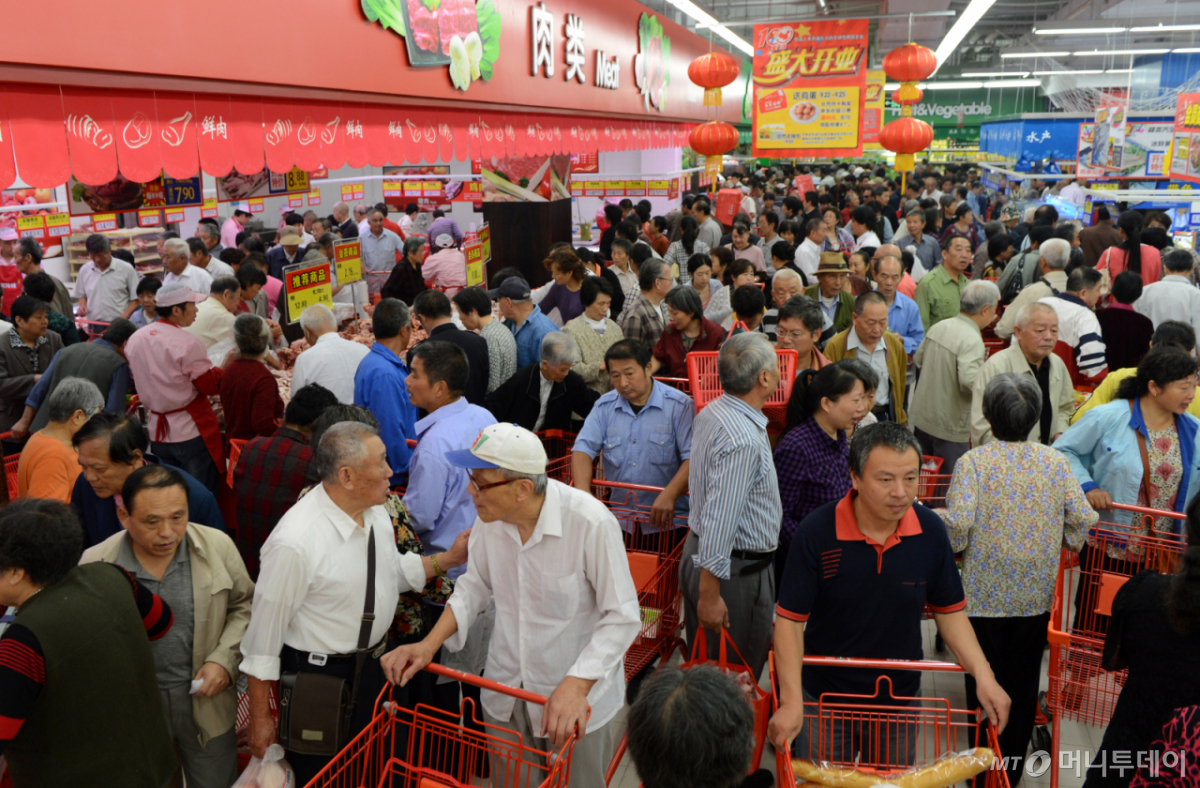
According to industry sources on Thursday, in the early 2010s, Lotte Mart operated approximately 110 stores and E-Mart operated 27 stores in China. Together, the two companies operated more than 130 stores.
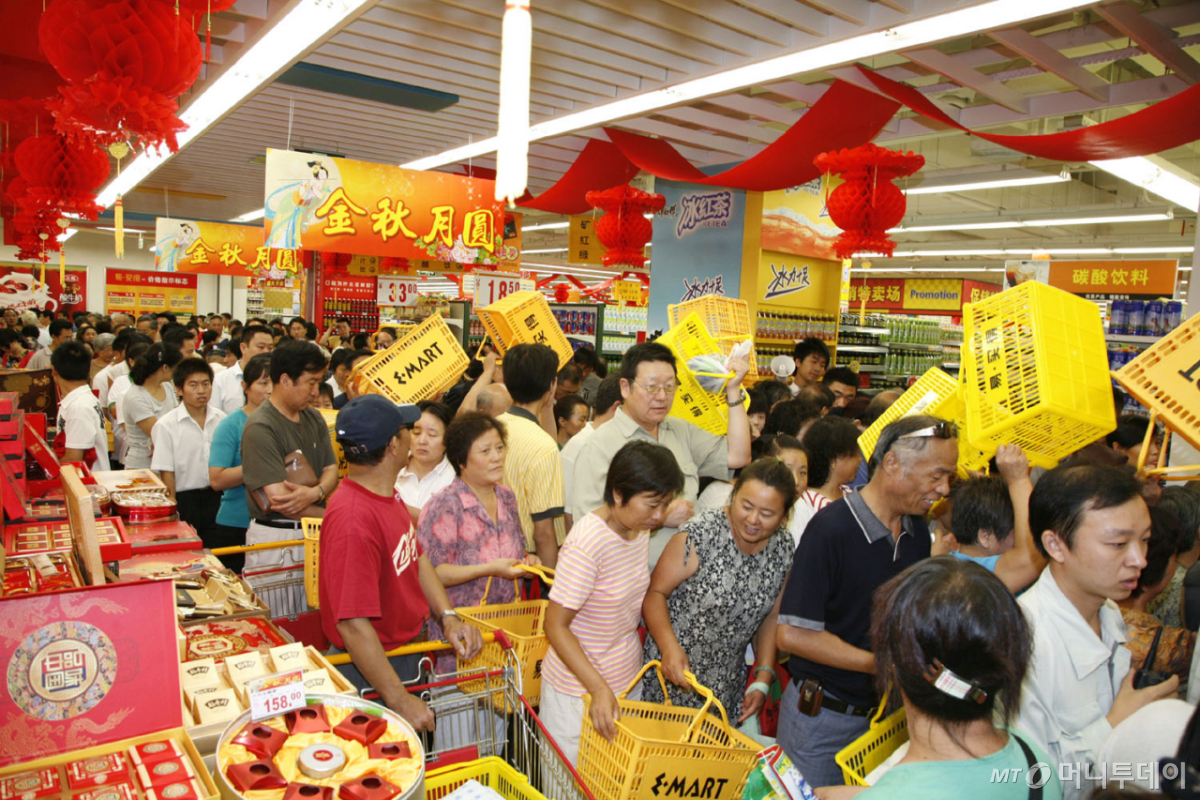
E-Mart was the first company to plant its flag in the Chinese market. It opened its first store in Shanghai in February 1997 and expanded its store count annually, reaching 27 stores by 2010.
However, as losses accumulated, it began restructuring in 2011 and completely withdrew in December 2017.
Lotte Mart, a later entrant, started its business in China by acquiring eight stores operated by a Dutch company in December 2007. It then significantly increased its store count in a short period through mergers and acquisitions (M&A), surpassing the 100th store around September 2012. There was even a period when it had more stores in China than in Korea.
The combined sales of the two companies’ Chinese stores are estimated to have once exceeded 2 trillion won. However, industry officials explained that while they recorded a slight profit in the early stages of entry, losses increased as the scale of the business expanded.
Discount stores are typically an industry characterized by "economies of scale," where price competitiveness is secured as the number of stores increases and product purchase volumes grow.
However, for these two companies, the scale of losses grew as their store count increased. This was reportedly the result of gradually losing ground in logistics and procurement unit price competition against local retailers, according to former officials who worked in the relevant business divisions at the time.
Localization strategies were also not easy. For example, while fresh foods such as meat and fish are sold in vacuum-sealed plastic packaging for hygiene reasons in domestic discount stores, local consumers frequently tore open the packaging to touch the products directly, in addition to inspecting them visually.
It is also known that meticulous management was difficult due to unexpected risks arising from local labor practices and wages in areas requiring strict hygiene management, such as ready-to-eat food shelves and restrooms.
Global retailers such as Carrefour and Walmart, which entered the market before Korean companies, were also pushed out of competition with Chinese retailers for similar reasons, eventually significantly reducing their business scale or withdrawing gradually.
In this situation, the hallyu ban triggered by the deployment of THAAD (Terminal High Altitude Area Defense) in 2017 became the final blow. Lotte, which became a concentrated target of Chinese government regulations, received forced business suspension notices for approximately 80% of its operating stores.
It is reported that they suffered a "double burden" as they were advised to pay salaries to local employees regardless of whether operations continued.
Considering these points, the prevailing view in the industry is that even if entry into China has become easier due to the improvement in diplomatic relations between Korea and China, few retail companies will actively pursue entry into the Chinese market.
An official from a major retail company said, "The agreement content allowing the operation of more than 30 stores locally without a joint venture with a Chinese company is a positive clause in terms of seeking new business opportunities."
However, he added, "However, opening new local stores requires considering various aspects such as site selection, construction permits and approvals, and securing logistics networks. Given past experiences of large-scale losses, the actual decision on entry will be approached very cautiously."
In addition, the fact that the validity of this agreement could be reversed at any time depending on diplomatic relations between the two countries is also cited as a risk for entering the Chinese retail market.

 in LIVING

