

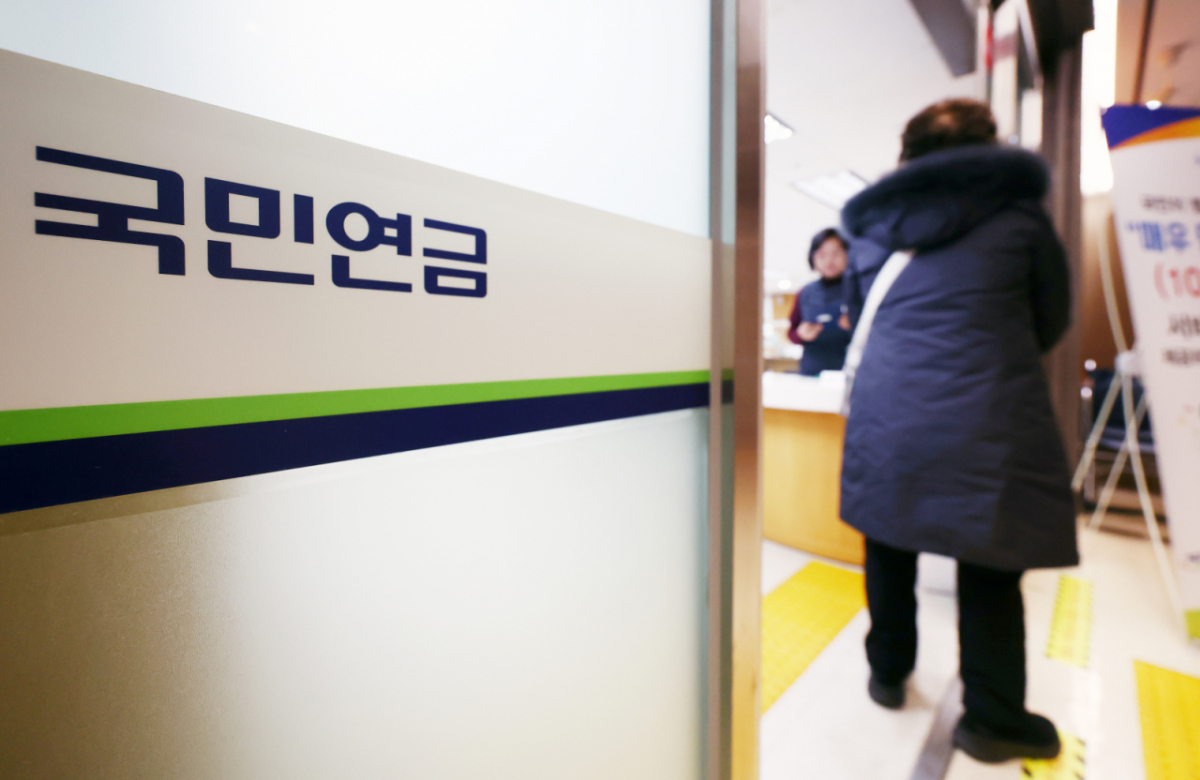
On the 14th, it was learned that the National Pension Service, which has faced controversy over geopolitical risks arising from investments in Chinese military companies' (CMC) initial public offerings (IPOs), lacks a screening procedure to filter whether investment targets are designated as CMCs.
As South Korea faces pressure from U.S. President Donald Trump to expand its alliance role, including requests to deploy naval vessels to the Strait of Hormuz, it has been pointed out that public pension funds contributing to CMC capital raising could increase future diplomatic and security negotiation costs with the United States. CMCs are companies prohibited by the U.S. Department of Defense from participating in procurement projects due to their direct or indirect ties to the Chinese People's Liberation Army and contributions to military-civilian integration.
Only Financial Sanctions Were Filtered; CMC Designation Not Included in Inspection Items
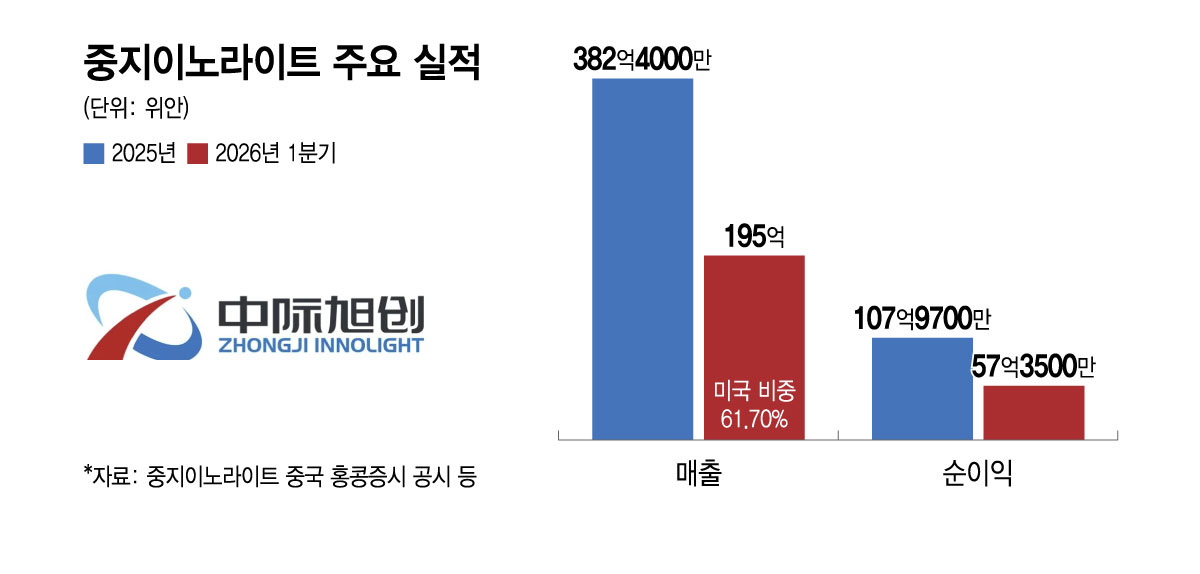
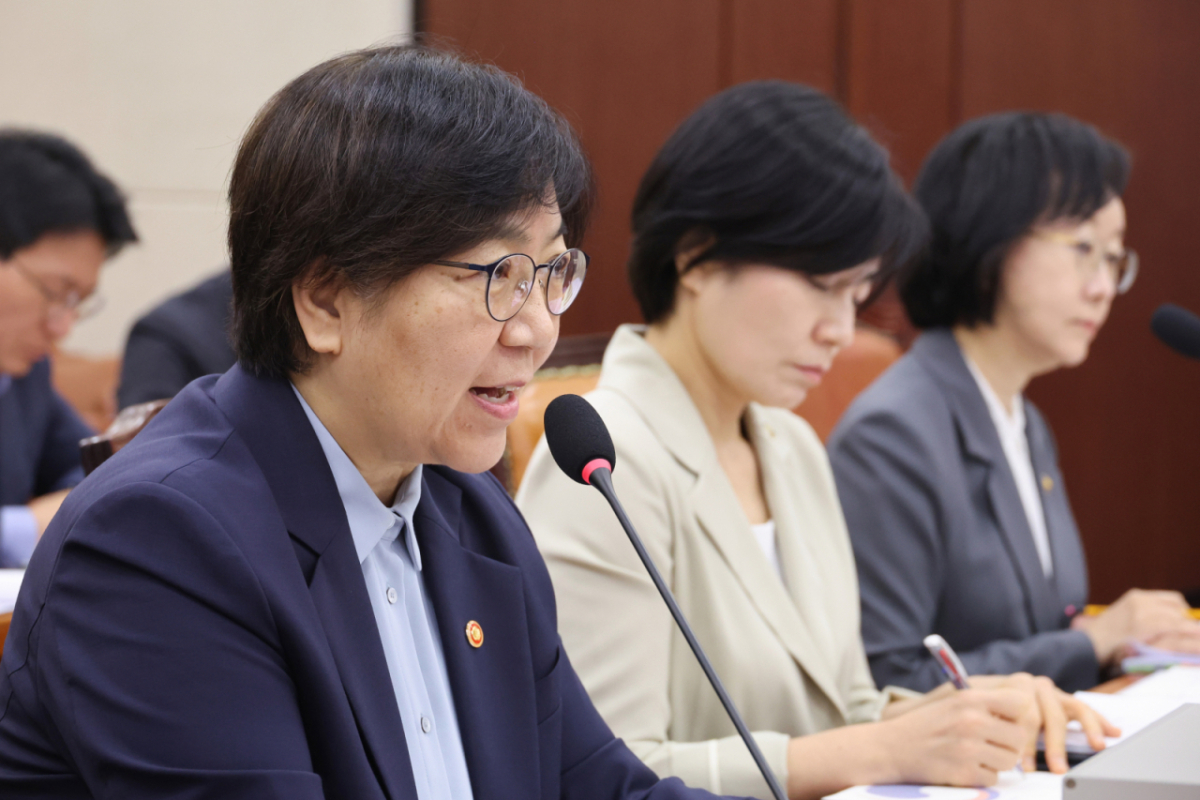
According to the National Assembly, officials from the Ministry of Health and Welfare and the NPS recently reported to the office of People Power Party lawmaker Kim Yong-tae that the existing system for checking sanction risks focused on financial sanctions targets under the jurisdiction of the U.S. Department of the Treasury rather than CMCs. This report followed an exchange in which Health Minister Jeong Eun-kyung responded at the National Assembly's Pension Reform Special Committee that she would review the internal fund management division's investment principles. Zhongji Inolight is a Chinese optical communication equipment manufacturer that produces optical transceivers, devices that convert electrical signals to optical signals and vice versa, used in AI data centers.
According to reports submitted by the Ministry of Health and Welfare, the NPS participated as a party to the cornerstone investment agreement for Zhongji Inolight alongside BlackRock funds under its overseas stock account managed by BlackRock. BlackRock was investigated by the U.S. House Select Committee on Chinese Communist Party (China Special Committee) in 2023 along with MSCI regarding investments related to China. The China Special Committee reported in a 2024 report that U.S. financial institutional investors had invested billions of dollars in Chinese companies listed on government blacklists and recommended legislation to restrict such capital flows. Since then, actual moves have been made by individual U.S. states through state laws to see public pension funds exit the Chinese market.
The Ministry of Health and Welfare explained to lawmakers that direct investments by the NPS are filtered out under the existing financial sanctions inspection system, while overseas fund investments follow a system where each fund conducts its own filtering. In other words, CMC designation is not a sanction that prohibits financial transactions, so it was not included in the NPS's screening targets.
From Watchlist to Effective Regulation; FCC Considering Additional Restrictions
CMCs designated by the U.S. Department of Defense are lists identifying companies linked to the Chinese military. The U.S. Department of Defense had designated Zhongji Inolight as a CMC 42 days before the NPS's cornerstone (pre-IPO) contract.
Unlike financial sanctions targets designated by the U.S. Treasury Department's Office of Foreign Assets Control (OFAC), CMC designation itself does not restrict financial transactions. However, starting from June 30, the U.S. Department of Defense has begun imposing actual procurement restrictions on companies designated as CMCs, prohibiting new contracts for goods, services, and technologies with them. The U.S. Federal Communications Commission (FCC) is also considering measures to limit approval in the United States of communication equipment equipped with optical transceivers produced by companies under foreign control such as China, raising concerns about additional regulations targeting Zhongji Inolight.
Kim (Rep.) also pointed out at the National Assembly that a pre-review procedure formally addressing geopolitical risks is necessary during the NPS investment review process. This is because investments in CMC companies could lead to declines in asset value or restrictions on financial transactions due to additional U.S. sanctions.
The Ministry of Health and Welfare explained to lawmakers that if financial sanction issues arise, adjustments such as changes in investment proportions can be made at the fund level. However, the NPS is generally prohibited from selling its allocated portion until January 29, 2027, due to the lock-up period applicable to cornerstone investments under Hong Kong stock market regulations.
Academia Calls for Caution in Investments to Reduce Risks; Some Argue Need to Focus on Growth Potential of Chinese Supply Chains
Academic circles also point out that if South Korea's public pension funds actively invest in Chinese technology companies, it could become a burden in diplomatic and security relations with the United States. Investing retirement assets in U.S. government blacklisted companies should be carefully reviewed from the perspective of national interest.
U.S. President Donald Trump, facing midterm elections this November, requested via social media that South Korea send naval vessels to the Strait of Hormuz during its conduct of war against Iran. It is also known that deployment issues involving South Korean military assets have been discussed between Seoul and Washington. Additionally, the U.S. government has exerted pressure on South Korea by ordering reductions in joint military exercises, citing reasons such as South Korea's failure to respond to requests for support related to Iran. With rising geopolitical risks including a potential war between the United States and Iran and strategic competition between the U.S. and China, analysts argue that scenarios where retirement assets get caught up in secondary boycotts (third-party sanctions) cannot be ruled out.
Park Won-kon, a professor at Ewha Womans University's North Korea Studies Department, stated regarding the NPS's investment in Zhongji Inolight's IPO: "If geopolitical risks are maximized, there is a possibility that secondary boycotts could become reality. The U.S.'s basic stance is to include any Chinese high-tech company with even the slightest suspicion of risk as a sanctions target."
Professor Park added, "It is only natural for South Korea to take actions to reduce risks, so I believe investments should also be approached cautiously." Some have also pointed out that the NPS's opaque disclosures regarding its investment in CMCs and related matters do not meet the expectations of investors who are both pension beneficiaries and market participants.
However, some argue that considering the growth potential of China's AI supply chain, there is room to view the pension fund as having seized opportunities for asset appreciation despite assuming regulatory risks.
The NPS did not respond to Money Today's inquiry regarding whether it was aware in advance of the CMC designation.

 in STOCK


