

[For more diverse corporate information on the startups mentioned in this article, please visit the Unicorn Factory Big Data Platform 'Data Lab'.]
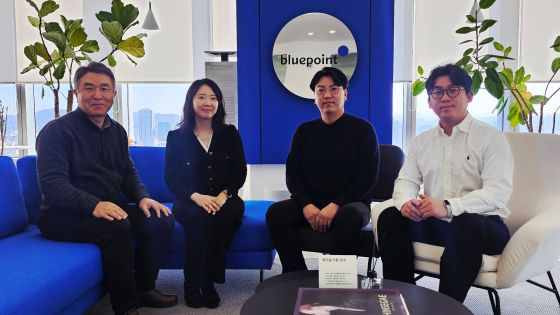
Nuclear power is once again drawing attention. With Czech Republic securing nuclear plant contracts, domestic construction of new reactors underway, and the passage of a special law for SMRs (Small Modular Reactors), both market forces and policy are moving in tandem. Meanwhile, surging electricity demand driven by the spread of AI (artificial intelligence) and data centers has elevated nuclear power as a 'practical choice' once more. These changes are opening new opportunities not only for large corporations but also for deep-tech startups led by next-generation technologies. At this pivotal moment when private sector initiatives are ushering in what is being called the 'Second Nuclear Renaissance,' three entrepreneurs who previously worked at the Korea Atomic Energy Research Institute have gathered to discuss their challenges in next-generation nuclear reactors, nuclear fusion, and core materials.
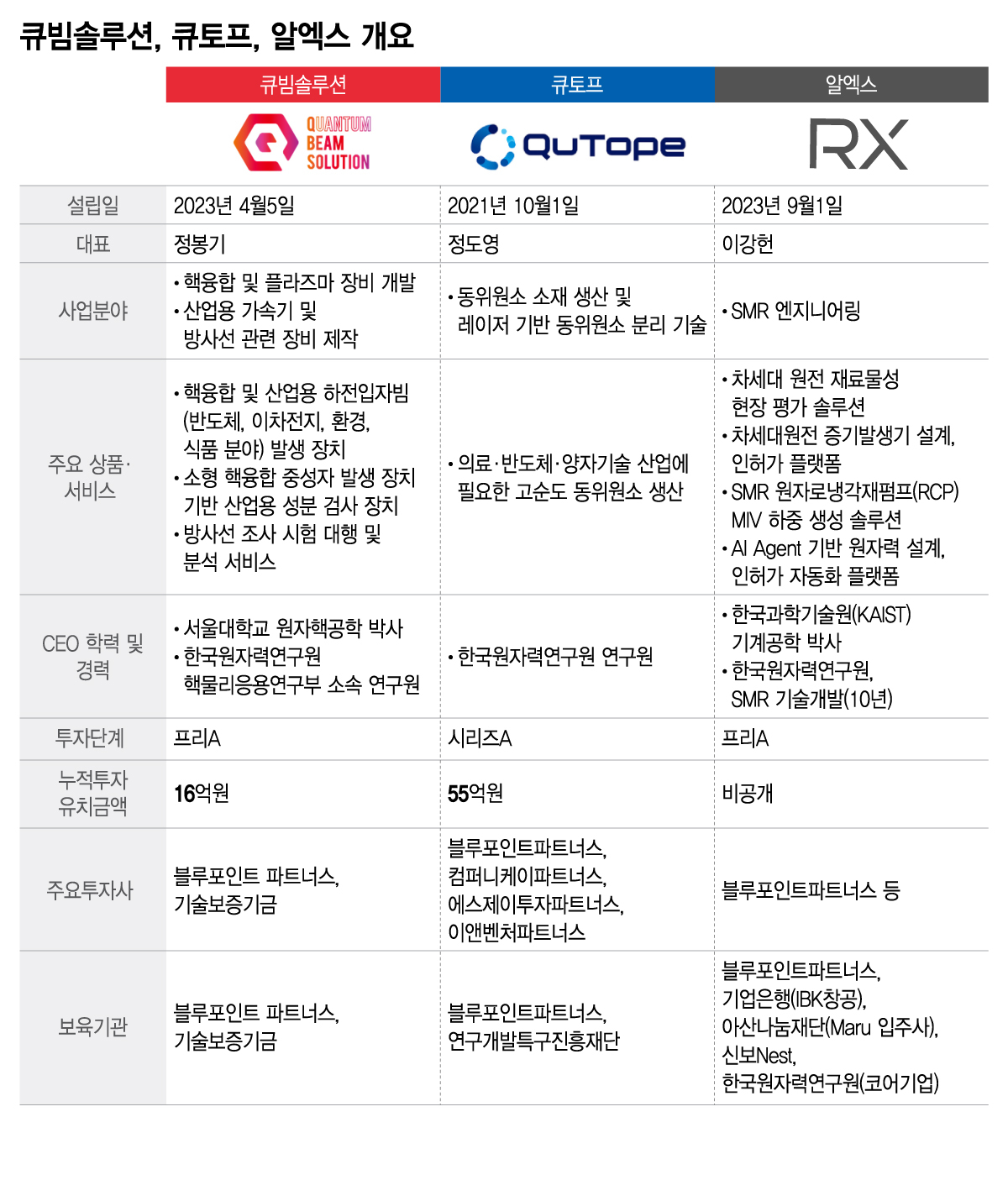
The protagonists are Jeong Do-young of Q-Top, which produces key materials for next-generation reactors using ultraviolet fiber-optic laser-based isotope separation technology; Jung Bong-gi of Q-Beam Solutions, developing a compact nuclear fusion neutron generator; and Lee Kang-heon of ALX, a next-generation nuclear engineering startup with proprietary technologies such as a helical steam generator design platform. Through conversations held recently at the Bluepoint Partners Daejeon meeting room in Expo Tower, Yuseong-gu, Daejeon, we explored what opportunities and limitations the Korean nuclear industry currently faces, and how private deep-tech companies are seeking breakthrough strategies.
-What was the reason for deciding to become an entrepreneur rather than remain a researcher?
▶Jeong Do-young:I conducted laser-based isotope separation research for 30 to 40 years, but since 2010 I have felt significant changes in the industrial environment. Previously, isotopes were primarily used for national security and military purposes (defense), but demand has rapidly increased in civilian sectors such as semiconductors, biotechnology, and energy. With support from the Ministry of Science and ICT, we conducted research on oxygen and carbon isotope separation and achieved results, which gave me confidence that I could develop technologies needed by the market. Although the technology scale is large and commercialization takes considerable time, I wanted to take on the challenge.
▶Jung Bong-gi:I decided to start a company after being selected for an accelerating program jointly conducted by GS and Bluepoint Partners. During approximately one year of startup preparation support, my technology was linked to the battery sector, attracting interest from GS Energy. After meeting with corporate executives, I became convinced that this technology was needed in the market. Subsequently, I established a corporation, and after being selected for the Deep Tech Tips program supporting technology-based startups, I officially began operations.
▶Lee Kang-heon:I judged that as the nuclear power market expands rapidly, much greater opportunities are opening up in design and engineering fields. Rather than remaining a researcher, I wanted to dive directly into the field and develop technologies that the market demands.
-What is the current level of technological maturity, and what challenges remain before commercialization?
▶Jeong Do-young:The nuclear industry is conservative, and licensing procedures are stringent, making 'market entry' the biggest barrier. Since last year, I have begun R&D (research and development) on nuclear materials as part of the TIPS project, focusing on developing special materials related to biotechnology, semiconductors, and quantum industries. Developing core materials with no alternatives is not easy, but securing a first-mover advantage could create opportunities.
▶Jung Bong-gi:The bigger issue than technology itself is 'verification and licensing.' Every component used in nuclear reactors must undergo strict certification, regardless of size, creating significant time and cost burdens that startups alone find difficult to bear. Ultimately, cooperation with public institutional investors such as Korea Hydro & Nuclear Power and specialized institutional investors is necessary. In particular, the 'compact nuclear fusion neutron generator' currently under development requires approval under the Nuclear Safety Act, but there are almost no precedents for production and sales licensing in Korea, so we are preparing by verifying each procedure from scratch.
▶Lee Kang-heon:Our nuclear RCP (Reactor Coolant Pump) load estimation technology is currently at TRL (Technology Readiness Level) 6 (prototype performance verification), and we plan to advance it to TRL 8 (pre-commercialization stage) through industrial field validation. Nuclear RCP load estimation technology calculates and predicts operational loads such as forces and vibrations acting on reactor coolant pumps (RCPs), evaluating equipment safety and structural integrity.
-What difficulties have you encountered while conducting your business recently?
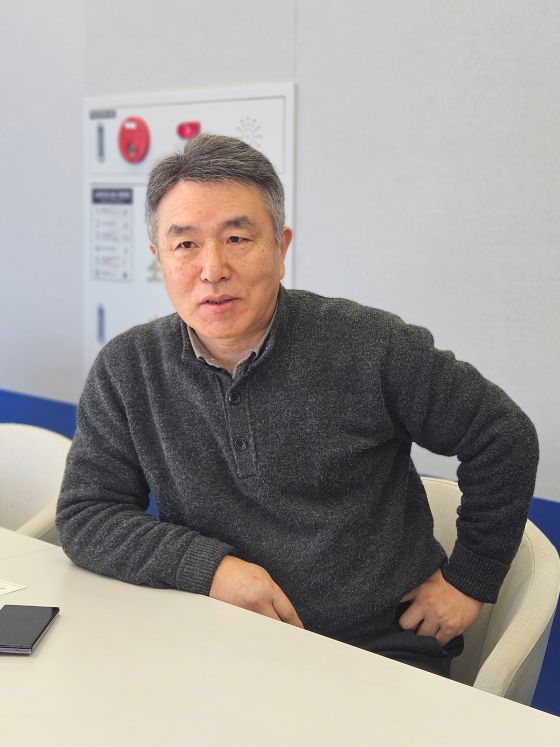
▶Jung Bong-gi:Equipment handling neutrons requires management of safety and waste disposal issues simultaneously, making it virtually impossible for startups to independently establish external experimental facilities. For example, even a radiation shielding facility alone costs approximately 3 billion won in construction expenses, which is burdensome for an early-stage startup. Therefore, collaborating with internal research institute facilities is a realistic solution.
▶Lee Kang-heon:Following the Fukushima accident, new hiring in the nuclear sector has declined, resulting in a severe shortage of personnel with design and licensing experience. We are therefore recruiting first-generation experts nearing retirement to build our team. Rather than developing entirely new reactors, we aim to strengthen design and engineering capabilities based on already proven technologies. In particular, since global markets for SMRs and next-generation nuclear reactors are larger, cooperation with domestic and international EPC (Engineering, Procurement, Construction) companies is crucial.
-What is the most efficient model for deep-tech startups to cooperate with public research institutions?
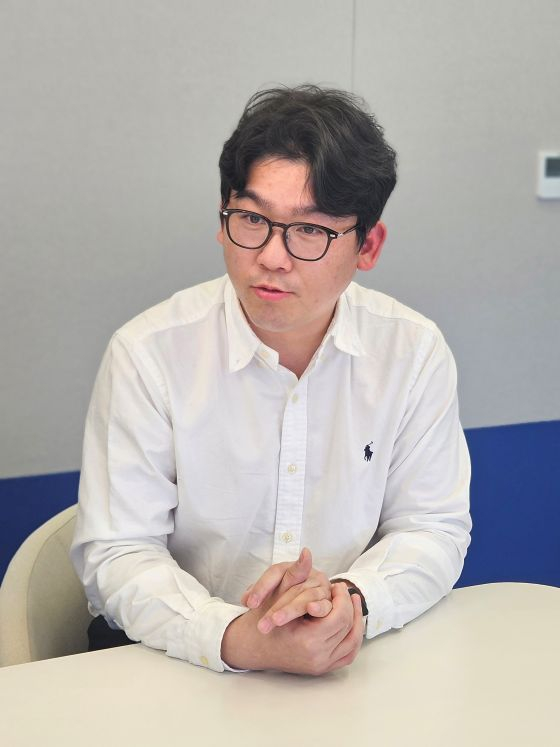
▶Jung Bong-gi:Research institutions possess strong technological capabilities but often move slowly due to administrative procedures. Purchasing even a small component can take weeks or months. In contrast, startups can operate quickly. Therefore, I believe the 'role-sharing cooperation' model, where research institutions focus on in-depth research and startups handle speed and execution, is the most realistic approach. However, since conflicts of interest or misunderstandings may arise during cooperation, there is a need to establish institutional frameworks to address these issues.
▶Jeong Do-young:Many technologies from government-funded research institutes stall at TRL 3–4 due to insufficient industrial foundations to advance further. A 'two-stage model' is needed where research institutions elevate technology to TRL 4–5, and startup companies then take over to commercialize it up to TRL 7–8. Simple technology transfer alone makes commercialization difficult. It is crucial for individuals who have conducted actual research to become entrepreneurs and create a 'relay structure' between public and private sectors.
▶Lee Kang-heon:Although the government has recently shown changes such as increasing privately led R&D projects, bolder institutional improvements are still needed. Technologies developed with national budget should be actively supported for commercialization through entrepreneurship. Currently, the global nuclear market is expanding rapidly. If technologies remain confined within research institutions, opportunities will be missed. The ideal scenario is a virtuous cycle where individuals knowledgeable about technology become entrepreneurs to commercialize it, and the resulting success returns to research institutions.
-How do you envision the nuclear industry changing over the next 10 years compared to today?
▶Jung Bong-gi:With strengthening carbon neutrality policies, nuclear power is likely to become a key source complementing renewable energy. Over the next decade, I expect the nuclear industry to form a broader industrial ecosystem by integrating with various advanced technologies. As SMR and other next-generation reactor technologies achieve commercialization, companies with new business models will continue to emerge in related fields such as nuclear fuel, materials, safety technology, and engineering.
▶Lee Kang-heon:Although the market has suddenly expanded, this momentum may not last forever. Companies that fail to secure competitiveness within three years could be eliminated. From an industry-wide perspective, 2030 is likely a turning point. SMRs must demonstrate actual operation next to data centers. Once real-world cases emerge, related markets for inspection, decommissioning, and engineering will also grow. However, SMRs are not the only solution. Parallel development with existing large-scale reactors and integration with other energy industries remain important.
▶Jeong Do-young:The next 5 to 10 years will hinge on 'economic viability.' If SMRs can secure cost competitiveness, they will play a significant role in solving electricity and energy challenges. Before the 2011 Fukushima accident, there was talk of a 'Second Nuclear Renaissance.' Although it declined after the accident, I believe we are now entering another new renaissance period. Until 2035, the private sector-led nuclear industry must demonstrate tangible results.
[MoneyToday Startup Media Platform Unicorn Factory]

 in TECH


