

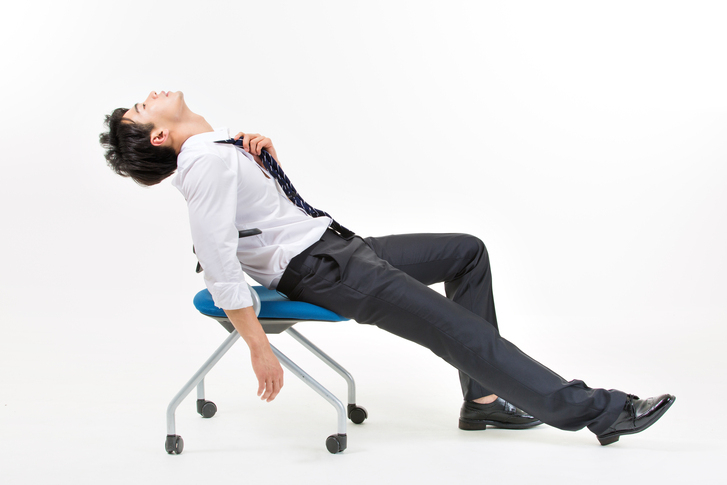
On the first day back to daily life following the four-day Chuseok holiday, many people find it difficult to hold on by willpower alone. The main causes of post-holiday fatigue are cited as a heavy body due to weight gain, accumulated sleep debt from irregular sleep patterns, and muscle soreness. Here is what you should do and what you should avoid to return to your routine quickly.
Weight gain… Strength training followed by aerobic exercise recommended
If you ate more high-calorie foods than usual during Chuseok, such as Jeon (Korean pancakes), Galbi-jim (braised short ribs), Japchae (glass noodle stir-fry), and Songpyeon (half-moon rice cakes), or if your physical activity decreased during the holiday, or if your lifestyle patterns changed by eating late into the night, your weight can easily increase. Unused carbohydrates remaining in the body are converted into fat. As a result, it is easy to gain 1 to 3 kg during the holiday period.
This is why interest has grown in so-called “quick-gain-quick-loss” diets aimed at rapidly shedding holiday weight. However, Lee In-sun, a [specialty] at Ewha Womoe University Seoul Medical Center, warned, “If you starve or drastically reduce carbohydrate intake, your weight may drop quickly in the first few days, but much of that loss is due to reduced glycogen and water, not necessarily a corresponding reduction in body fat.” He added, “On the contrary, intense hunger after dieting can lead to overeating, and symptoms such as dizziness, headaches, fatigue, constipation, and gallstones may appear.”
After the holiday, rather than fasting unconditionally, it is better to return to your usual eating habits and daily rhythm starting from the next meal. Reducing food portions, snacks, alcohol, and sugary drinks by just 500 kcal per day can lead to an expected weight loss of about 0.5 kg per week. Additionally, at least 150 minutes (2 hours and 30 minutes) of moderate-intensity aerobic exercise per week and strength training at least twice a week can be helpful.
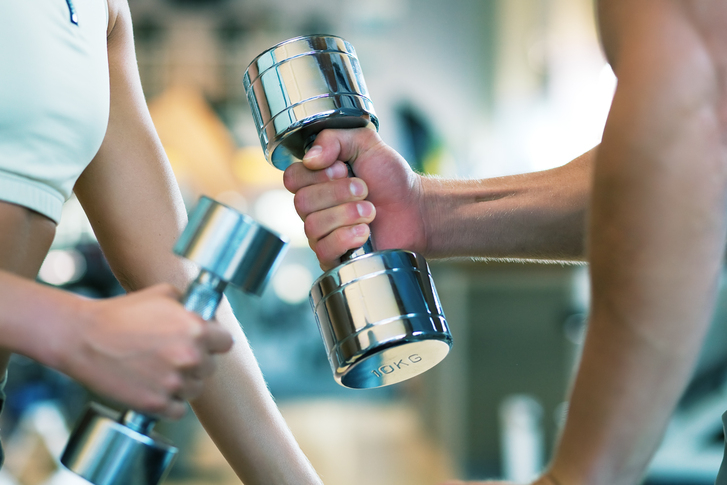
At this time, performing strength training first, followed by aerobic exercise, may be effective for weight loss. During strength training, the body utilizes glycogen, a carbohydrate stored in muscles. After glycogen is depleted, engaging in aerobic exercise causes the body to use “fat” as its primary energy source, thereby actively burning body fat.
In fact, a joint research team from China’s Capital University of Physical Education and Fujian Normal University conducted a study on 45 overweight or obese men over three months. The participants performed the same exercise program three times a week for one hour each day, but with different exercise orders to compare and observe the effects. As a result, the group that performed strength training first lost more body fat and visceral fat than the group that started with aerobic exercise, and also demonstrated superior ability to exert maximum force during strength training.
Sleep debt… Pay it off by napping for 20 to 60 minutes before 3 p.m.
During the holiday period, eating late-night snacks or staying out late can easily disrupt your usual sleep pattern. In such cases, if you go to bed at your usual time after returning to daily life, you may have trouble falling asleep, leading to reduced sleep duration. If adults and adolescents sleep less than the recommended amount (7 to 9 hours) per day, “sleep debt,” or sleep deprivation, accumulates. For example, if a person who usually sleeps 8 hours slept only 5 hours each night for the past week, they would have accumulated 15 hours of sleep debt.
Sleep rhythm is closely related to the human biological clock. Our bodies naturally maintain a 24-hour circadian rhythm. Sun Woo-jun-sang, a [specialty] at Gangbuk Samsung Medical Center, warned, “If you disrupt these sleep patterns by sleeping during the day or reversing your day-night cycle, you may feel more tired even if you sleep for a long time.”
When sleep debt occurs, it is desirable to pay it off gradually each day starting from the next day. In other words, it is better to pay it off in “installments” rather than as a “lump sum.” For example, if you went to bed late today, you can take a nap of 20 minutes to a maximum of one hour during lunchtime tomorrow. Alternatively, going to bed one or two hours earlier than usual for several days is also a good way to repay sleep debt. However, naps should not extend past 3 p.m., as late-afternoon naps can interfere with that night’s sleep.
Muscle soreness… Cold compress on days 1 and 2, warm compress on day 3
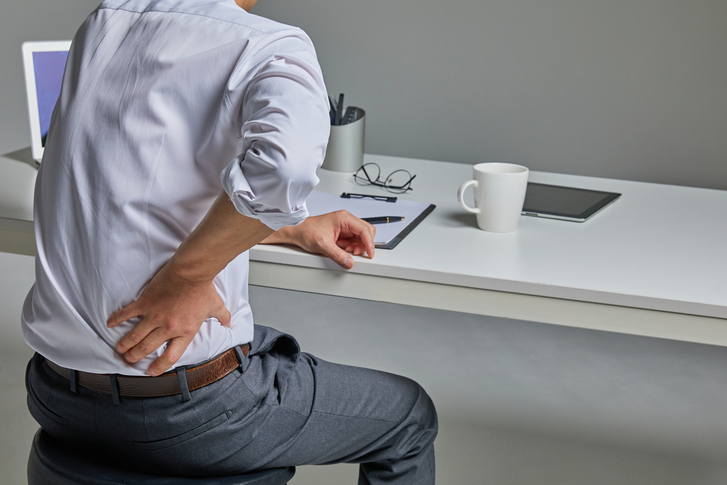
The number of people suffering from muscle soreness immediately after the holidays has surged due to strain on muscles from long drives, cooking holiday meals, and washing dishes. Staying in the same posture for extended periods in a confined space hinders blood circulation, and prolonged tension in the lower back and shoulder muscles can easily lead to the accumulation of fatigue substances in the muscles.
Cold compresses are effective for muscle soreness as they reduce swelling and inflammation, while warm compresses promote blood circulation; therefore, combining cold and warm compresses is recommended. However, it is effective to apply cold compresses on the first and second days after muscle soreness occurs, followed by warm compresses thereafter. Park Hoo-jung, a professor in the Department of Anesthesiology at Seoul St. Mary’s Hospital, advised, “Immediately after a long drive, it is safer to avoid bending over to lift heavy objects or retrieving items from a vehicle for a while.”
Stretching is effective for relieving muscle tension, improving blood circulation, and alleviating fatigue. With your back straight, bend your elbow so that your hand goes behind your back, then press the bent elbow with your other hand. Hold this position for 15 to 30 seconds until you feel maximum stretch in the muscles, then repeat the same motion on the opposite side two to four times. This helps relieve muscle stiffness in the shoulders and neck.

 in THEBIO


