

The National Institute of Health (NIH) and the Korea Organ Transplant Research Group (KOTRY) plan to establish personalized patient management strategies utilizing advanced technologies such as artificial intelligence (AI), based on the "National Organ Transplant Cohort" accumulated over 12 years.
Based on research outcomes, they will supplement criteria for transplant allocation and the use of donated organs from elderly donors, while also working to advance the sophistication of accumulated transplant data.
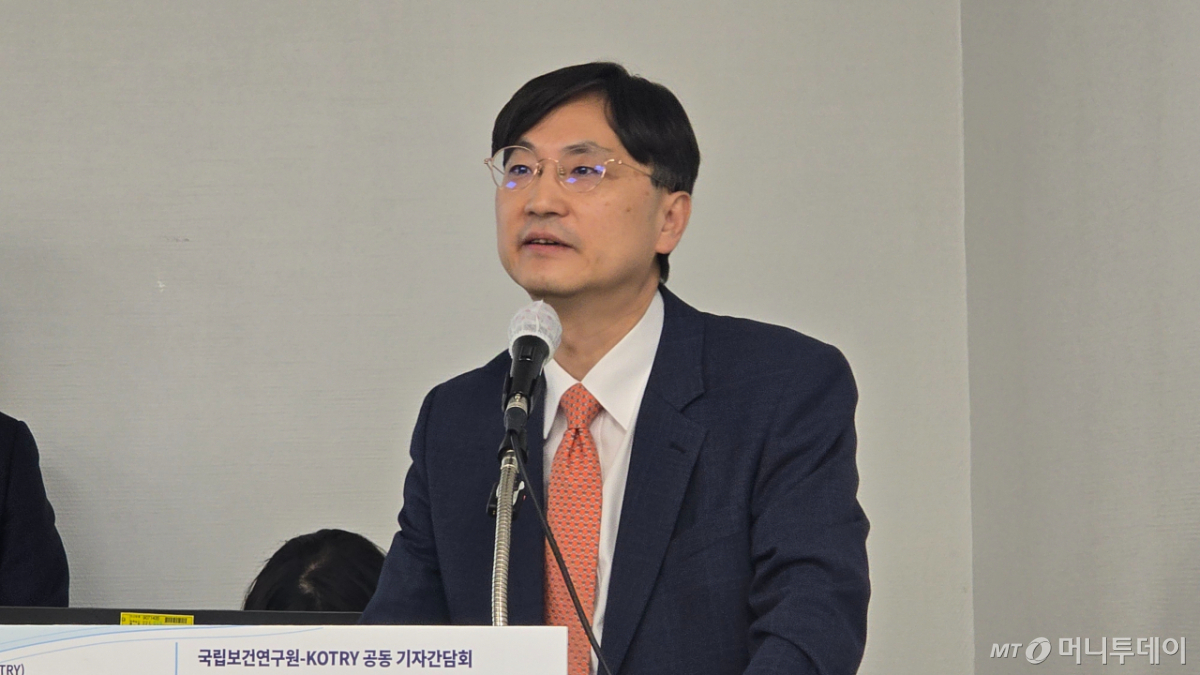
Yang Jae-seok, a professor of internal medicine at Yonsei University College of Medicine and lead researcher of KOTRY, said at a joint press conference with the NIH at Severance Hospital in Seodaemun-gu, Seoul on Friday: "We have begun the work of digitizing accurate pathological materials such as imaging data and tissues to integrate them into organ transplant cohort data."
He added, "We are advancing the sophistication of accumulated information so that it can be utilized as indicators for predicting the future through advanced technologies like AI."
Since 2014, KOTRY has been accumulating national transplant cohorts related to five organs—kidney, liver, heart, lung, and pancreas—with support from the National Institute of Health. As of last month, the number of registered patients is 26,571, with 88 transplant centers nationwide participating. The cumulative number of registered patients by organ is: △Kidney 15,167 △Liver 9,058 △Heart 1,349 △Lung 670 △Pancreas 327.
KOTRY plans to establish personalized strategies to predict patient-specific risks and other factors by combining AI with genomic information in the future.
It will combine genomic, imaging, and pathological materials with existing clinical information and link them with national resources such as health insurance prescription data and death registration records to enhance data utility. The group also plans to collect indicators analyzing patients' quality of life after transplantation and reflect them in research.
Key research outcomes are reflected in national policy. Representative examples include the development of the "Korean Donor Kidney Predicted Outcome Index" (K-KDPI), a tool for evaluating donated kidneys, and "K-EPTS," an indicator predicting the life expectancy of recipients after kidney transplantation.
The Korea Organ Procurement Foundation (KONOS) has incorporated into policy since 2021 the criterion classifying K-KDPI scores of 70% or higher as "expanded criteria donor kidneys," based on this research.
Recently, as the age of brain-dead donors has increased and cases involving multiple diseases have risen, there has been an increase in donors falling under so-called "expanded criteria." Research has also reported that organs previously deemed unsuitable for donation can yield beneficial results for recipient survival if they meet allocation criteria, based on various recent studies.
KOTRY has presented research findings aimed at improving transplant criteria not only for kidneys but also for other organs. A study analyzing 628 heart transplant patients found that patients aged 65 and older who had walking ability showed no significant difference in survival rates compared to younger patients.
In liver transplant-related research, patients who received livers from hepatitis B-positive donors showed similar survival outcomes to those who received livers from negative donors. Regarding lung transplantation, KOTRY has proposed new urgency classification criteria and submitted a proposal for institutional improvement to the government.
South Korea ranks 6th in the world and 1st in Asia in the number of organ transplants. Surgical outcomes are also excellent, with 10-year post-transplant survival rates of 91% for kidneys and 80% for livers.
However, as the supply-demand imbalance between donors and recipients intensifies, institutional supplementation to resolve this is urgently needed. Professor Yang stated, "While demand for organ transplants is exploding due to aging, the number of donors is decreasing," adding, "In Korea, an average of 8.5 people die every day without receiving a transplant."
Indeed, the number of domestic patients waiting for organ transplants increased from 39,261 in 2021 to 46,550 last year, while the number of brain-dead organ donors decreased from 442 to 370 during the same period.
As of August this year, the number of patients waiting for organ transplants has risen to 48,456. The consent rate for organ donation from presumed brain-dead individuals dropped from 36.7% in 2021 to 28.2% last year, breaking below the 30% range.
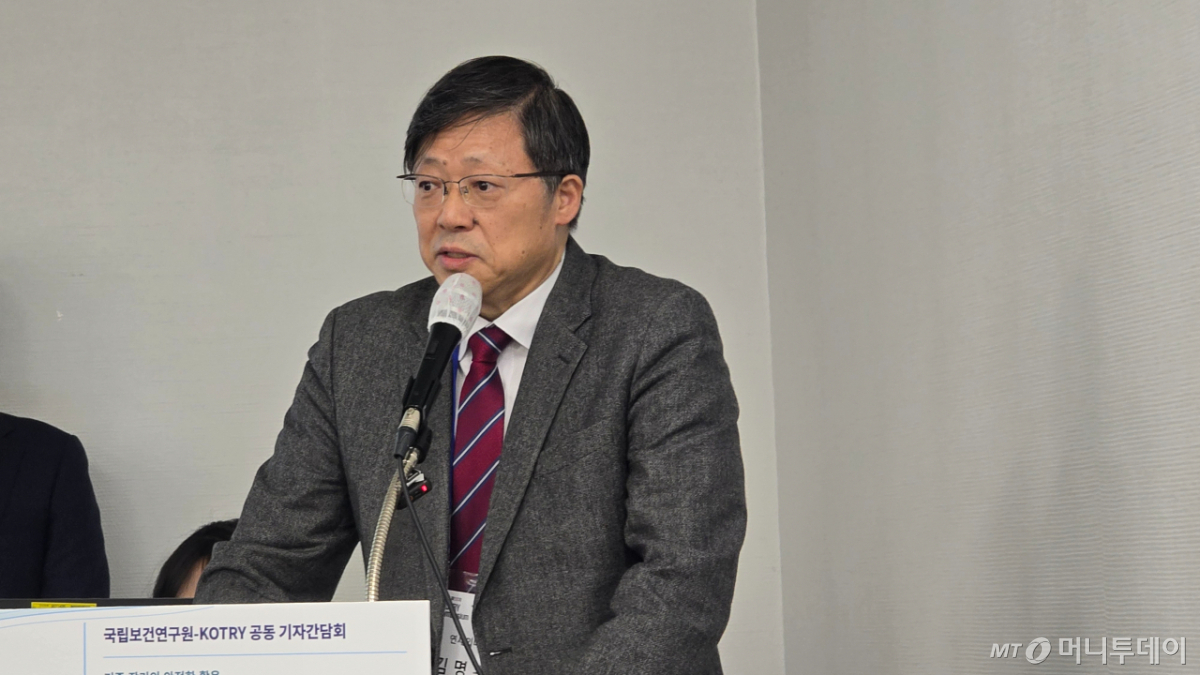
Kim Myung-soo, president of the Korean Society for Transplantation, stated, "It is impossible to regulate the production and supply of organs as if they were goods. What matters now is how effectively we can operate within the scope of current (donated organ) resources. Significant long-term effort is required to achieve visible results."

 in THEBIO

