

The government will improve regulations to allow the use of safe over-the-counter medicines, such as antipyretic analgesics and cold medicine, at military bases and airports that do not have a pharmacy nearby.
It will also allow military civilian personnel at military medical facilities to receive medications directly dispensed by physicians, and plans to permit the handling of motion sickness medication in islands, remote areas, and other similar locations.
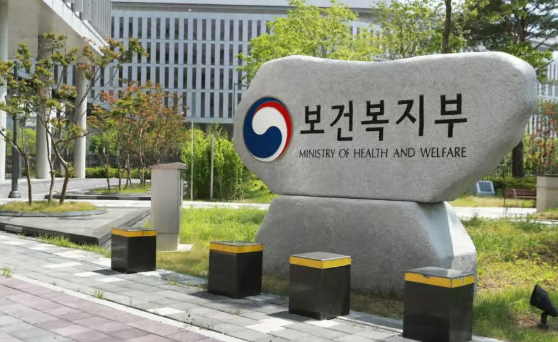
The Ministry of Health and Welfare announced that it will begin legislative and administrative public notice on the 12th for revised drafts of the "Enforcement Decree of the Pharmacy Act" and the notice "Designation Regarding the Handling of Pharmaceuticals at Special Locations," which include these contents.
This revision reflects requests for regulatory improvement from relevant ministries such as the Ministry of National Defense and the Ministry of Land, Infrastructure and Transport, as well as recommendations from the National Human Rights Commission and the Board of Audit and Inspection.
First, the scope of personnel who can receive medications directly dispensed by physicians at military medical facilities will be expanded from military personnel to include military civilian personnel.
The current Enforcement Decree of the Pharmacy Act allows military personnel to immediately receive medications after receiving treatment at a military medical facility, but does not apply to military civilian personnel. The Ministry of Health and Welfare plans to apply the same criteria to military civilian personnel to improve access to pharmaceuticals for workers in medically underserved areas.
The number of personnel who can handle pharmaceuticals on behalf of others at remote military bases will also be expanded. Currently, medications used pursuant to telemedicine are handled by medical corpsmen, but difficulties in securing medical corpsmen recently have led to restrictions on the supply and use of pharmaceuticals.
Going forward, military civilian personnel holding licenses as physicians, pharmacists, nurses, or emergency medical technicians will also be allowed to handle these medications on behalf of others.
At units where no military physician is stationed and there is no pharmacy or safe over-the-counter medicine sales outlet within a 3-kilometer radius, a unit member designated by the unit commander will be able to handle safe over-the-counter medicines on behalf of others.
The target pharmaceuticals include a total of 11 items: three types of antipyretic analgesics, two types of cold medicine, four types of digestive aids, and two types of pain relief patches.
The same method will be applied to airport passenger terminals that lack a pharmacy or safe over-the-counter medicine sales outlet. A person designated by the airport operator will be allowed to handle safe over-the-counter medicines on behalf of others, so that travelers can use them when they suddenly need medication for headaches, fever, or other conditions.
In special locations with low access to pharmaceuticals, such as islands and remote areas, the handling of antiemetics (motion sickness medication) will be newly permitted.
Currently, in these regions, some general medicines such as digestive aids, antipyretic analgesics, and antidiarrheals can be handled, but motion sickness medication, which is in high demand when using ships, has been excluded from the scope.
The price criteria for pharmacies supplying pharmaceuticals to special locations will also be relaxed. The current system stipulates that pharmacies must supply pharmaceuticals at a price 15% discounted from the actual selling price.
The revised draft allows the supply price to be set within the range of not exceeding the pharmacy's consumer selling price, in order to encourage pharmacy participation in supply.
The pharmaceutical handling system for special locations is a regime that allows non-pharmacists to handle or sell certain pharmaceuticals on behalf of others under the management and supervision of nearby pharmacy owners at islands, remote areas, trains, aircraft, ships, and other places without pharmacies.
The Ministry of Health and Welfare plans to finalize the revised drafts after gathering public opinion. Opinions on the revised Enforcement Decree of the Pharmacy Act can be submitted until December 22, and opinions on the revised notice regarding pharmaceutical handling at special locations can be submitted until December 2, through the Pharmaceutical Policy Division of the Ministry of Health and Welfare or the National Participation Legislative Center.

 in THEBIO
