

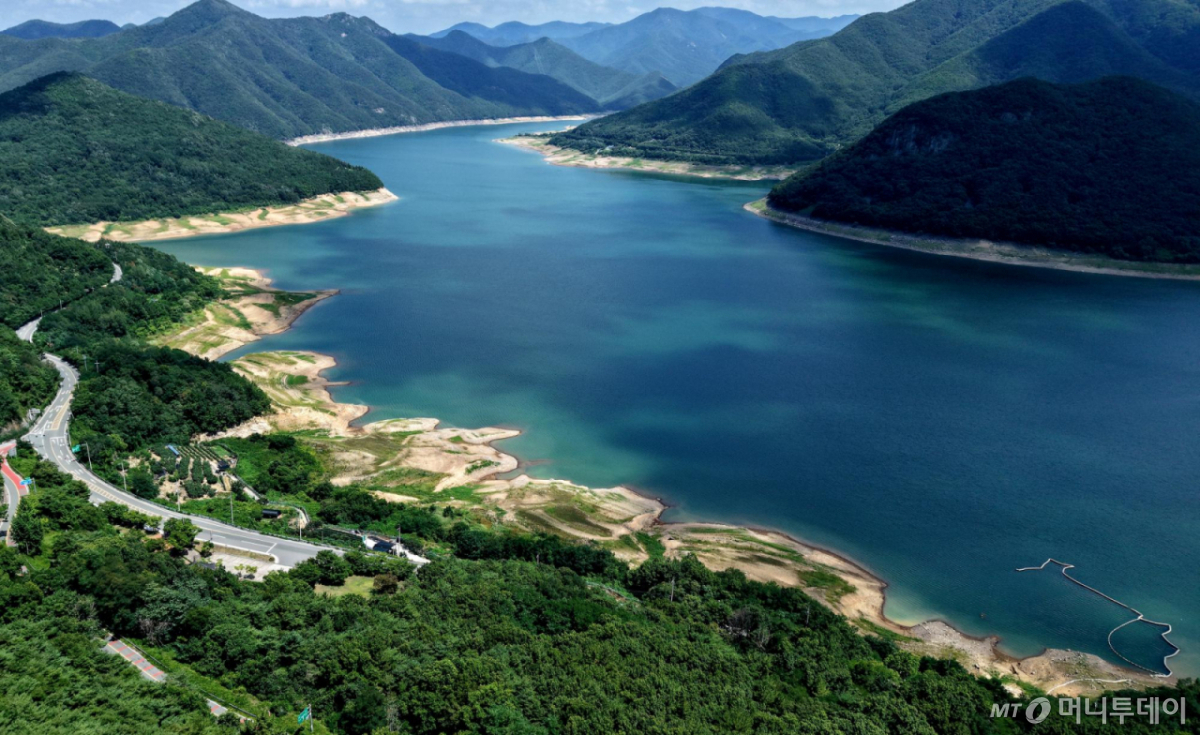
Even during the rainy season, drought conditions are intensifying at major dams in southern Korea, shaking the long-held assumption that reservoirs should be filled during flood season to secure year-round water supply. As securing dam storage becomes increasingly difficult, the government is adjusting water allocation by prioritizing domestic and industrial water supply and utilizing alternative water intake sources.
According to the Ministry of Climate, Energy and Environment on the 3rd, Pyeongnim Dam in the Yeongsan River basin has entered the 'warning' drought stage as of the previous day, while Miryang Dam in the Nakdong River basin was upgraded to the 'alert' stage. Earlier, on the 15th of last month, Unmun Dam, a major water supply dam for Daegu and Gyeongbuk, reached the highest level, 'severe'. As major dams in southern Korea continue to enter drought stages, concerns about water shortages are growing even during the rainy season.
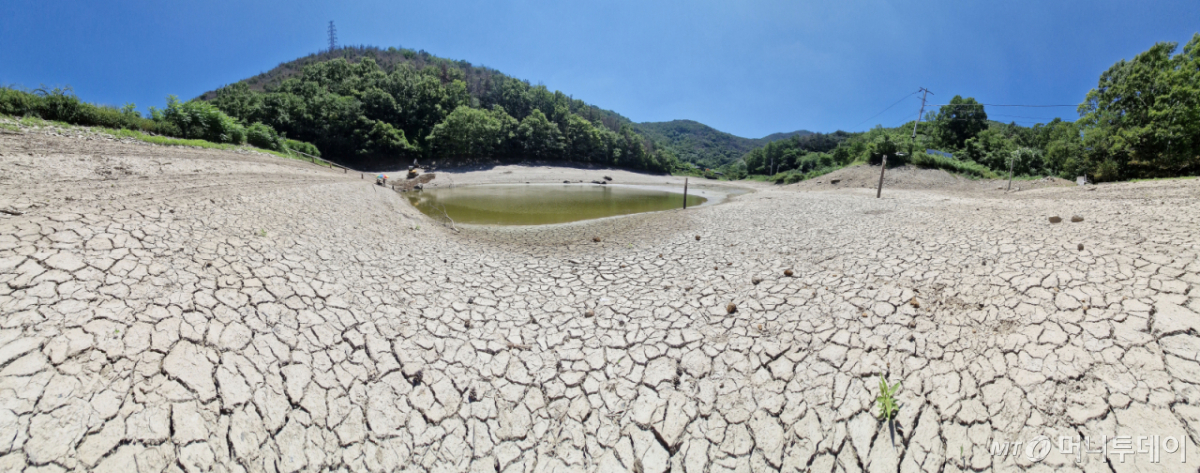
The lack of rainfall in southern Korea is unprecedented compared to previous years. The annual rainfall in the Pyeongnim Dam basin this year stood at 525mm, only 64% of the historical average. In particular, rainfall in the Miryang Dam basin reached just 50mm since the official start of flood season on June 21, merely 12% of the typical amount. Despite flood season being the critical period for securing reservoir storage through concentrated summer rains, drought conditions at major dams in southern Korea are instead worsening.
Consequently, the existing water management system, which relied on storing water during flood season to meet year-round demand, is facing increasing strain. To prioritize domestic and industrial water supply, the government is applying a standard that first reduces river maintenance flow and then gradually cuts agricultural water usage.
Miryang Dam plans to replace 8,000 tons of daily domestic and industrial water supply for Yangsan City and Miryang City with alternative intake from the Miryang River and Nakdong River, while reducing agricultural water use by up to 91,000 tons per day based on actual usage and rainfall conditions.
Pyeongnim Dam is also securing up to 15,000 tons of daily water supply from Suyangje, a nearby agricultural reservoir, while reducing river maintenance flow and agricultural water use by up to 4,000 tons each per day. Unmun Dam is similarly reducing river maintenance flow and pursuing alternative intake using the Nakdong River and Geumho River.
This drought in southern Korea demonstrates that the existing water management system, which assumed flood season as a stable period for reservoir storage, is facing new climate conditions. While it was previously common to utilize stored water secured through concentrated summer rains throughout the dry season, increasing regional rainfall variability even during the rainy season has heightened the importance of diverse water supply measures such as alternative intake and dam-river connectivity.
Accordingly, the government is strengthening its response system by moving away from reliance on a single dam or reservoir toward connecting dams, rivers, and emergency diversion channels to enable water supply from alternative sources during emergencies.
A climate ministry official stated, "As climate change increases the variability of rainfall patterns, it is crucial to establish a system that connects multiple reservoirs rather than relying on a single one, enabling alternative intake even in emergency situations." The official added, "Through the basic plan for water resource management in river basins, we are predicting water shortages and progressively implementing necessary projects such as securing emergency diversion channels and alternative reservoirs."

 in ECONOMY

