

[For more diverse corporate information on startups mentioned in this article, please visit the Unicorn Factory big data platform 'Data Lab'.]
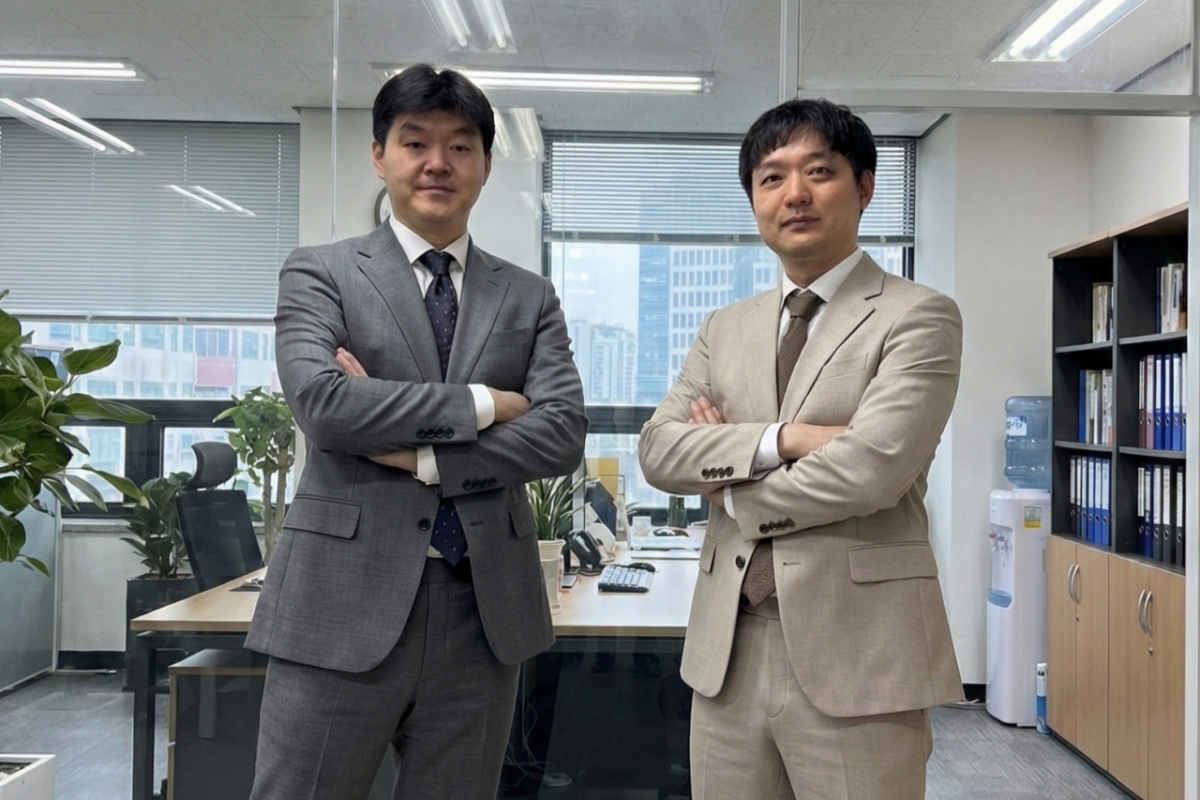
"Technology capable of detecting cancer earlier already exists. The problem is price. Our goal is to make precision genetic diagnostics, previously available only at university hospitals, accessible at local health checkup centers."
Jung Min-seop and Kim Won-jae, co-founders of the precision gene analysis startup AllWayGen, have challenged the 'price barrier' in the early cancer detection market. They aim to drive mass adoption by reducing examination costs to one-tenth of the current level in a market dominated by expensive equipment for early cancer screening.
The technology that AllWayGen has focused on is 'digital PCR (polymerase chain reaction)'. This is a precise analysis method capable of detecting minute genetic signals related to cancer present in trace amounts within blood. It can detect subtle genetic changes that appear even before cancer is confirmed through imaging tests such as CT or MRI, making it useful as an early detection tool.
However, existing equipment utilizing this technology has a complex structure and extremely high price. Skilled professionals are required for operation and result interpretation, inevitably leading to high unit examination costs. For these reasons, genetic diagnostics have remained confined to the specialized precision diagnosis market.
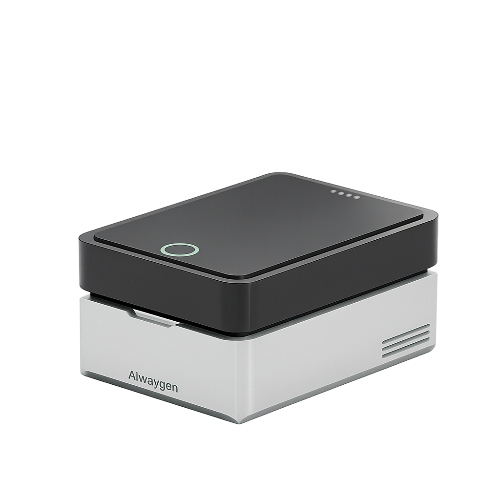
AllWayGen has taken on the challenge of solving this problem through structural innovation in diagnostic equipment. The diagnostic device being developed by them, which applies 'pdPCR (patterned digital PCR)', focuses on simplifying the complex structure of existing equipment.
While conventional methods relied on complex device configurations and precision control systems, pdPCR is designed to allow reactions to occur within a pattern structure fixed by polymerization. This approach maintains diagnostic precision while lowering equipment costs and operational burdens by simplifying the system. Kim Won-jae, co-founder, stated, "Once pdPCR is commercialized, examination costs could be reduced to approximately one-tenth of existing levels, or even one-twentieth based on production costs."
AllWayGen has completed the development of a prototype for its pdPCR diagnostic equipment, with commercialization targeted for next year. Jung Min-seop, co-founder, said, "We will secure funding through follow-up investments and government support programs to establish a sales network and officially begin product sales."
Furthermore, efficiency is maximized by incorporating AI (artificial intelligence) technology. Precision gene analysis requires interpreting tens of thousands of reaction signals, making the reading process difficult. AllWayGen has introduced an AI-based automatic reading system that automatically classifies fluorescence signals and calculates quantitative values. This enhances operational efficiency, allowing even non-experts to easily obtain reading results at hospitals.
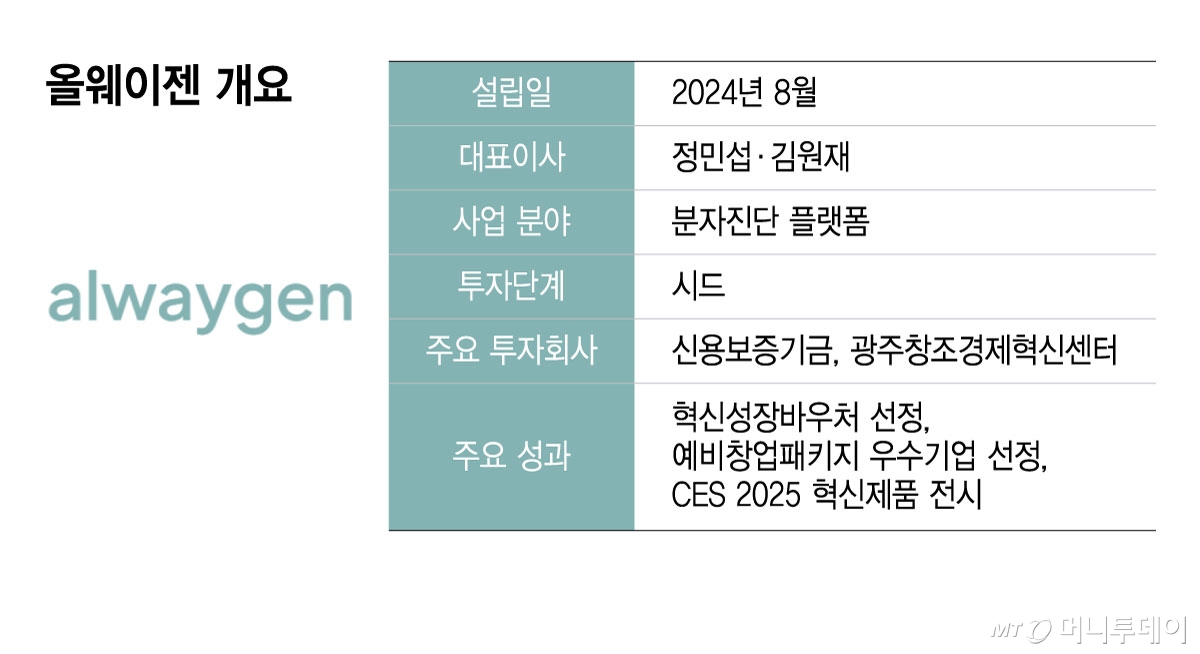
The background behind AllWayGen's ability to rapidly advance its technology lies in the support from the Gwangju Creative Economy Innovation Center (Gwangju Innovation Center). Jung, a professor of chemical engineering at Hongik University, had been researching the technology since 2013. He teamed up with his student Kim to launch the startup, but the initial commercialization process was not smooth. At this time, the acceleration provided by the Gwangju Innovation Center proved highly beneficial.
Last November, AllWayGen secured a direct investment of 100 million won from the Gwangju Innovation Center, followed by being selected for the Ministry of SMEs and Startups Tips (TIPS) program in December.
It was not merely financial support. The Gwangju Innovation Center provided practical incubation programs ranging from IR consulting for investment attraction to supporting costs for prototype production and certification acquisition. In particular, through its Japan expansion program, it created opportunities to meet with local investors and officials from the Japan External Trade Organization (JETRO), laying the groundwork for global expansion.
AllWayGen plans to pursue a 'two-track' strategy that simultaneously commercializes pdPCR diagnostic equipment and generates revenue. Initially, they aim to establish a stable revenue base through the sale of diagnostic equipment while simultaneously advancing pdPCR technology. This will enable early cancer detection, previously confined to expensive specialized tests, to be conducted at health checkup centers and by professional testing institutions at reasonable costs.
Jung, co-founder, stated, "For an early-stage company, funding is important, but the consulting and infrastructure support provided by the Gwangju Innovation Center, which helped establish a clear business direction and allowed us to focus entirely on technology research, was a great source of strength."
"[MoneyToday startup media platform Unicorn Factory]"

 in FUTURE


