

[For more diverse corporate information on startups, you can view it in Unicorn Factory's Big Data platform Data Lab.]
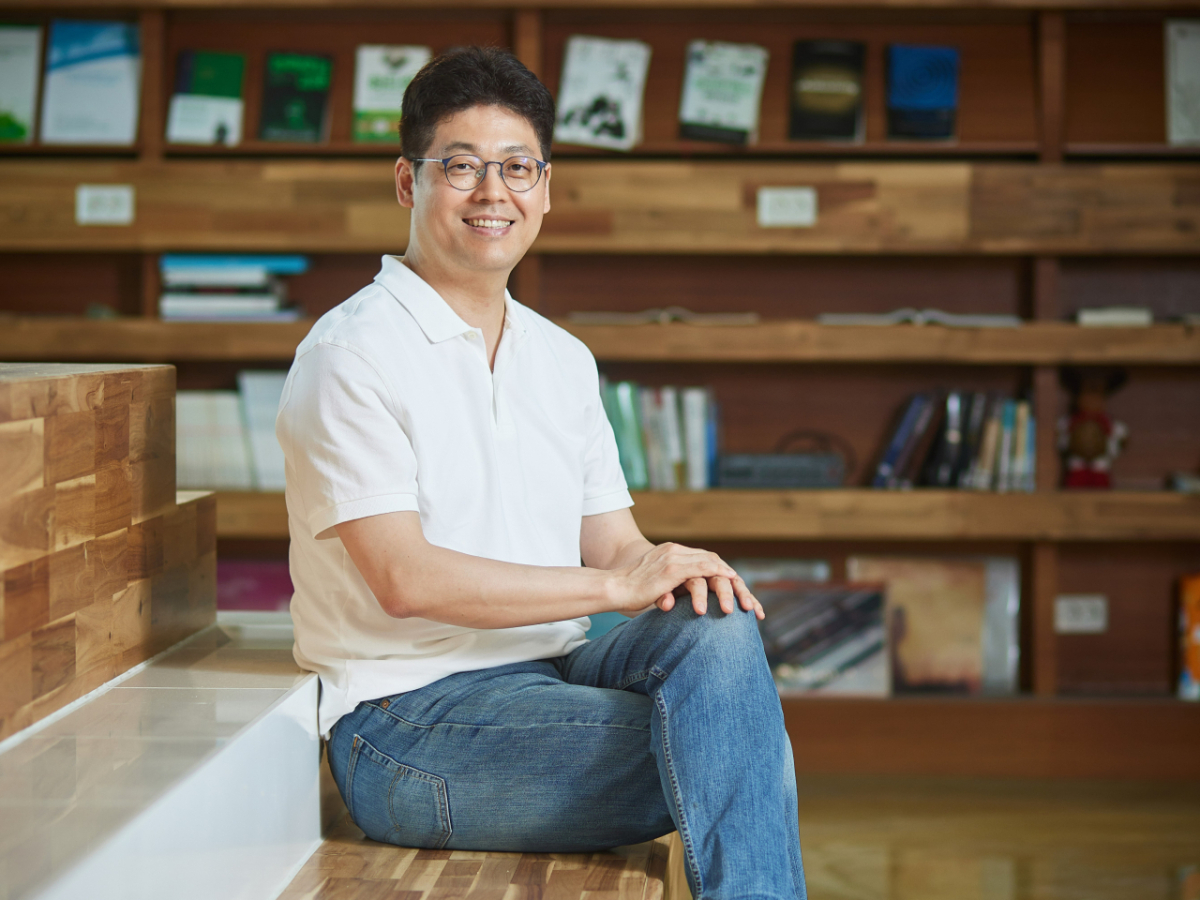
"Food tech (the combination of food and technology) is not merely a technology for making food, but a means to solve the universal human needs of 'health' and 'convenience.'"
The Lee Gi-won (CEO) of Seoul National University's subsidiary 'Bobsnu' (BOBSNU) stated this, saying, "The core value of food tech lies in providing customized healthcare solutions that meet the distinct needs of everyone from infants to the elderly according to their life cycle."
He emphasized, "Food tech encompasses all technologies that maximize health and convenience, such as AI recommending menus, robots cooking, and autonomous delivery. Therefore, Samsung Electronics, which makes the world's best cooking appliances, and Coupang, which possesses massive logistics data, can also be viewed as food tech companies."
Lee Gi-won (CEO) also serves as co-chairman of the 'World FoodTech Council,' an organization bringing together food and life science experts from Seoul National University and institutional investors related to food tech globally. He founded Bobsnu in March 2012 to solve dietary issues related to eating through next-generation convergent technologies.
Bobsnu's core business model is precision nutrition solutions. It is building a data-algorithm-proof platform for personalized diet recommendations, design, and material development based on life cycle, gender, disease, and genome, and is implementing the commercialization of precision nutrition technology based on this.
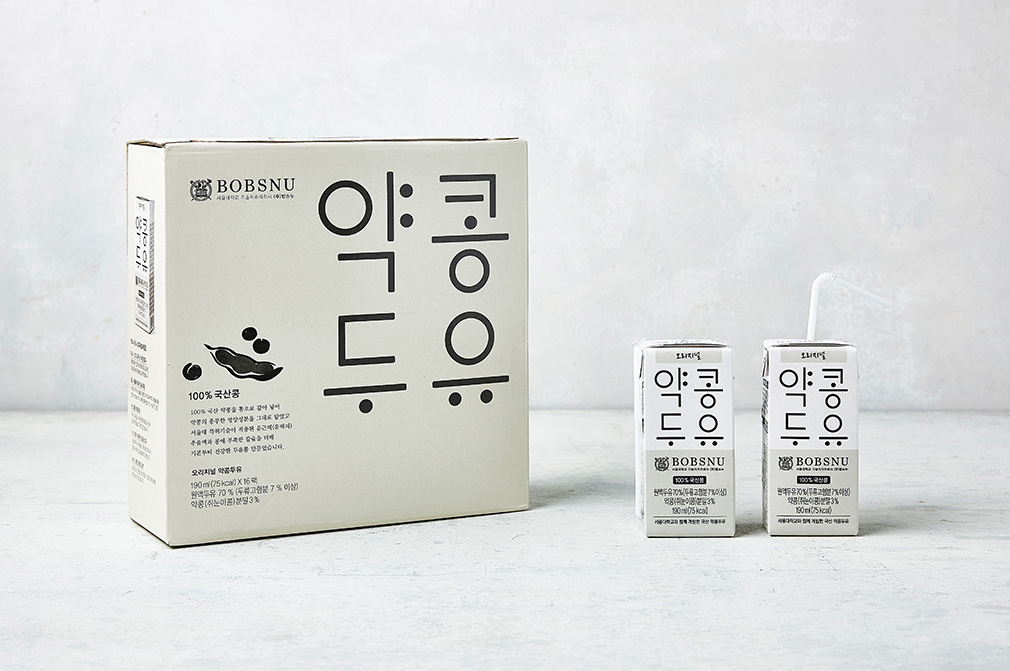
A representative product is 'Medicinal Bean Soy Milk.' Unlike existing soy milk made from imported yellow beans with additives such as sugar emulsifiers added to the water-soluble extract after removing the okara, this product was developed after discovering that domestic medicinal beans are superior in nutrition and function compared to cow's milk or yellow beans.
Medicinal beans directly contracted for cultivation in Gangwon-do are ground into ultra-fine powder, and roasted medicinal beans are added without additives such as sugar emulsifiers to improve functionality and taste. In addition, the product line has been expanded into lifestyle areas including medicinal bean protein bars, functional anti-hair loss shampoo, medicinal bean pet soy milk, and health functional foods.
Lee (CEO) stated, "We do not aim for traditional F&B businesses that only sell finished products like Medicinal Bean Soy Milk. We will evolve into a tech company that expands medicinal bean-derived functional materials into cosmetics or pharmaceuticals and manages individual health based on data."
The reason for focusing on medicinal beans is also linked to ethical values. He said, "Plant-based protein has high value as an alternative to solving unethical cattle farming environments or environmental pollution issues," adding, "Solving social challenges and creating sustainable value is also the essence of a business."
"Korea can lead the global food tech market standard"
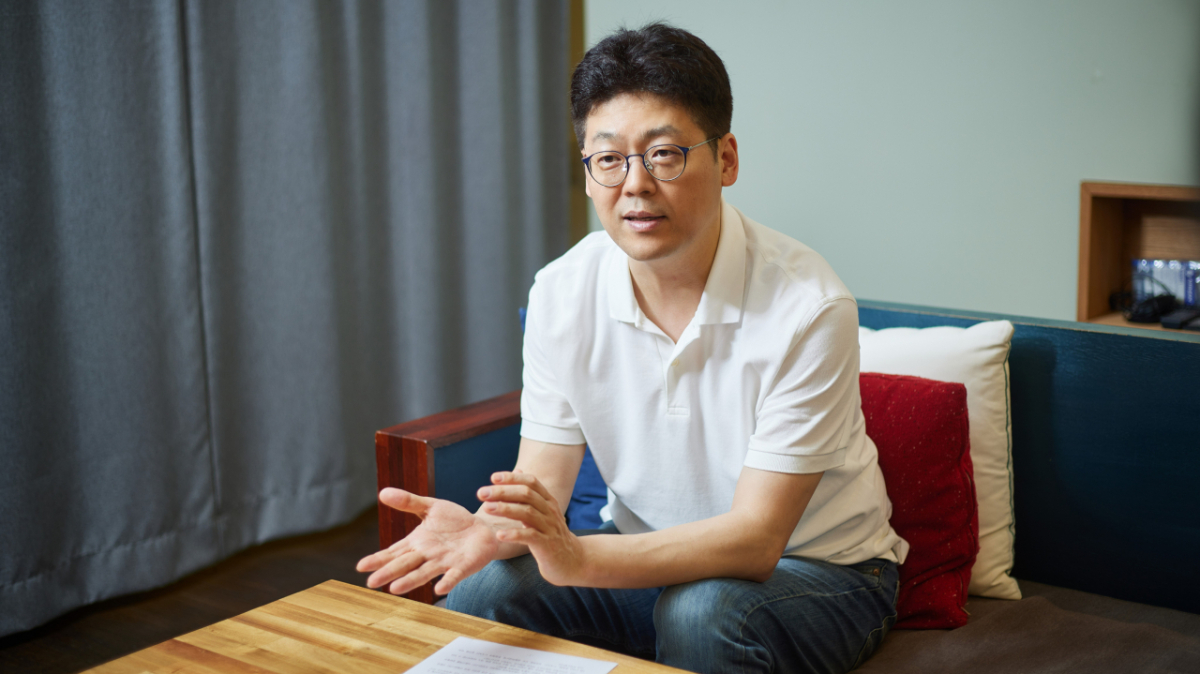
Lee (CEO) expressed confidence that Korea can lead the global food tech market standard. He said, "Korea is the fastest in the world to adopt new technologies," and added, "The AI-based bio-content (food, beauty, medical) industry will become our third key industry following semiconductors and automobiles."
To achieve this, he argued that the introduction of 'Physical AI,' where robots and AI assist human labor, is essential, and the food industry must be transformed from a labor-intensive sector into a technology-centered one.
In this regard, Lee (CEO) emphasized that the 'World FoodTech ConfEx' exhibition, to be held by the World FoodTech Council for four days from June 9 to 12 at KINTEX in Goyang-si, Gyeonggi-do, will serve as a platform to grasp the technological status and market trends of the food tech industry.
He stated, "This event, combining an awards ceremony (Prize), exhibition (Exhibition), and conference (Conference), will become what is known as the 'CES of the food tech industry.' Through this platform, which will see participation from companies and institutional investors in over 30 countries, Korea will highlight its role as a hub in the global food tech ecosystem."
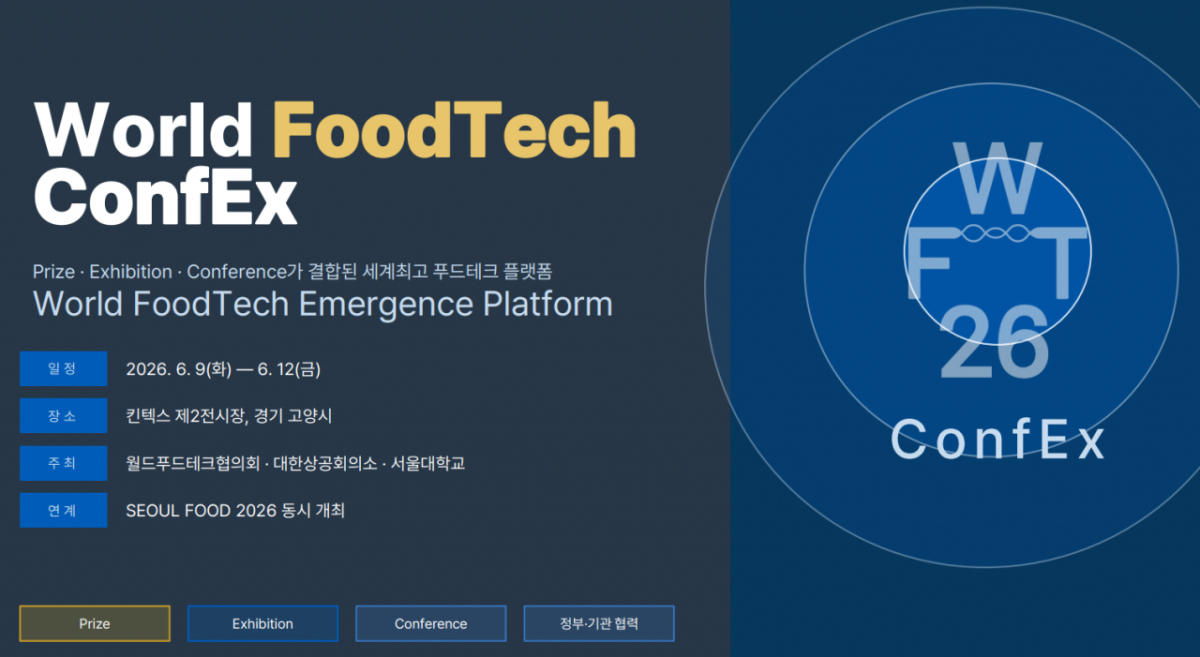
It is expected that more than 30,000 visitors will attend this year's event. Lee (CEO) said, "All companies seeking the convergence of food and technology are eligible to participate," and added, "It will be a venue to visualize the 'emergent ecosystem' where new technologies constantly emerge."
As a food tech expert and chairman of the World FoodTech Council, Lee (CEO) presented various policy proposals for the domestic food tech industry to leap forward globally. The top priority was the establishment of a 'Food Tech Safety Ministry.'
He pointed out, "Currently, in our country, functions related to food are fragmented across the Ministry of Agriculture, Food and Rural Affairs, the Ministry of Oceans and Fisheries, and the Ministry of Food and Drug Safety, causing companies to face inefficiencies as they must visit multiple ministries every time they develop a product."
He continued, "With the current fragmented administrative system and a mindset centered on food suppliers, it will be difficult to seize the initiative in the rapidly changing global market," urging that "a massive innovation at the national level is necessary."
Furthermore, he added, "Just as energy was linked with the Ministry of Environment to address climate change, the issue of eating must also move toward an integrated administration centered on consumers that combines manufacturing, distribution, and food service sectors. Only by creating an emergent ecosystem where private-sector creativity can be unleashed can star companies emerge in droves."
[MoneyToday startup media platform 'Unicorn Factory']

 in FUTURE


