

[For more diverse company information on startups, visit Unicorn Factory's Big Data Platform 'Data Lab'.]
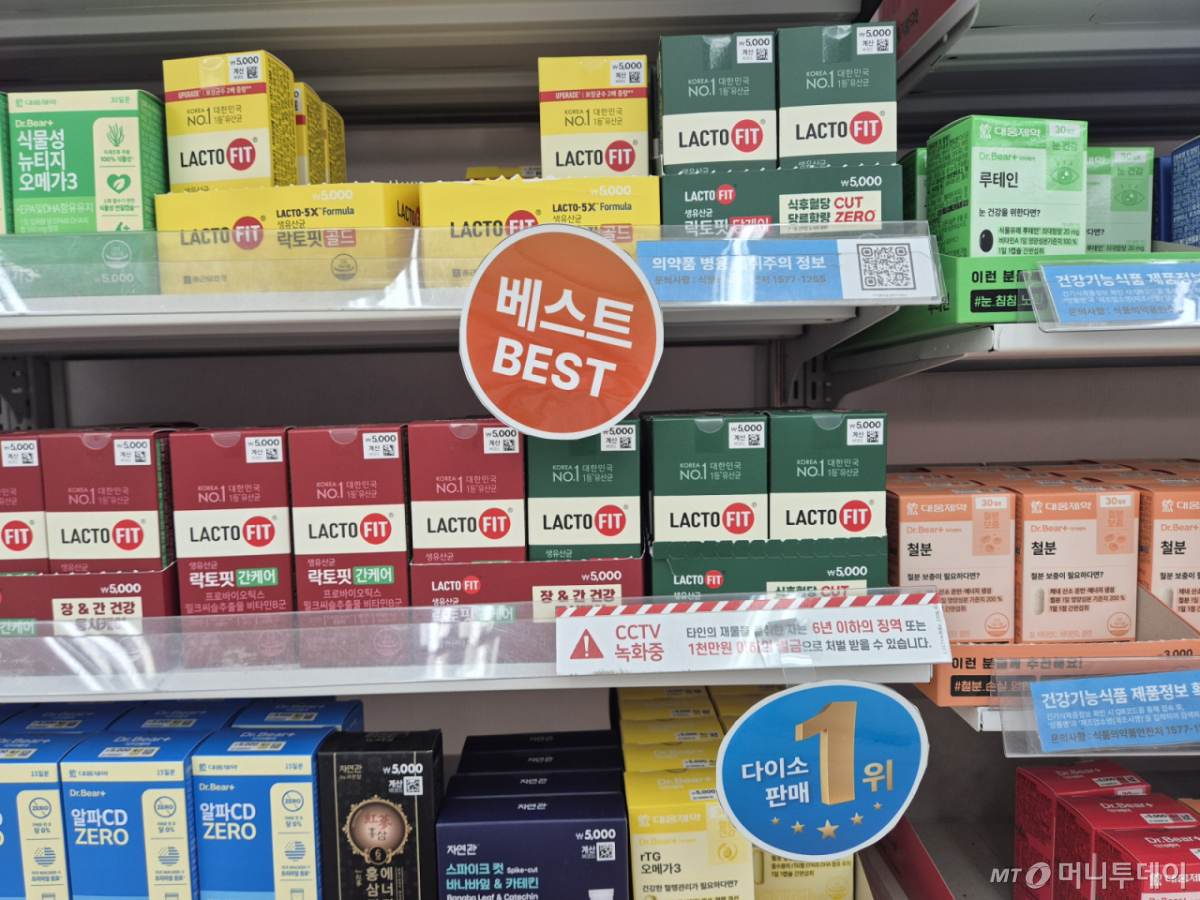
The center of gravity in the probiotic market is shifting from simple 'gut health' to specific functionalities such as body fat reduction and immune system enhancement. This change comes as consumers begin to evaluate not just the quantity of probiotics or their survival in the gut, but also the specific benefits they provide.
In line with this trend, a startup developing probiotics targeting both body fat reduction and anti-inflammatory metabolism has attracted attention. The company is K-BioGateway, a functional bio-material enterprise founded by Jo Gyeong-won (CEO), who participated in the development and commercialization of Lotte's representative health supplement 'Lactofit'.
Established in February last year, K-BioGateway develops functional foods and cosmetic ingredients based on its proprietary probiotic strain 'DH24'. Recently, it secured a 1.2 billion won seed investment led by the Technology Finance Corporation (T-Fund), with participation from BluePoint Partners (BluePoint) and W&Archer.
"Not Just a Researcher-Founder... Deep Understanding of Entire Product Development Process"

BluePoint, which led the seed investment, focused on Jo Gyeong-won (CEO)'s experience and commercialization capabilities. The firm highlighted that Jo (CEO) gained extensive experience at Lotte in not only R&D of probiotic products like Lactofit but also production, commercialization, and sales strategies.
Moon Soobin, Senior Analyst at BluePoint Partners, stated, "He is an expert who thoroughly understands how the entire value chain of probiotic products operates—from research to commercialization and sales." She added, "He not only identified promising materials but also precisely understood what data, clinical trials, and production conditions are needed to turn them into actual products."
Many technology startups secure excellent proprietary technologies yet face significant challenges during clinical trials, regulatory approvals, production, and sales stages. In contrast, Jo (CEO) stands out for having directly experienced the process of connecting research results to products and revenue.
Analyst Moon noted, "To successfully commercialize health supplements, one must understand what data needs to be verified in pre-clinical stages to increase success probability." She continued, "Production scale, costs, and sales channels must all be considered together. Jo (CEO) demonstrated a high level of understanding beyond research, extending to actual product development."
It is reported that the investment decision was influenced by the fact that from the very first meeting, the company had prepared not only the efficacy of the technology but also detailed clinical trial plans and post-launch sales strategies.
He remarked, "From our initial meeting, he did not stop at merely stating 'this strain showed such effects.' He had already planned how to design clinical trials and which markets to target with what sales approaches."
Beyond Gut Health: Targeting Body Fat Reduction and Anti-Inflammatory Metabolism
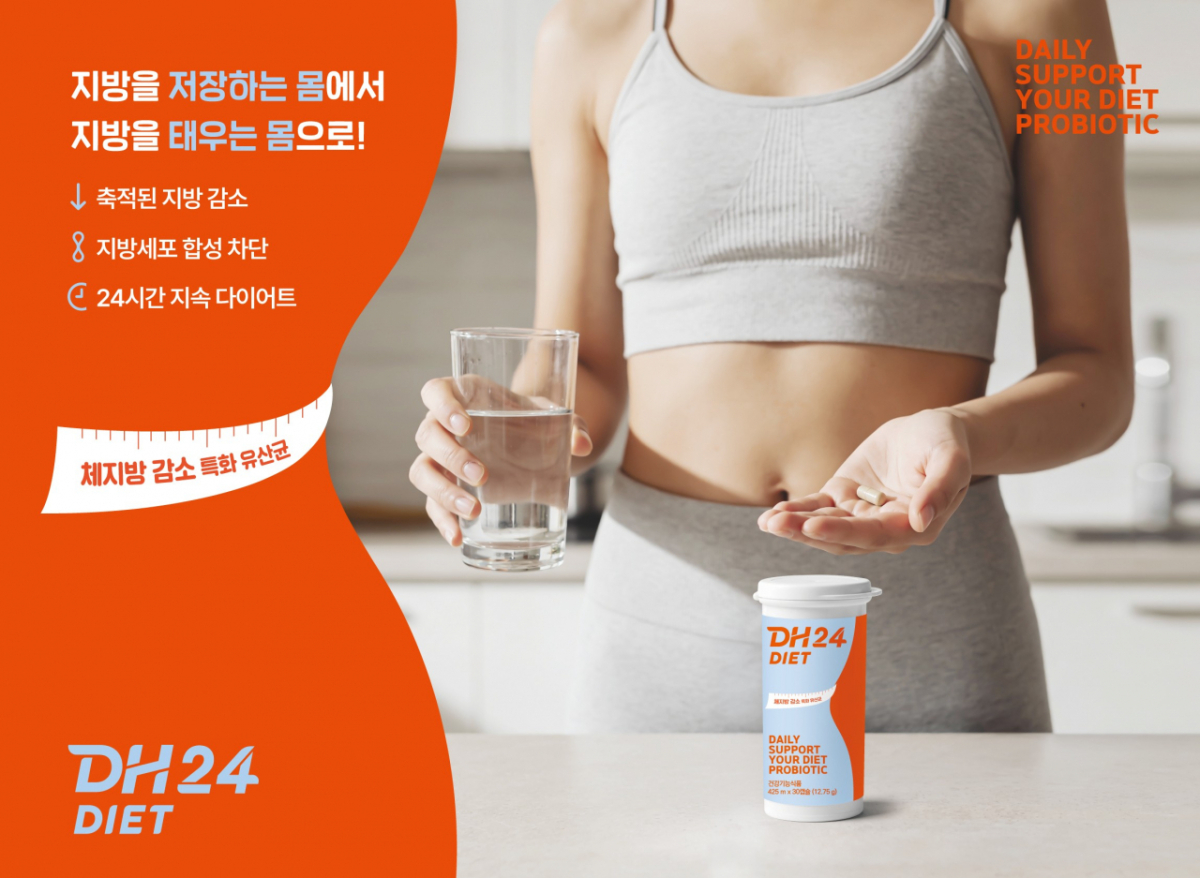
DH24, the core strain of K-BioGateway, is a probiotic focused on body fat reduction. While general probiotic products emphasize overall gut health, DH24 highlights specific functionalities prominently.
Recently, in the probiotic market, products like 'BNR17', derived from breast milk and promoting clear functionalities such as body fat reduction, are gaining prominence. As consumers find it difficult to choose based solely on broad efficacy claims like 'gut health,' the market is trending toward segmentation by specific functions.
Analyst Moon emphasized, "While the probiotic market continues to grow, demand is increasing for products with specific functionalities such as immune enhancement or weight loss, rather than just general statements like 'good for gut health.' DH24 clearly targets the point of weight reduction."
K-BioGateway confirmed the potential for weight reduction in non-clinical trials using mice. Focusing on the fact that obesity is associated with chronic inflammation characterized by low-level persistent inflammation, they also verified anti-inflammatory-related indicators.
Analyst Moon stated, "DH24 showed not only weight reduction but also the possibility of improving inflammation-related indicators in animal experiments." She added, "If efficacy is proven through future human application trials, it could offer not just simple weight management but also the potential to alleviate various problems that may arise from obesity."
She further noted, "While we cannot currently claim therapeutic effects like pharmaceuticals, from a health supplement perspective, this can serve as a meaningful differentiating factor for product marketing and branding."
Human Application Trials to Begin Soon... Inactivated Products to Launch First

K-BioGateway has completed scale-up for mass production of DH24 and reached a stage ready for production. The goal is to launch a live probiotic-based body fat reduction product after completing human application trials by the end of next year.
To achieve this, human application trials for the DH24 live probiotic product are scheduled to begin in October and continue for approximately one year. If the trials conclude as planned, full-scale product launch is expected around November of next year.
To reduce the gap until product launch, the company is also preparing products using inactivated (dead) bacteria. Inactivated bacteria refer to probiotics that have been deactivated through heat treatment or other methods. This reflects research trends indicating that not only live bacteria themselves but also bacterial components and metabolic substances produced by probiotics can possess functional properties.
Inactivated bacteria offer advantages over live bacteria, including greater resistance to temperature changes and easier distribution and storage. K-BioGateway is considering launching DH24-based jelly products as early as the end of this year or early next year.
Analyst Moon stated, "Probiotics do not necessarily need to be alive to be meaningful. Research continues to emerge showing that effects can appear from bacterial components or substances produced by probiotics." She added, "The market related to inactivated bacteria is growing rapidly in Japan."
He predicted, "While live products require time for clinical trials and functional validation, inactivated-based jelly products can be commercialized relatively quickly."
Targeting the Middle East with Inactivated Products to Reduce Cold Chain Burden
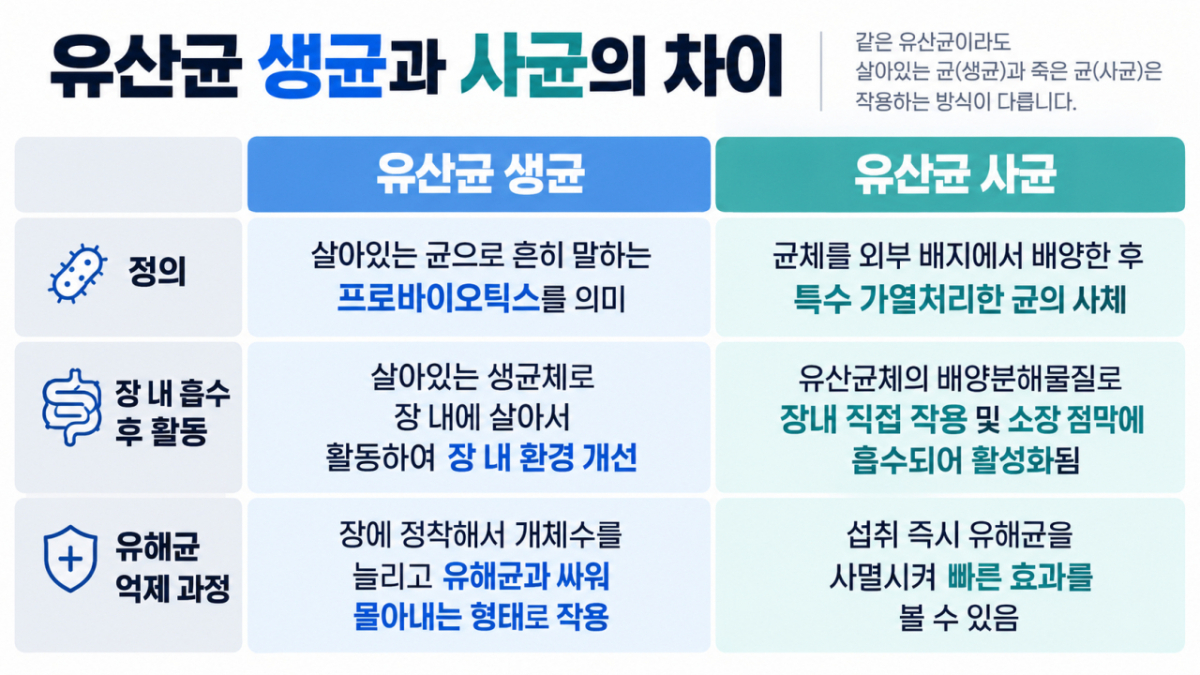
Inactivated products are also expected to serve as a key means for K-BioGateway's global market expansion. While live probiotic products may see a reduction in bacterial count depending on temperature and storage conditions during distribution, inactivated products do not require maintaining live bacterial counts, making storage and transportation relatively easier.
Live bacteria require separate distribution and packaging facilities to maintain stable quality when transporting products for extended periods to countries with high temperatures. In contrast, inactivated bacteria have a lower burden of establishing cold chains, making them advantageous for supplying products to global markets.
K-BioGateway is considering regions such as the Middle East, which has a large obese population and high demand for functional foods, as key strategic markets. The plan is to first secure overseas distribution networks with inactivated products, then expand functional material supply once clinical trials and regulatory approvals for live products are completed.
Analyst Moon noted, "Live bacteria may see reduced bacterial counts when transported to hot regions or stored for long periods, creating constraints on exports." She added, "Inactivated products are relatively free from such issues, allowing them to enter global markets first."
"Growing as a B2B Functional Material Company, Not a B2C Health Supplement Brand"

The growth direction expected by investors including BluePoint for K-BioGateway is not as a B2C (business-to-consumer) health supplement brand targeting general consumers, but as a B2B (business-to-business) functional material company.
The B2C health supplement market requires massive marketing costs to secure sales channels such as advertising models, home shopping, and online platforms, in addition to product efficacy and technological capabilities. It is judged that competing with major health supplement brands on advertising costs is not suitable from a capital efficiency perspective for an early-stage startup.
Analyst Moon stated, "The B2C health supplement business requires significant investment in marketing." She added, "In some cases, marketing methods determine success or failure more than product efficacy, making it difficult to fully leverage K-BioGateway's strengths from a startup investment perspective."
Jo (CEO) also aims for a B2B model that discovers functional materials and supplies them to domestic and foreign companies rather than focusing on its own brand as a B2C enterprise. He explained that requests are coming in to cooperate in the process of Korean companies conducting clinical trials, obtaining regulatory approvals, and selling raw materials held by overseas material companies.
Analyst Moon emphasized, "This investment was not made based solely on DH24 as a single probiotic strain." She added, "It is an investment in Jo (CEO)'s own capabilities to select promising functional materials and connect them through clinical trials, regulatory approvals, production, and sales."
K-BioGateway plans to expand its functional material portfolio by adding both self-discovered strains and promising external materials to its pipeline. In addition to product sales, the company is considering various revenue models such as intellectual property (IP) licensing and technology transfer or sale of individual materials.
Analyst Moon stated, "Global large-scale material companies sometimes acquire functional materials as individual assets." She added, "K-BioGateway can pursue various commercialization and exit strategies, including licensing using its own IP or selling specific assets."
He further noted, "The fact that it possesses both the researcher's perspective to discover good materials and the entrepreneur's capability to complete them into actual products and businesses is K-BioGateway's greatest competitive advantage."
[MoneyToday Startup Media Platform 'Unicorn Factory']

 in FUTURE


