

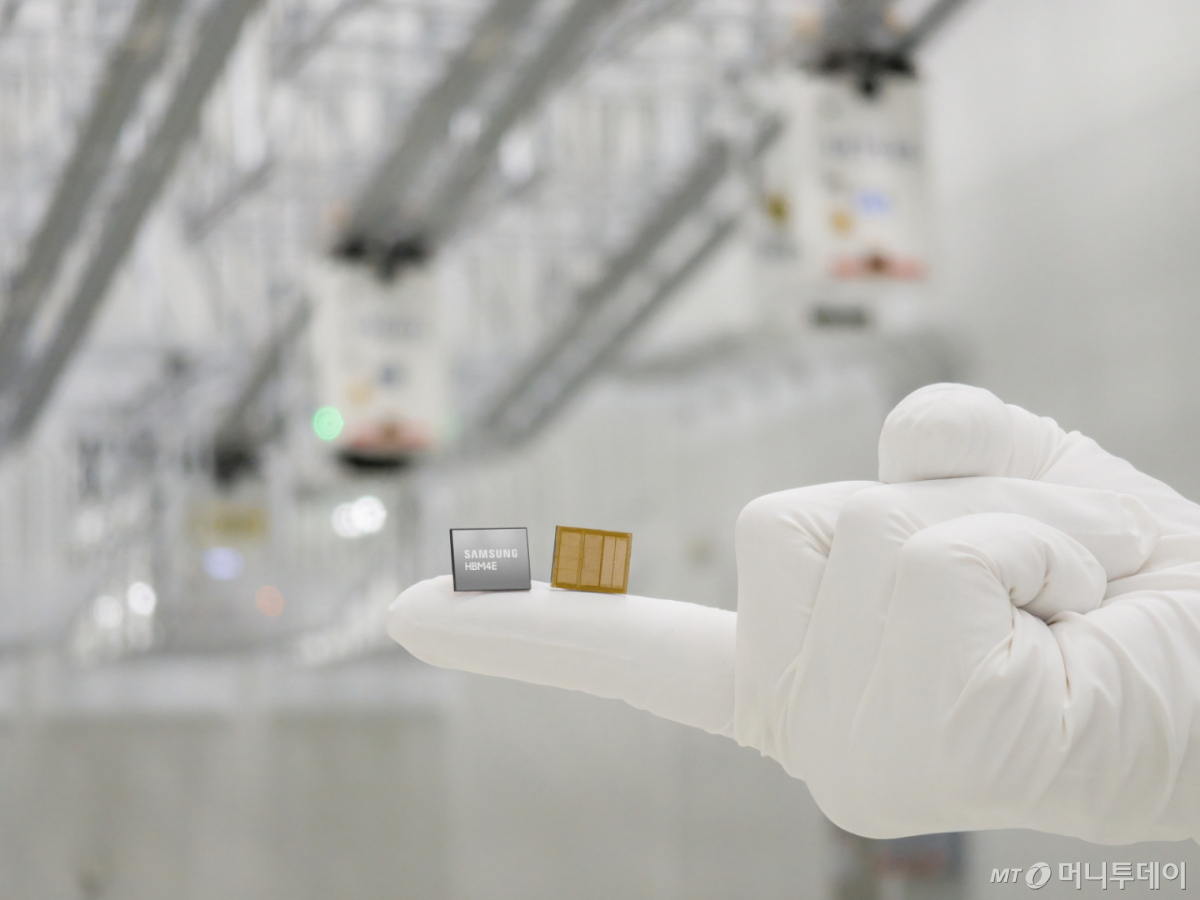
The memory semiconductor (hereinafter "memory") market is shifting from short-term price-focused negotiations to a multi-year contract-centered structure. In fact, Samsung Electronics and SK Hynix are expanding long-term contracts by leading with "LTA (Long-Term Agreement)," while Micron is promoting "SCA (Strategic Customer Agreement)." Industry observers evaluate this as establishing a transaction model where memory manufacturers and customers share business volatility, becoming the industry standard.
According to relevant industry sources on the 1st, global investment bank UBS analyzed in an early last month report that "Korean memory companies such as Samsung Electronics and SK Hynix adopt LTA, which first fixes about 60-70% of total volume at a fixed price based on five-year contracts, then adjusts remaining volumes and prices according to market conditions."
Samsung Electronics' LTA contract structure, revealed during its second quarter 2026 earnings announcement conference call on the 30th (a "rolling" method that extends the contract period by one year annually through negotiations based on a five-year contract), also supports UBS's analysis. Negotiations with global top five data center operators including Amazon and Google have already been finalized. LTA volumes are expected to expand to about 60-70% of Samsung Electronics' future production capacity. Notably, a floor price has been set to reduce investment risks even if memory prices fall. Kim Jae-jun, Vice President of Samsung Electronics' Memory Lisa Division, stated, "There are additional customers requesting LTA, so the number of contracted customers will increase over time."
SK Hynix also recently announced that it has concluded LTA negotiations with more than ten customers. While specific terms vary by customer and product, contract periods are typically five years. Song Hyun-jong, SK Hynix Corporate Lee Teu-sen-teo (President), explained, "LTA is a strategic partnership that goes beyond simple volume supply to secure medium-to-long-term supply stability and develop next-generation memory tailored to customers' technology roadmaps."
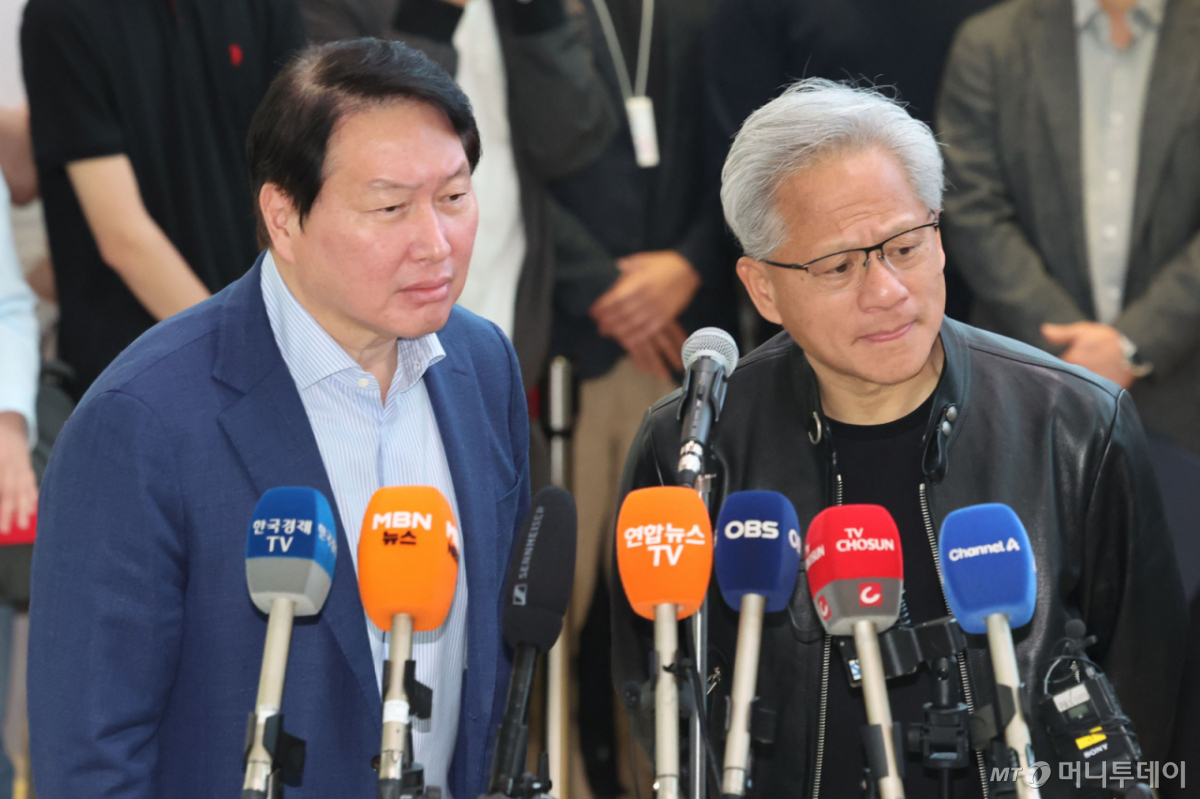
Micron is expanding multi-year contracts through SCA, a type of LTA. This structure sets upper and lower limits for memory prices in advance to restrict price fluctuations within a certain range. Particularly, while Samsung Electronics and SK Hynix's multi-year contracts focus on supply volumes, Micron allocates production capacity (CAPA) itself in advance. Micron has signed 16 SCAs across data centers, consumer devices, and automotive sectors. If all contracts are fully reflected, more than 50% of total revenue is expected to be generated based on SCA.
Expanding long-term supply contracts is cited as a factor that reduces overcapacity burdens for memory manufacturers and enables stable volume acquisition for customers, thereby mitigating the memory market cycle. Especially, this contract differs from the past because hyperscalers and other customers are proactively requesting it due to expanded AI (artificial intelligence) investments. A semiconductor industry official stated, "Five-year long-term supply contracts have become the 'New Normal' of the memory industry," adding, "As transaction practices prioritizing medium-to-long-term supply stability over short-term prices take root, this trend will continue for some time."
Advance payments to reduce risk burdens also serve as a mechanism to strengthen contract binding force. All three major memory companies—Samsung Electronics, SK Hynix, and Micron—are reported to have included advance payments in their long-term supply contracts. Park Jun-young, a researcher at Hanwha Investment & Securities, said, "If customers breach the contract, it will be difficult to sign multi-year supply contracts under the same conditions during the next memory shortage period," noting that "since they may face competition under less favorable procurement terms than competitors, multi-year supply contracts will maintain significant continuity even during downturns."


 in INDUSTRY


