

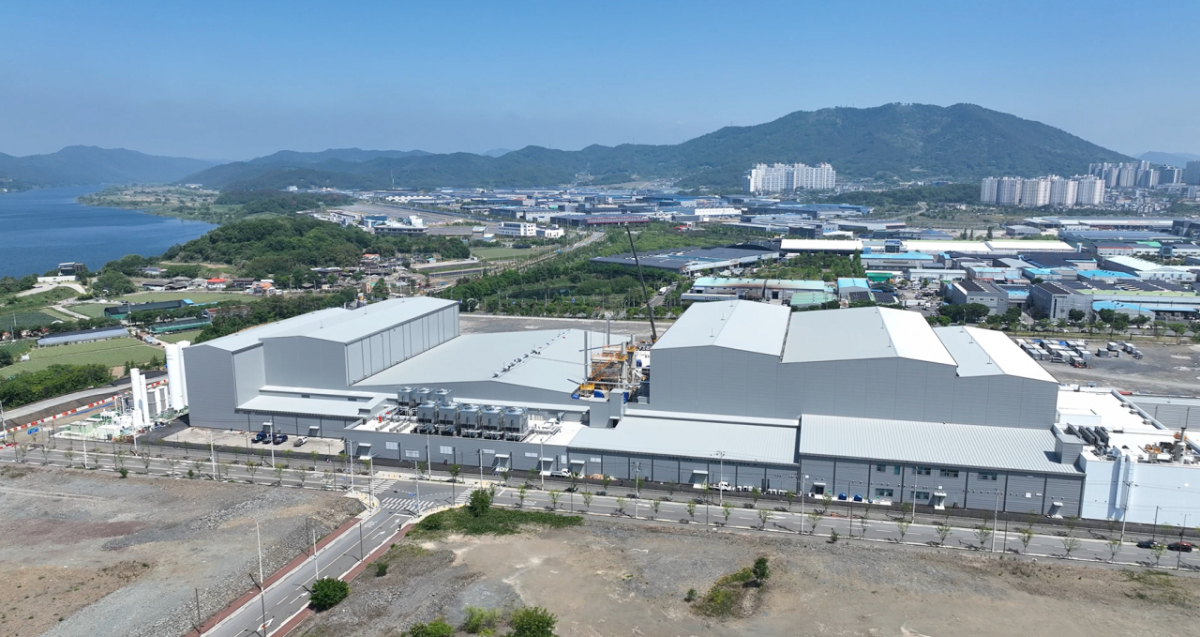
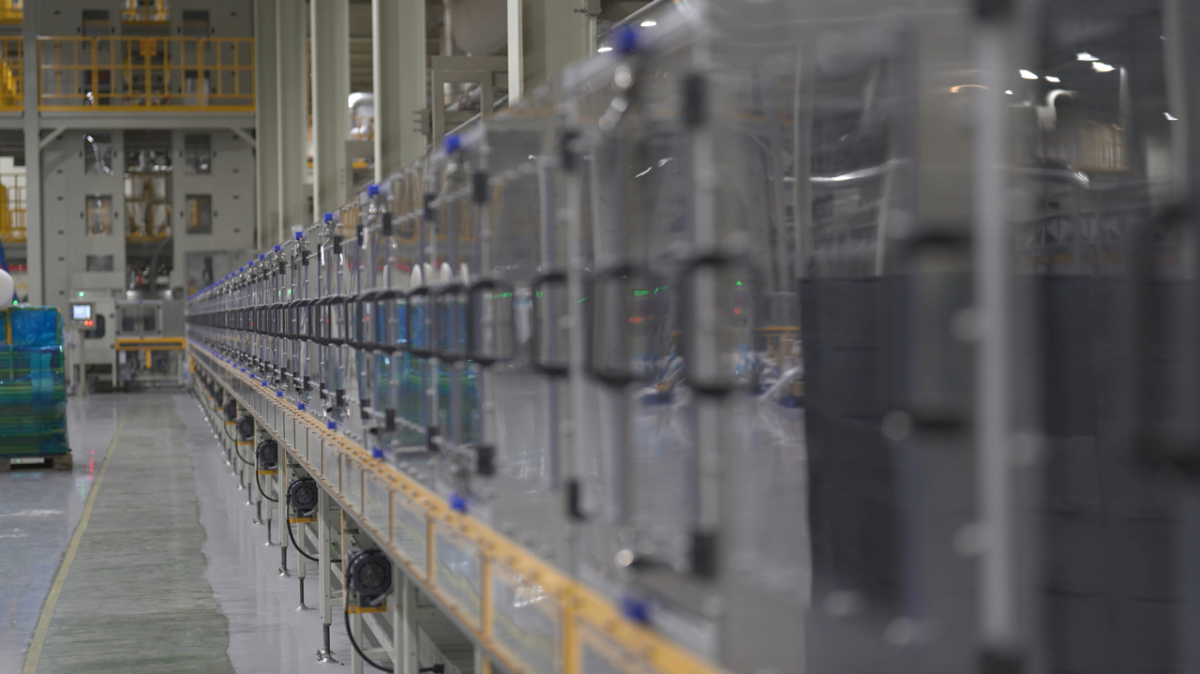
On the 24th of last month, we visited L&F Plus located in Dalseong-gun, Daegu. Upon entering the facility, two rows of production lines were immediately visible through a glass window running along a corridor approximately 250 meters long. This plant, which has established the first commercial production system for LFP (lithium iron phosphate) battery cathode materials among non-Chinese companies, will officially begin operations at the end of this month. The Yangsan Line covers everything from storing precursors—the raw material for cathode materials—to the production and storage of cathode materials themselves.
L&F Plus is a subsidiary of L&F dedicated exclusively to the production and sales of LFP cathode materials. The company expanded its business scope from high-nickel cathode materials, which have been L&F's main focus, to LFP in response to growing demand for China-free supply chains centered on North America. In particular, the decision was heavily influenced by the expectation that demand for LFP will continue, especially in the ESS (energy storage system) market where safety is paramount.
Indeed, next to the already completed production line, there was space prepared to install two additional lines of the same length. If these lines are added as planned by L&F Plus in the first half of next year, current production capacity of 30,000 tons will increase to 60,000 tons. According to the company, even if all four lines are fully established, they would occupy only about 60,000 pyeong out of the 200,000-pyeong site in the Daegu National Industrial Complex, leaving ample room for further factory expansion.
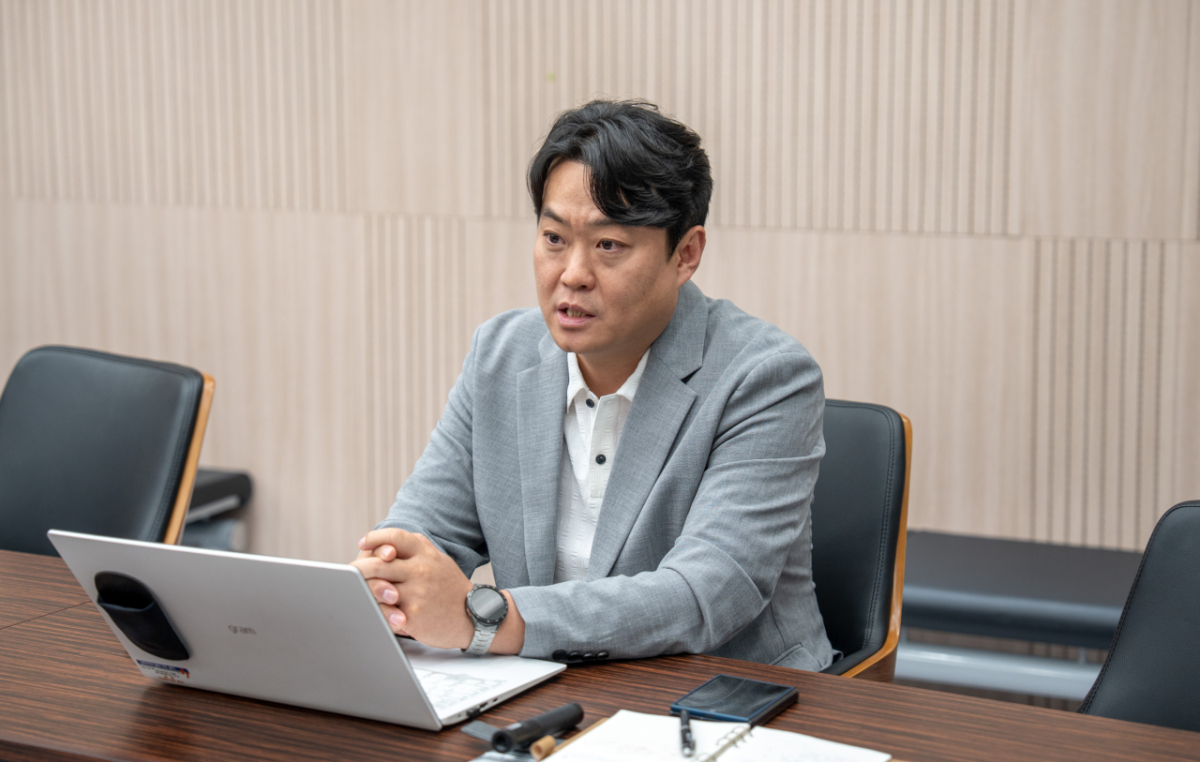
Kwon Hyuk-won, Executive Director and Head of Production Technology at L&F Plus, emphasized, "What the market wants is for us to remove the 'China' label from our products," adding, "We viewed this situation as an opportunity to enter the market." He further explained, "If we can guarantee stable supply volumes to customers, we will proceed with expanding production capacity accordingly." If expansion proceeds as originally planned, L&F Plus could increase its cathode material production capacity to 120,000 tons annually—four times the current level.
The push for China-free supply chains is not limited to cathode materials but is also extending to precursors. With China currently accounting for over 90% of the global LFP precursor supply chain, diversifying suppliers has become essential. L&F is in discussions with non-Chinese supplier companies in India, Indonesia, Morocco, and other countries. Former Executive Director Kwon stated, "There are domestic companies planning to engage in this raw material business, so we are also considering local procurement."
In the long term, the company is developing alternatives that could replace precursors entirely. One approach involves using iron oxide from Busan's steel industry as an LFP raw material, thereby bypassing the precursor stage altogether. Former Executive Director Kwon noted, "We are exploring options to receive supplies through domestic steel companies and are actively working on development to enhance performance."
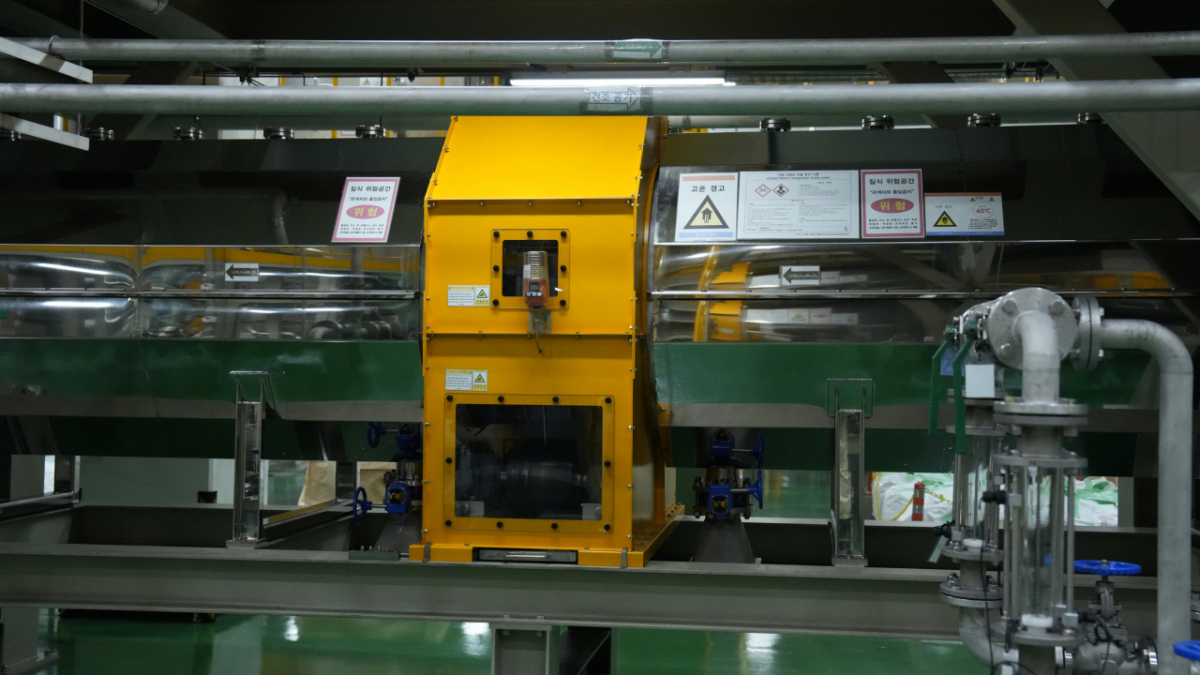
L&F Plus is also turning its attention to local production in North America. The strategy involves using domestic production lines as "mother factories" to transfer process conditions to North American sites. Discussions are already underway with North American companies to enable timely market entry based on demand fluctuations. Former Executive Director Kwon stated, "While key aspects such as site layout, line configuration, and production scale have been roughly determined, we are currently focusing on stabilizing domestic operations. The timing of overseas expansion will be adjusted depending on how quickly and extensively the market demands LFP products."
The reason L&F Plus is accelerating its efforts lies in the expectation that a shortage of LFP supply will soon emerge in the North American market. Former Executive Director Kwon projected, "Combined, all domestic material companies can currently plan to supply approximately 200,000 tons of LFP cathode materials," while adding, "Demand for LFP cathode materials required in the United States is expected to exceed one million tons." He further remarked, "Demand will far outstrip supply, and a point of absolute shortage will inevitably arrive. We aim to be the first mover in this space."

 in INDUSTRY


