

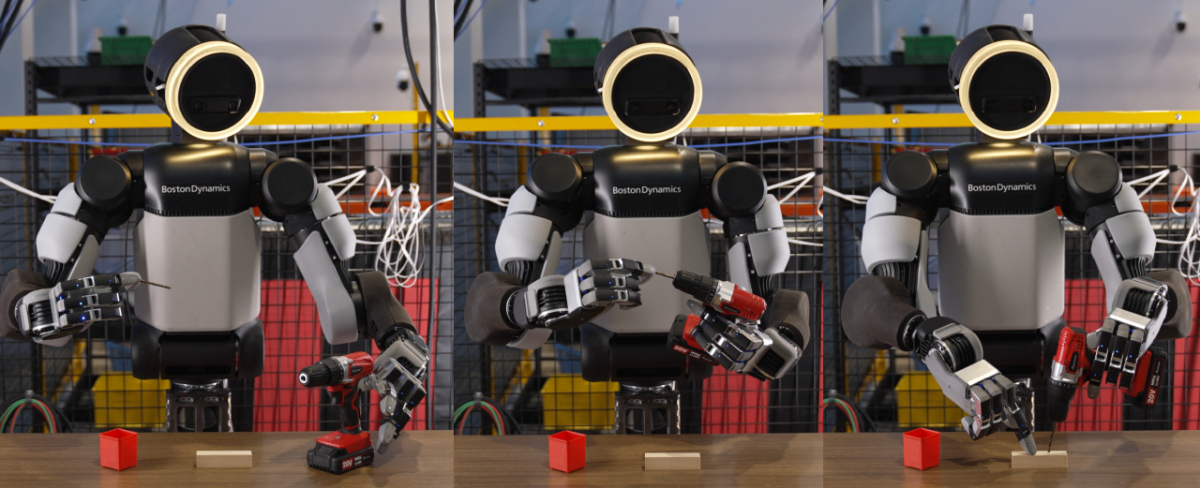
Boston Dynamics, the robotics-focused affiliate of Hyundai Motor Group, on the 1st (local time) unveiled for the first time a next-generation robotic hand based on four fingers, and released a video showing the humanoid robot 'Atlas' equipped with it performing various manipulation tasks. It is evaluated as highly significant because it demonstrated the ability to perform continuous and complex tasks required in actual work environments, going beyond simple mobility capabilities.
Humanoid robots must utilize workspaces and tools designed for humans while performing a variety of tasks, making versatility and flexibility important. In particular, the importance of the robotic hand is emphasized as a core element determining the general task execution capability of humanoid robots.
The next-generation robotic hand unveiled by Boston Dynamics this time, when combined with Atlas, demonstrated the precise object manipulation and tool utilization capabilities required in industrial settings.
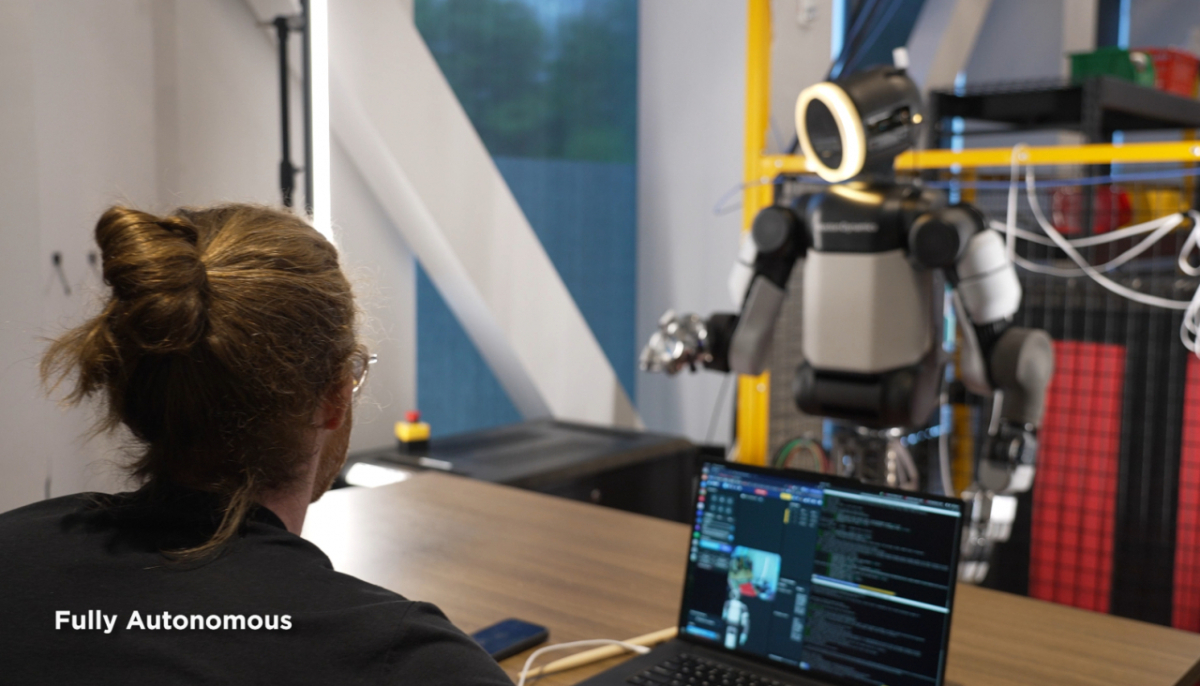
In the video, Atlas demonstrates precision assembly, in-hand manipulation, and handling of tools and small components using the new robotic hand. First, it picked up a drill bit, inserted it into the drill, and operated the drill to make a hole in wood. Such demonstrations require technology that precisely controls the force and movement of each finger while stably gripping the tool handle and pressing the button.
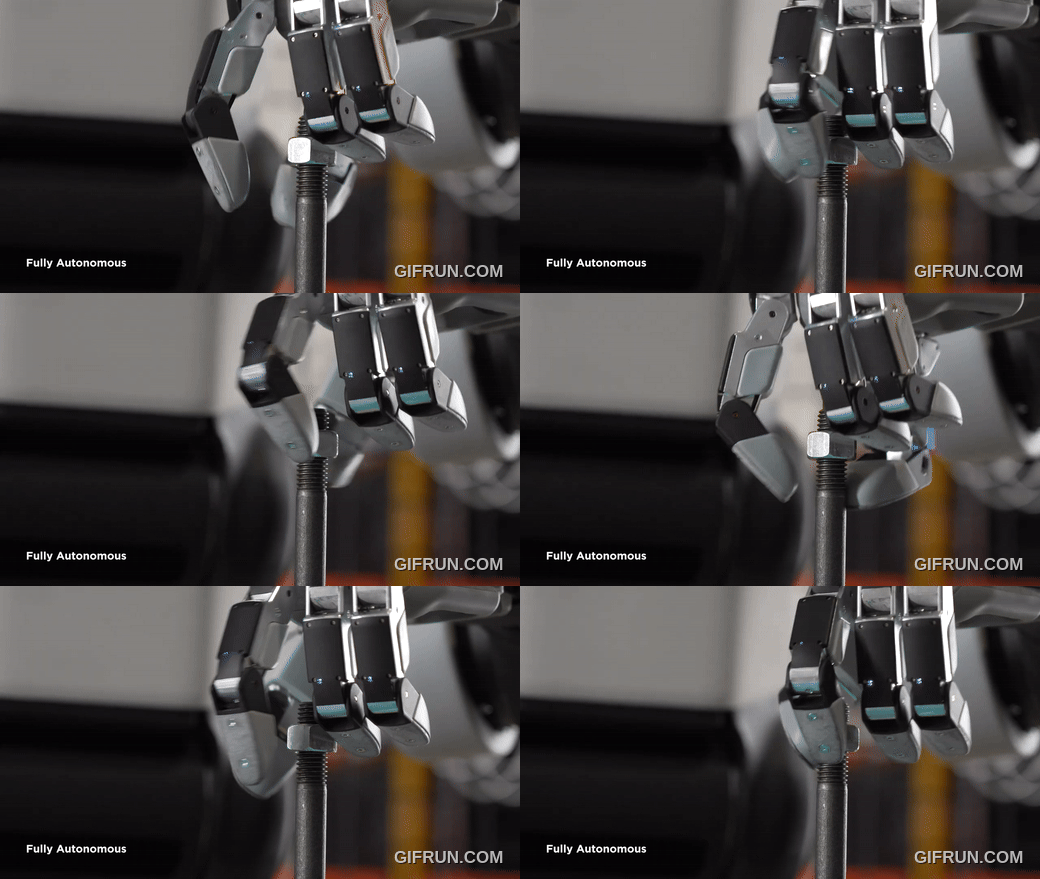
It also showed the motion of tightening a nut by rotating it with its fingers. It grasped the small nut with its fingertips, precisely adjusting the direction of rotation and force to fasten it. Fastening small and hard components like bolts and nuts requires fine grip force control and the ability to reposition objects within the hand.
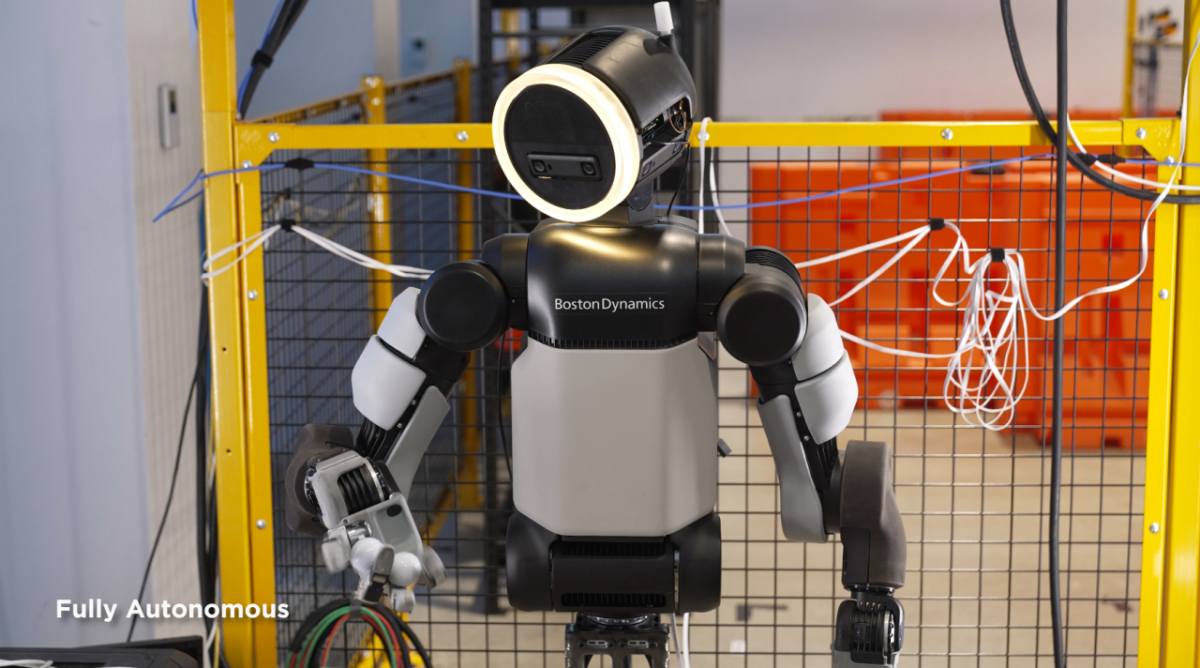
It also showed handling various shapes and materials of objects with precision. It rotated a thin, long drumstick with its fingers and simultaneously moved two golf balls with hard, smooth surfaces within its hand, stably manipulating objects with different shapes and friction characteristics. Such motions are only possible by continuously adjusting the contact and force between the fingers without dropping the object. This demonstrated that the next-generation hand can adjust finger movement and force according to the shape, material, and contact state of the object.
The biggest feature of the next-generation hand developed by Boston Dynamics is that it implements a total of 13 degrees of freedom across four fingers, including the thumb, significantly enhancing precise manipulation capabilities compared to existing hands.
The thumb performs precise grasping motions with other fingers based on four degrees of freedom. The remaining fingers are each composed of three degrees of freedom, allowing them to spread or finely control their tips. Through this, it is possible to grasp objects like a human and change the position and direction of objects within the hand.
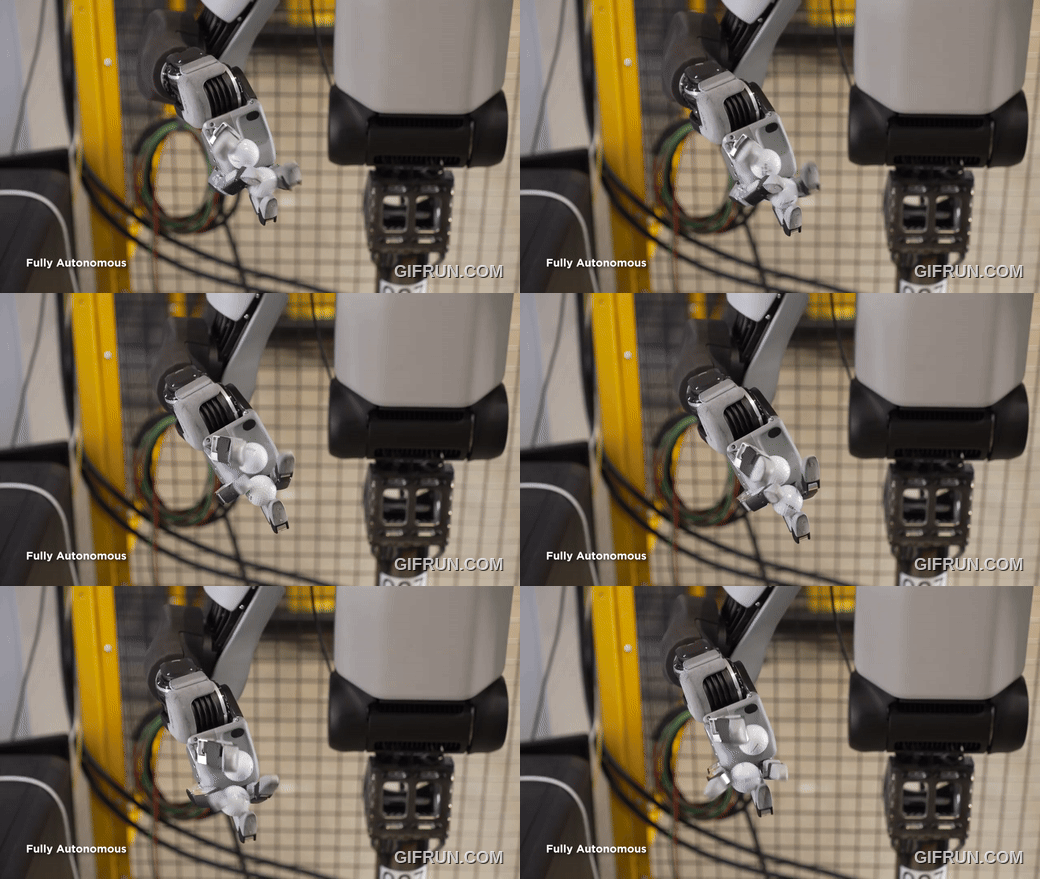
Boston Dynamics maintained a size similar to a human hand so that workspaces and tools used by humans can be utilized as-is, while securing the strength required for industrial site operations. Additionally, it simplified the structure and modularized key components to ensure durability and maintenance convenience needed in industrial settings. It is evaluated that the possibility of large-scale mass production was also considered.
Boston Dynamics explained its adoption of a four-finger structure by stating, "We compared and analyzed application cases of industrial robots and developed it in an optimized form in terms of performance and cost efficiency, including △design complexity △power consumption △cost rationality △durability △ease of repair."
Alberto Rodriguez, who oversees the development of Atlas's behavioral manipulation technology at Boston Dynamics, stated, "We considered various designs, from the number of thumbs to the necessity of a little finger," and added, "We deliberated on the optimal design method through experiments, simulations, 3D (three-dimensional) printed mockups, etc., and as a result of the entire team's developers working all day with their little fingers fixed, we judged that 'one finger is not necessary.'"
Another feature of the next-generation hand is tactile sensing technology that detects even minute contact with objects. Pressure-based tactile sensors are densely arranged on the fingertips and palm to detect even small changes in force generated when contacting an object.
From the early stages of developing the next-generation hand, Boston Dynamics applied the 'Sim-to-Real' method, which trains robots in a virtual environment and then applies the results to actual robots. It focused on reducing the differences that occur when applying manipulation policies learned in a virtual environment to actual robots by precisely reflecting the driving characteristics and friction of the actual hardware in the simulation. Additionally, it is advancing reinforcement learning by variously changing motor torque, friction, object shape, and disturbances (external interference) occurring during work in simulations, thereby enhancing manipulation capabilities that can respond to various conditions in real environments.
Meanwhile, Boston Dynamics recently opened the 'Robotics Metaplant Application Center (RMAC).' RMAC is a demonstration space simulating Hyundai Motor Group's industrial environment, serving as a core hub where Atlas collects actual manufacturing work data and verifies learning. Through this, it aims to accelerate the construction of a data flywheel leading from data collection to learning, field application, feedback, and relearning.

 in INDUSTRY


