

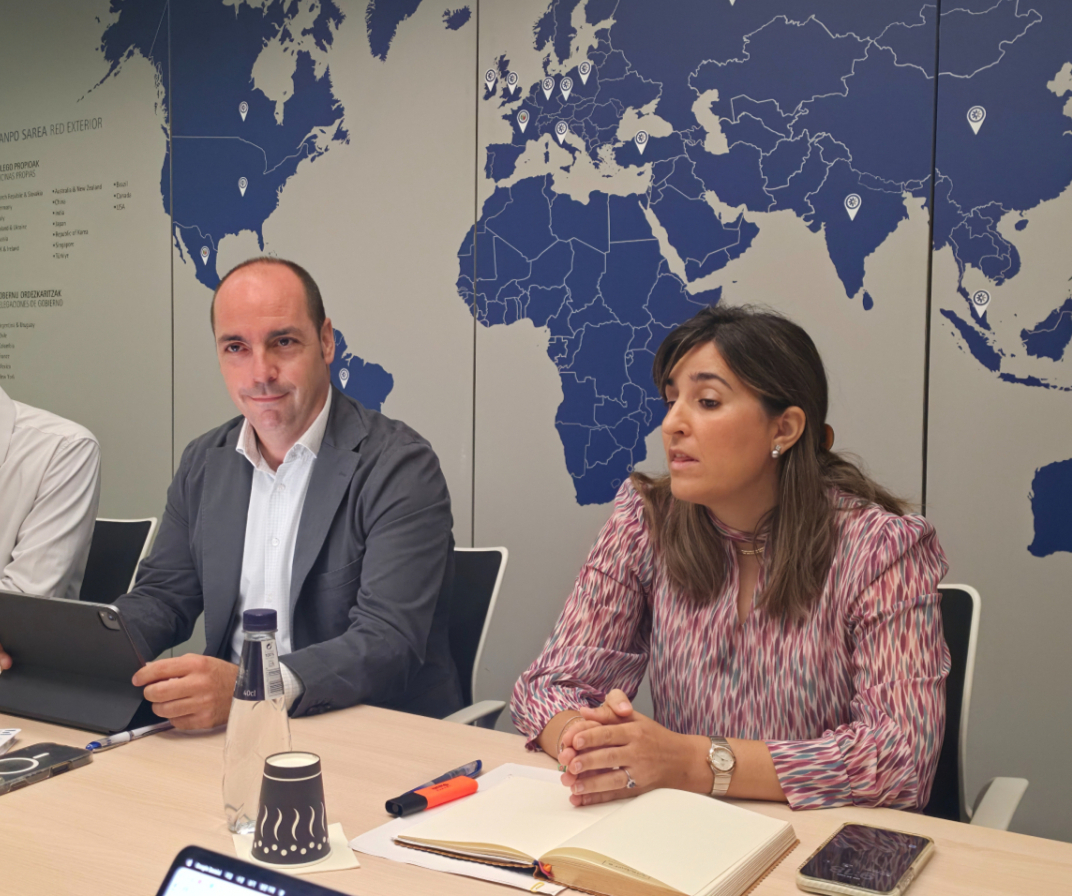
"The Iberian region prioritizes renewable energy such as wind power, which has led to lower electricity rates."
Iñaki Ayende Fernández de Eribe, Deputy Minister of Energy Transition for the Basque Country, met at the Basque Trade and Investment Office in Bilbao, a central city in northern Spain's Basque region, on the 30th of last month (local time), explained that countries on the Iberian Peninsula, such as Spain and Portugal, were less affected by the energy crisis despite the Middle East situation that emerged in March. He emphasized, "Achieving energy independence is very important," adding, "Securing our own energy allows us to formulate better industrial strategies and contribute to improving the welfare of the entire nation."
Electricity Rates Low in Europe… Wind Power Basque Value Chain Contributes
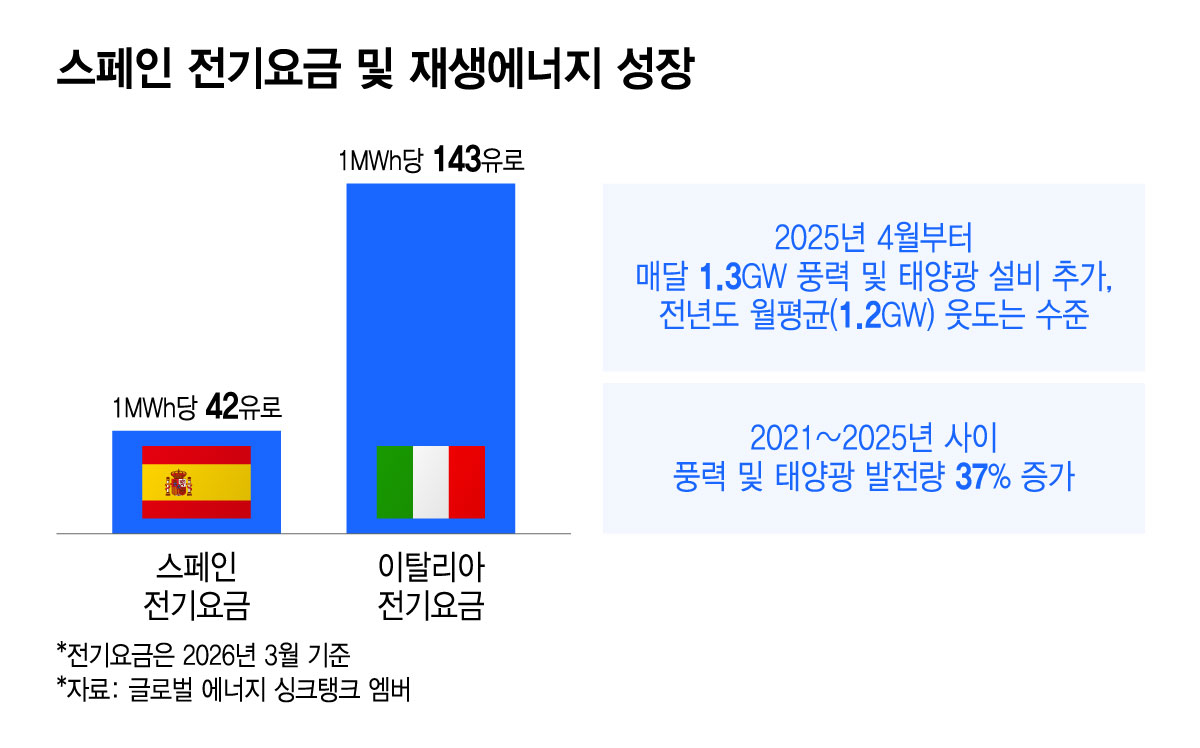
Currently, Spain's electricity rates are among the lowest in the European Union (EU). According to the global energy think tank Ember, the average electricity price in Spain was 42 euros per megawatt-hour (MWh) in March, when the Middle East crisis that triggered the energy crisis emerged. This is less than one-third of Italy's rate (143 euros), which has a relatively high gas dependency.
Behind the low electricity prices lies a strategy to cultivate renewable energy. Spain has accelerated its energy transition centered on wind and solar power in recent years. The pace quickened further after a large-scale blackout occurred on the Iberian Peninsula in April of last year. An average of 1.3 gigawatts (GW) of new capacity was added each month, exceeding the previous year's monthly average of 1.2 GW. In this regard, Spain's wind and solar power generation increased by 37% from 2021 to last year.
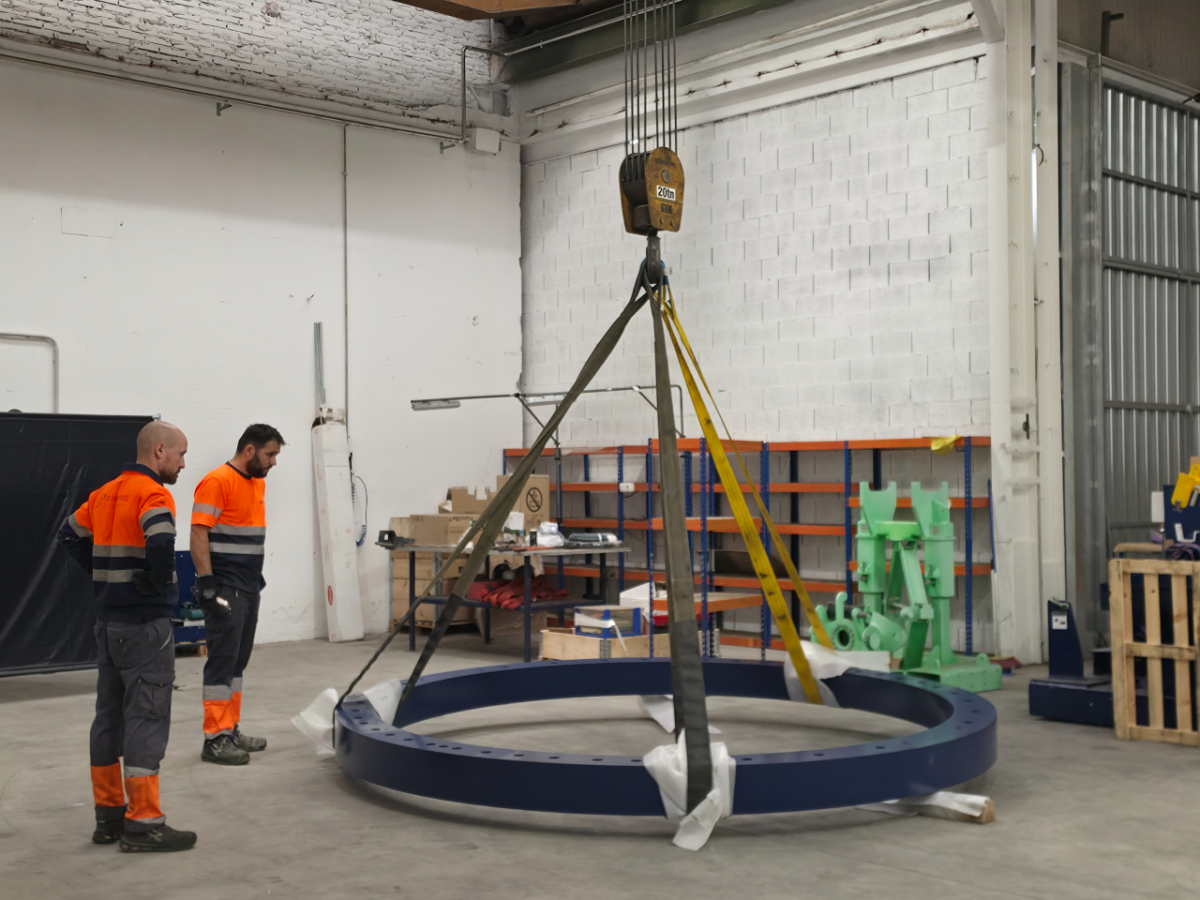
In particular, the Basque Country played a significant role in the wind sector, which has more complex infrastructure than solar power. Although not well known domestically, the Basque Country, which holds extensive autonomy in tax and fiscal matters, established itself early on as a major hub for the European wind industry. Currently, about 150 companies, including Siemens Gamesa, Global Wind, and Slingcent, constitute the entire wind value chain there. The number of related workers reaches approximately 5,100. The turbines and key equipment produced by these companies are supplied to wind power projects not only in the Basque Country but also across Spain. Mikel Amundarain Leibar, Director-General of the Basque Energy Agency, who was present on the day, introduced this as "the result of proactively cultivating related companies from the early stages when renewable energy industries such as wind began to grow."
Major European countries, including the UK and France, are also making efforts to expand renewable energy. With energy security emerging as a major issue following the Middle East situation, and electricity demand rising rapidly due to the spread of the artificial intelligence (AI) industry, the importance of wind power is expected to grow further. Lee Ran-chyu (Vice Minister) stated, "(Above all) Europe places decarbonization as a very important task in the process of developing its industries," adding, "We will continue industrial opportunities in the energy sector through this."
Beyond Industry, Expanding Generation… "Speeding Up Energy Transition"
The Basque Country is also continuing efforts to increase the share of renewable energy such as wind power generation. While the industry itself has matured, the region was not favorable for wind power due to environmental factors such as deep ocean depths, resulting in low local generation volumes. In fact, while renewable energy accounts for an average of 40% of total generation in Europe, the Basque Country stands at only 7%.
In response, the Basque Country is promoting a plan to secure 500 megawatts (MW) of renewable energy capacity by 2028 and expand it to 900 MW by 2030. It is also successively introducing systems to increase public acceptance. A representative example is the 'Renewable Energy Levy,' where operators pay a regional fee when establishing renewable energy power plants. Starting this year, a system has also begun allowing citizens to invest 20% in renewable energy projects and receive returns. This guarantees a fixed annual return rate of 7% for three years and has received a positive response. A recent citizen participation recruitment for the Labrasa wind farm in the Basque Country closed within one day.
Lee Ran-chyu (Vice Minister) expressed confidence, stating, "We have various industries including hydrogen, carbon capture, and batteries, in addition to wind power," adding, "While cultivating new industries, we will also accelerate the energy transition in line with Europe's 2050 Net-Zero plan."

 in INDUSTRY


