

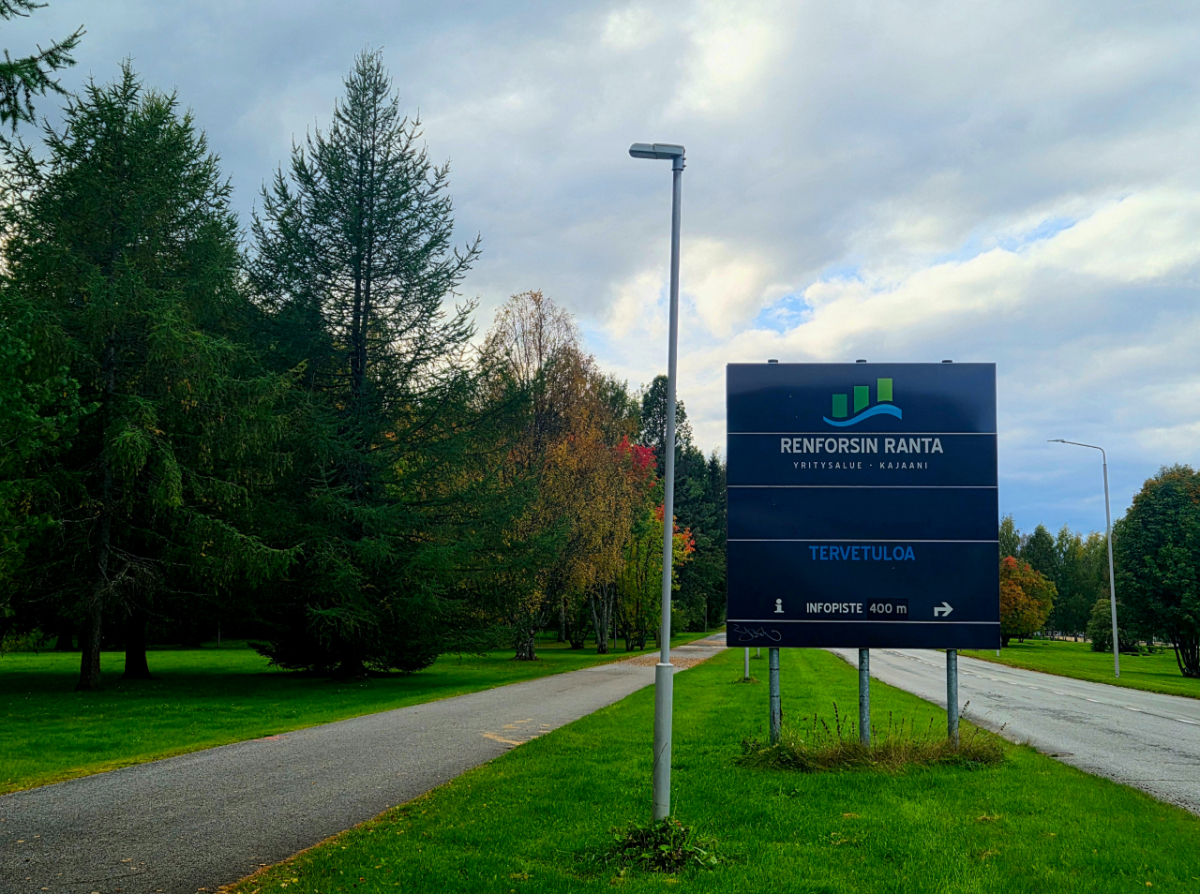
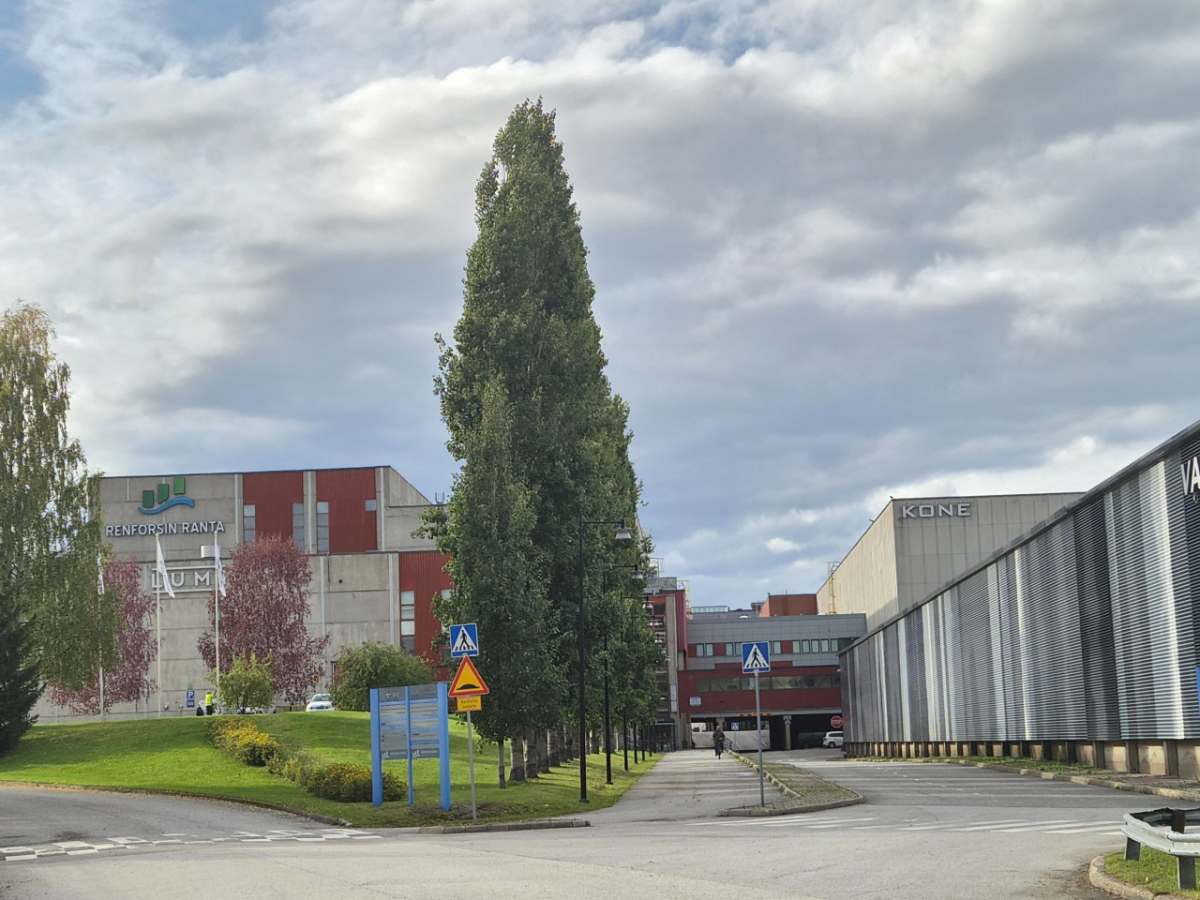
Kajaani is a city with a population of approximately 36,000, located about 560 kilometers north of Helsinki, Finland. After walking for about 20 minutes through a dense forest path from the center of Kajaani, a wide site lined with old brick buildings came into view.
This place, where the quiet forests of Northern Europe and the traces of a massive industrial zone create a striking contrast, is the 'Lempäälä' industrial park, covering an area of approximately 700,000 square meters, equivalent to 100 soccer fields.
Carefully examining the plain factory buildings reveals the coexistence of entirely different eras. On one wall of a building labeled with the Finnish word 'VARASTO' (warehouse), logos of global data companies are displayed.
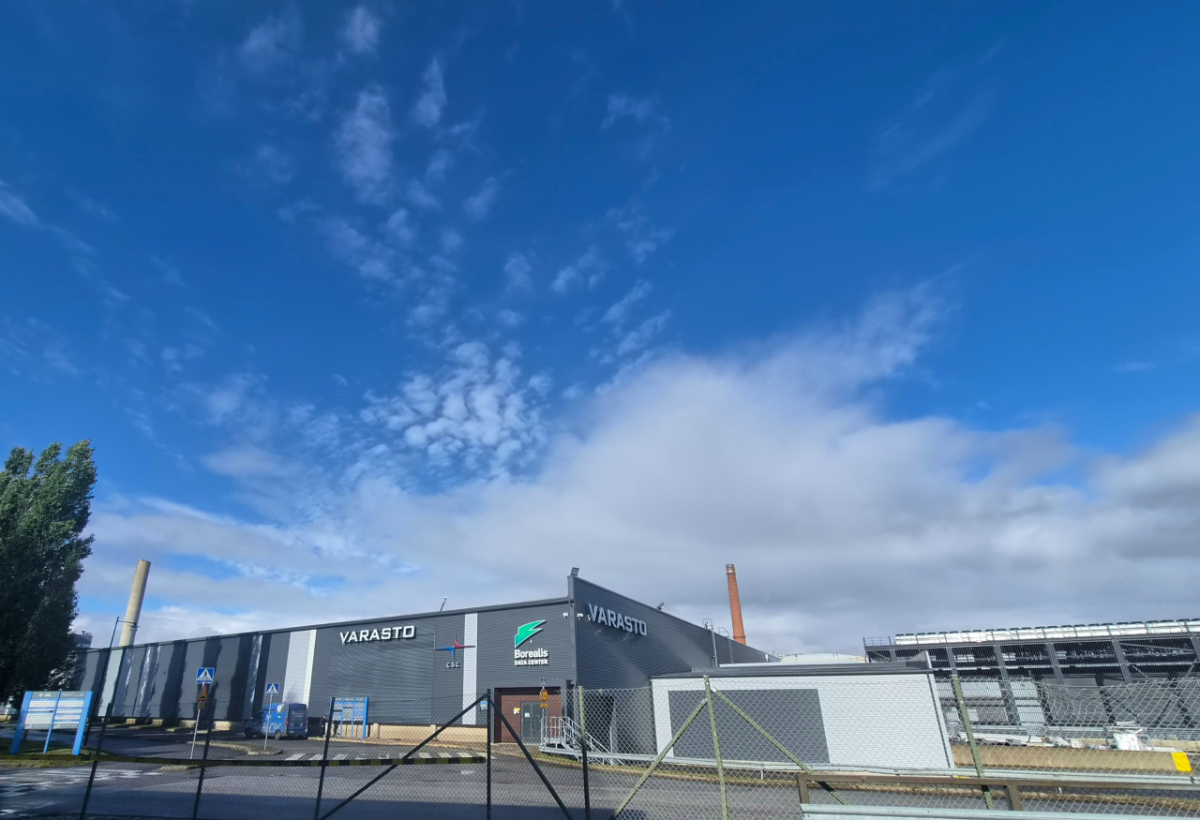
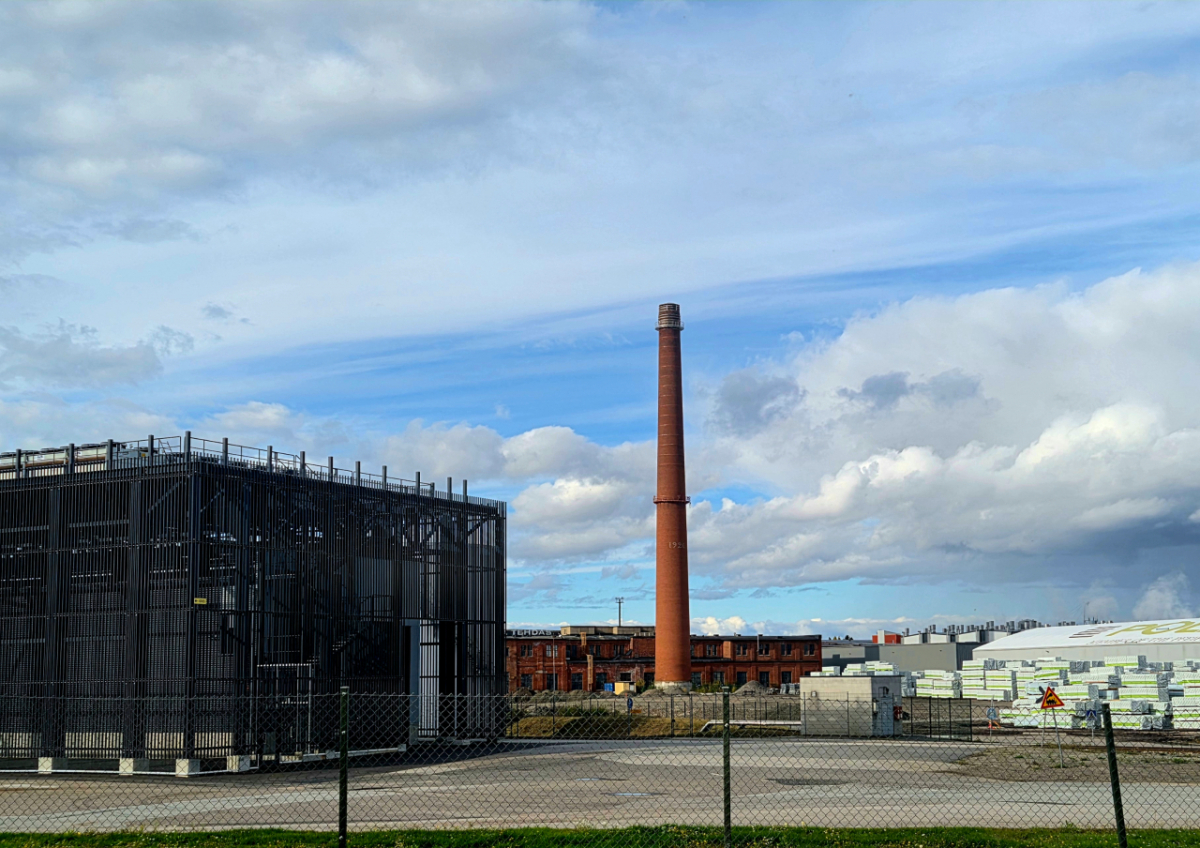
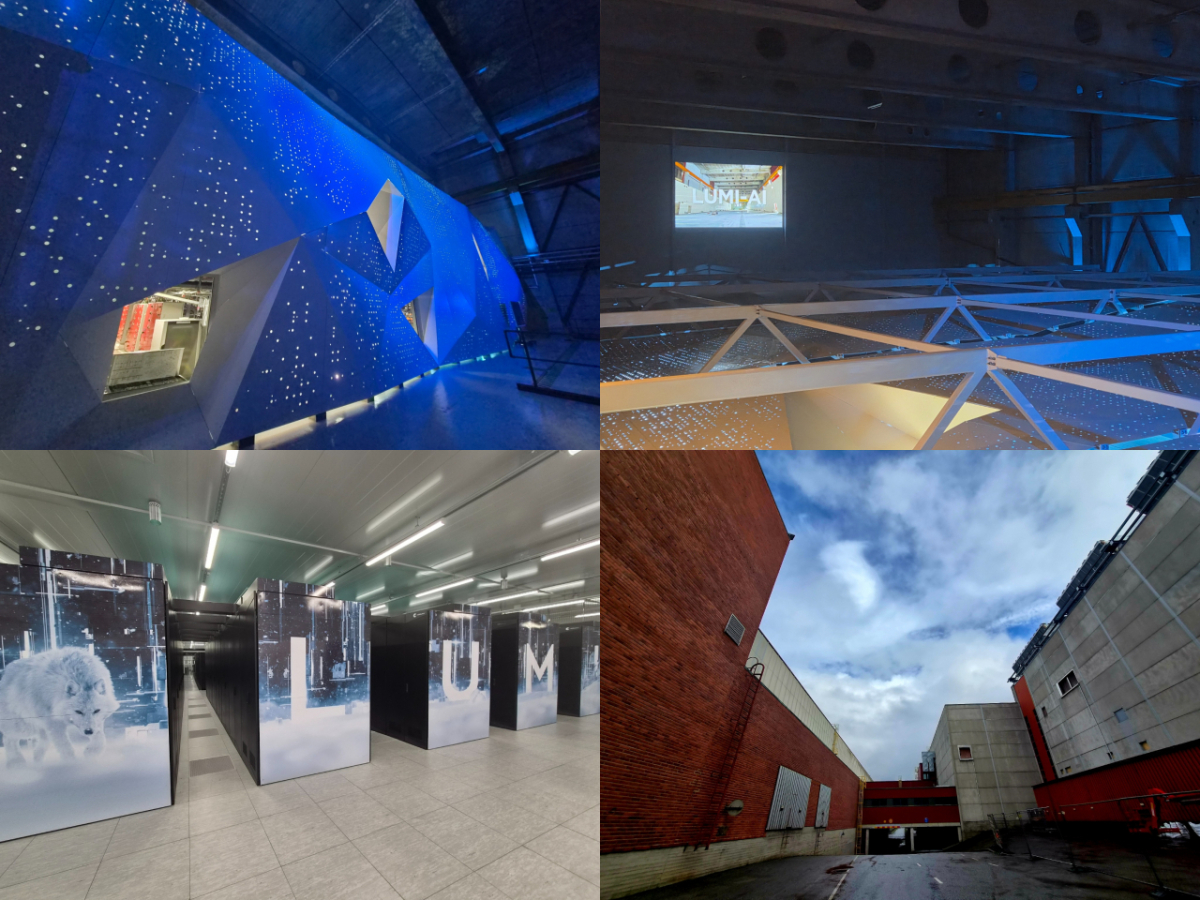
The contrast between old industrial facilities and advanced infrastructure was once again evident at the data center building housing 'LUMI,' the European Union (EU) supercomputer, within Lempäälä.
A massive aluminum-clad structure placed in the middle of a dimly lit hall emits a bluish light, with racks of the supercomputer lined up inside. Looking up, plain and rough concrete beams and faded walls built decades ago were clearly visible through the high ceiling. It is a scene where the advanced brain of AI and the rough framework of an old factory coexist in one place.
Data centers rise where paper mills closed
This industrial park once housed a large paper mill operated by UPM, which was at the heart of Finnish manufacturing and a world-leading paper company. The mill produced 640,000 tons of newsprint and magazine paper annually. It had been the backbone of Kajaani's economy, but it ultimately ceased operations, unable to withstand the sharp decline in paper demand due to digitalization and the cold wave of the 2008 global financial crisis. Along with the decline of the paper industry, approximately 530 local jobs also disappeared.
Ironically, what turned the city's crisis into an opportunity was the 'legacy' left behind by the paper mill. The paper industry, which processes wood into pulp and presses and dries paper, is a representative high-energy-consuming sector. Although the factory stopped operating, the 230th-megawatt (MW) class transformer equipment and high-voltage transmission and distribution network that had drawn massive power remained intact. This was a decisive advantage that could reduce the time waiting for grid connection and expansion of the power grid, which is considered the biggest hurdle in building data centers, as well as save on related infrastructure investment costs.
This power infrastructure was also behind the reason why CSC, a Finnish public enterprise providing IT services for science and research, selected Kajaani as its new site in 2010 while pushing to expand its data center located in the Helsinki region. In fact, Kajaani's annual electricity consumption plummeted from 1,877 gigawatt-hours (GWh) in 2007, when the paper mill was operating, to 475 GWh in 2009, immediately after its closure. Data centers have taken root in the space vacated by the sudden departure of large-scale manufacturing power demand.
“Data centers start with electricity”
Juhani Oinonen, head of data centers at CSC-Finnish IT Center for Science, whom we met at the LUMI data center in Kajaani on the 17th of last month, said, "Data centers start everything with electricity," adding that "the ability to utilize the infrastructure that remained intact when the paper mill ceased operations was a key reason for choosing Kajaani."
Not only the power equipment, but the old factory buildings themselves were also used as they were. Instead of building new structures, CSC chose to build data centers inside the massive factory shells. This is a pragmatic choice aimed at significantly reducing carbon emissions from the construction process, while also having the symbolic effect of dressing future industries in past spaces.
Eva Soka, manager for the data center ecosystem at Finland's CSC, said, "Choosing to build buildings within buildings reduces the amount of construction work required and can greatly reduce carbon emissions generated during the construction process." The 'LUMI AI' data center, also being built inside the same factory with a target start date in the second half of 2027, will be constructed using this 'building within a building' approach.
Attracting 19 trillion won in Google investment
After CSC broke new ground by building a science and research data center on the site of an old factory in Kajaani in the early 2010s, commercial data center companies such as Borealis have also successively set up base there.
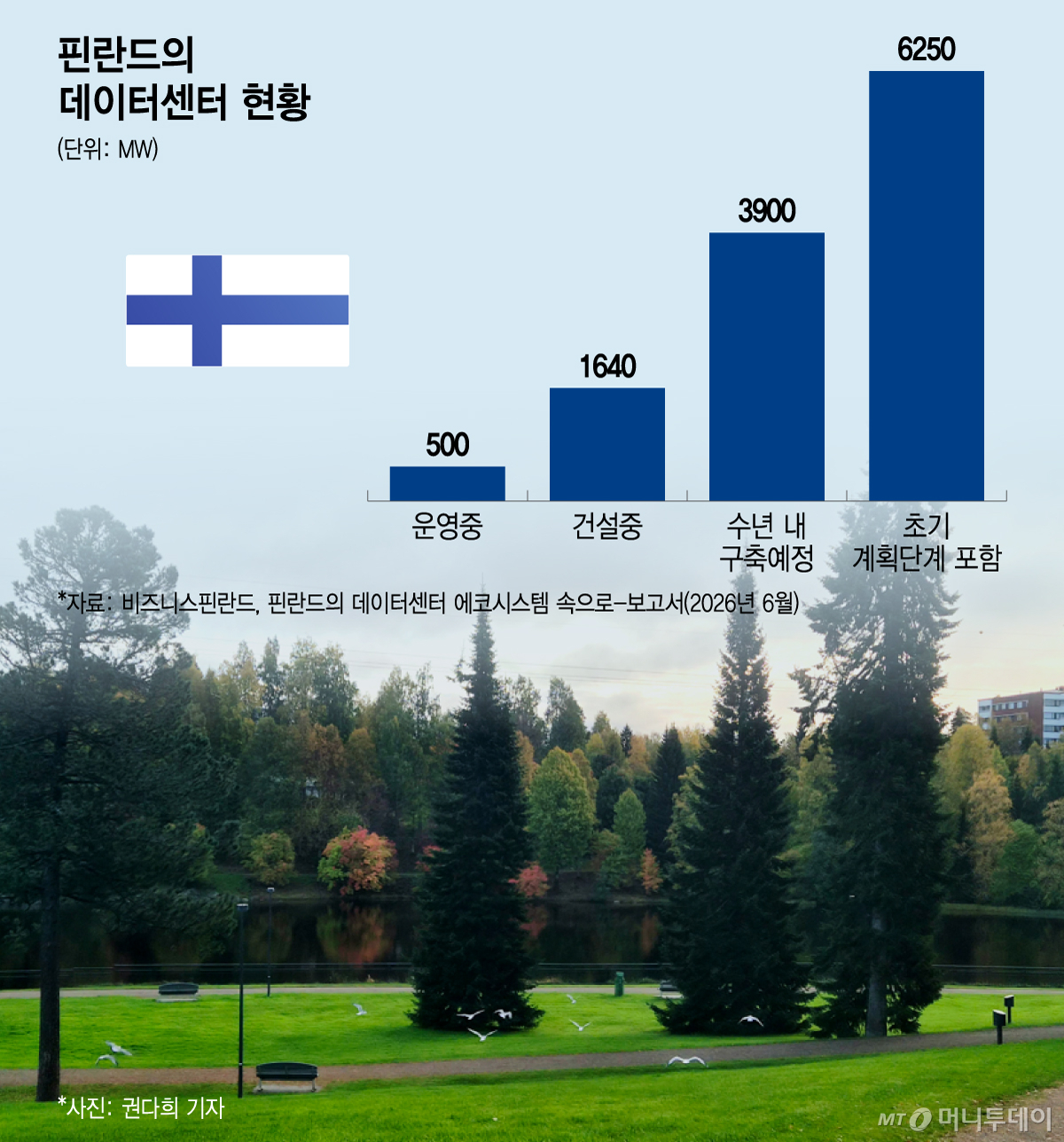
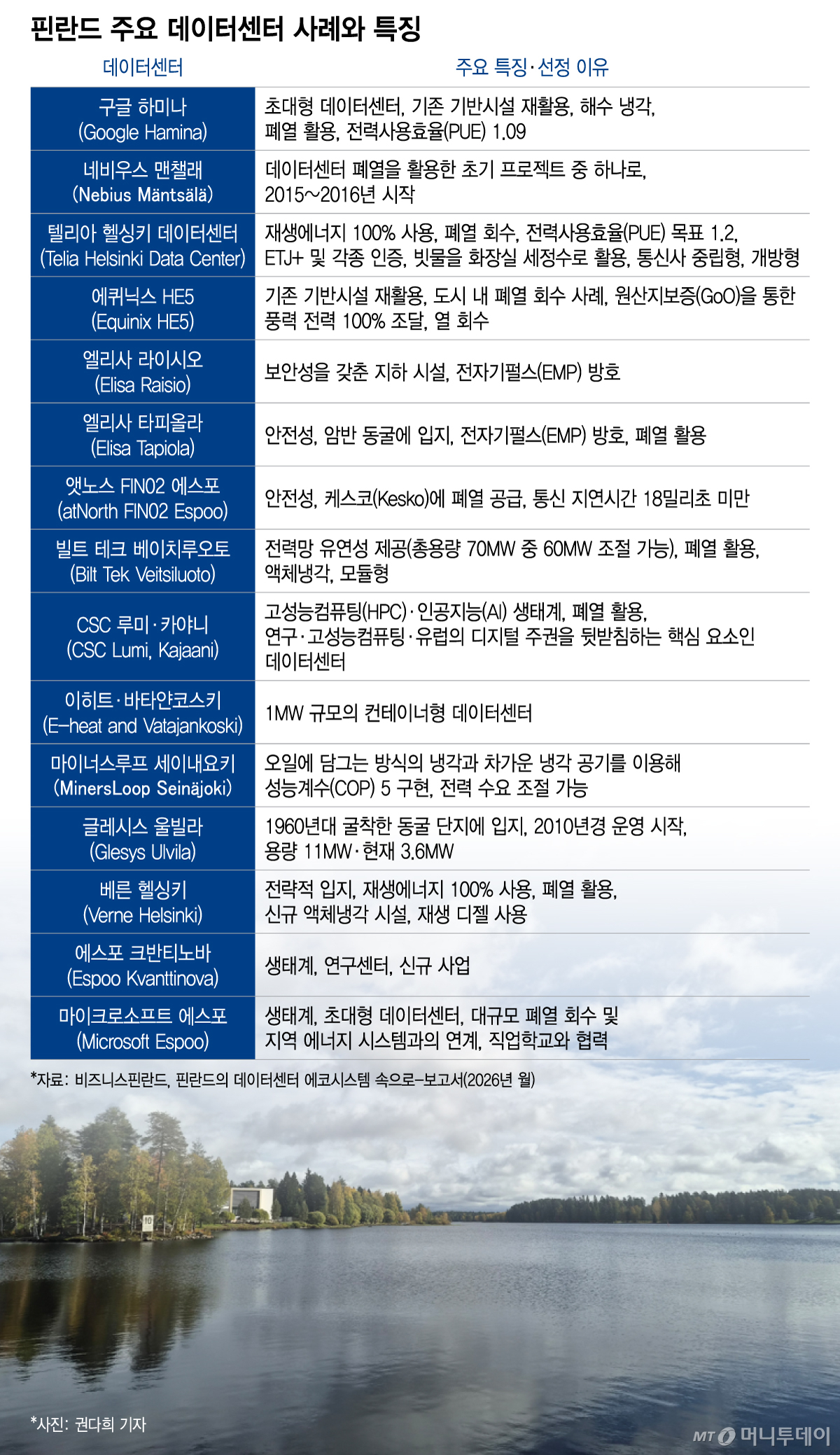
The strategy of transforming halted manufacturing sites into data centers, like the case of the Kajaani industrial park, has established itself as a core investment attraction model across Finland. Google's recently announced large-scale investment in Finland was also underpinned by the experience of successfully verifying the conversion of idle paper mill sites over the past decade or so.
On the 9th of last month, Google announced that it would invest at least 13 billion euros (approximately 19 trillion won) between 2027 and 2028 in key Finnish regions including Kajaani, Muhos, Vaala, and Hamina to build new data centers or expand related infrastructure. Google had already acquired an old paper mill in Hamina, southern Finland, in 2009 and transformed it into a data center. Finland's brownfield strategy (reuse of existing Ministry of Trade, Industry and Energy sites) has rapidly converted idle industrial infrastructure, leading to large-scale investment results as it coincides with the global AI data center expansion period.
Jussi Oikarinen, head of the growth services program at Business Finland, an investment promotion agency under the Finnish government, said in an interview with MoneyToday, "Google's current investment was certainly not achieved overnight," adding that "it is the fruit of mutual trust and a cooperation system built up over a long period since the construction of the Hamina data center."
※ This planned reporting was supported by the Korea Journalists Association and Climate Media Hub.

 in INDUSTRY


