

As the government and the National Assembly build consensus on including electric vehicles in the scope of the domestic production tax credit, fierce debate is expected over the future 'deduction amount' and whether 'exported vehicles' will be included.
According to the automotive industry on Monday, even if the government's 'Electric Vehicle Competitiveness Enhancement Plan,' to be released this week, includes electric vehicles in the domestic production tax credit, significant friction is anticipated in coordinating the details between the government's proposal and bills introduced by both ruling and opposition parties.
The government announced in its tax reform plan released last August that it would introduce a domestic production tax credit, which reduces income and corporate taxes based on production volume for items with weak domestic production bases.
However, contrary to expectations, electric vehicles were excluded from the scope, sparking controversy. As the automotive industry and both parties argued for including electric vehicles, citing the rapid penetration of Chinese brands into the domestic market, the government moved to re-examine the issue, and the results of this review are expected to be reflected in the current Electric Vehicle Competitiveness Enhancement Plan.
The biggest point of interest is the 'base deduction amount,' which is likely to be finalized during the revision of the Enforcement Decree of the Special Tax Restriction Act (Tax Restriction Act) in early next year. The government calculates the total deduction amount by multiplying the production volume by the base deduction amount.
The base deduction amount is set in the enforcement decree, taking into account production costs, selling prices, and other factors. The automotive industry maintains that the base deduction amount should be at least 4 million won, considering the 'ultra-low-price offensive' of Chinese brands.
Rep. Lee Eon-ju of the Democratic Party of Korea also explicitly stated "base deduction amount for electric vehicles: 4 million won per unit" in the Tax Restriction Act amendment bill she introduced as a representative sponsor last September.
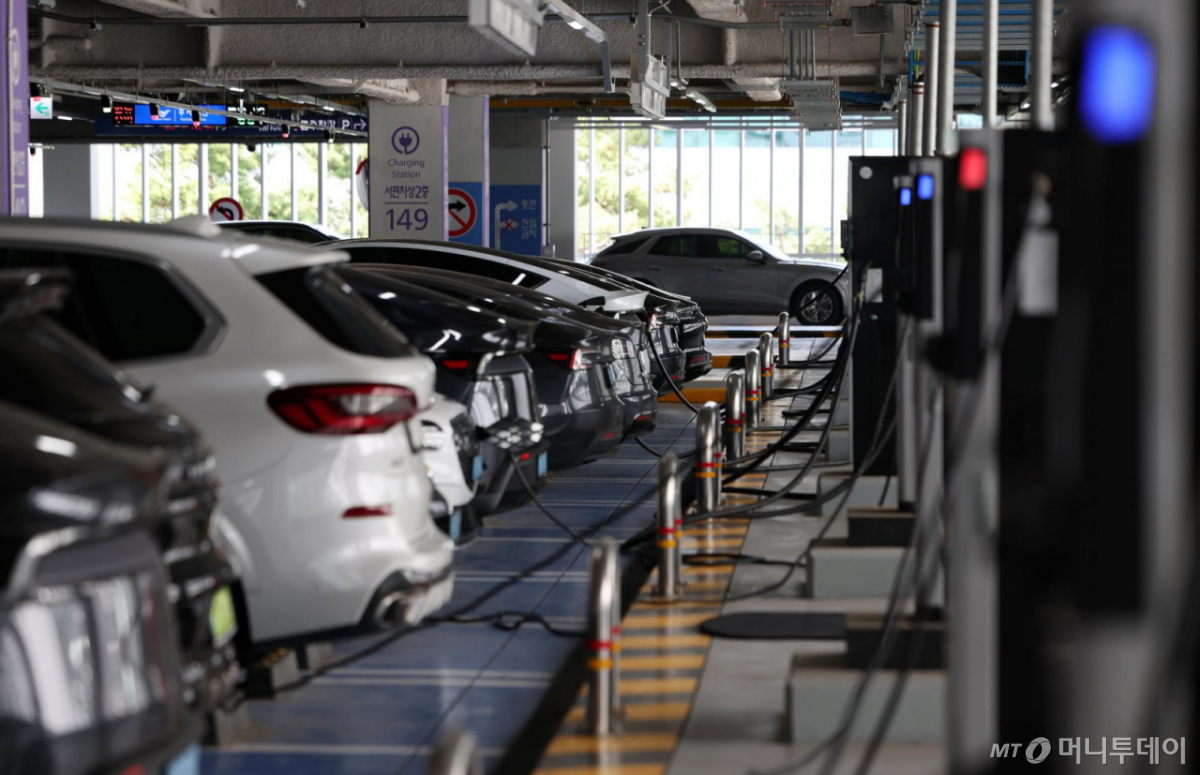
However, considering the decrease in national tax revenue resulting from the implementation of the system, there is a possibility that the government will set the base deduction amount lower than this.
The Tax Restriction Act amendment bill jointly introduced by Reps. Yoon Hu-deok (Democratic Party) and Yoon Han-hong (People Power Party) includes the base deduction amount as a matter to be stipulated in the enforcement decree, thereby strengthening the government's discretion.
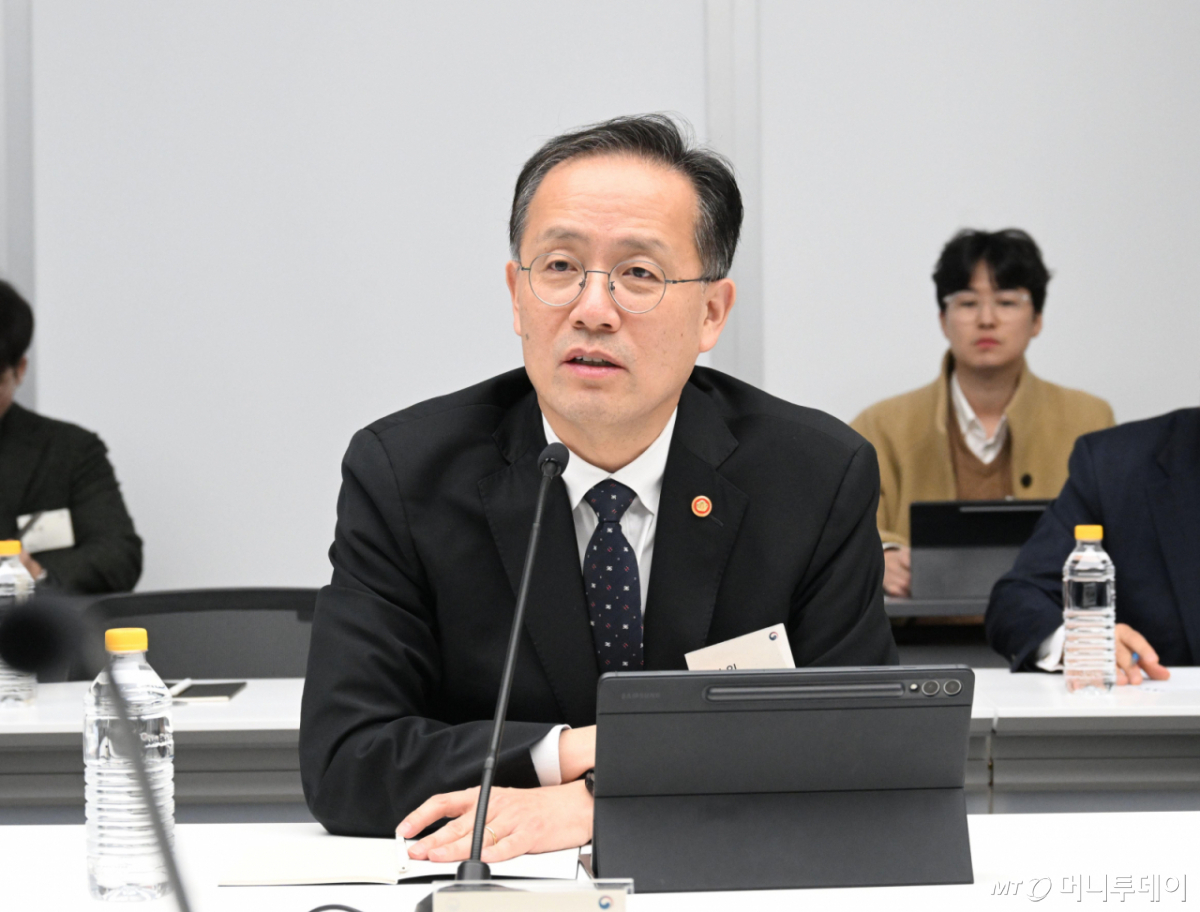
Some observers speculate that, given that Lee Hyoung-il, Deputy Prime Minister and Minister of the Ministry of Economy and Finance, emphasized the automotive industry's 'self-rescue efforts' during a press conference held on the 23rd, the determination of the base deduction amount will comprehensively consider investment, employment, and mutual benefit plans of major domestic companies.
Attention is also being paid to whether export-oriented electric vehicles will receive benefits. The government stated in its tax reform plan that benefits would only be available for vehicles directly produced and sold domestically.
However, Rep. Lee specified "domestic sales or exports" as the scope of application for the system. The automotive industry also takes the position that exported units should be included in the support targets, given that the ultimate goal of this system is to secure price competitiveness in the global electric vehicle market. However, in this case, the scale of tax exemptions would increase significantly, leaving the government with no choice but to proceed cautiously.
On the other hand, opinions are emerging that the issue of fairness with other industries struggling due to the 'Chinese offensive' could become a last-minute variable in introducing the system.
Oh Jong-hyun, Director-General of the Korea Institute for Public Finance, pointed out at a recent meeting of the Fiscal and Economic Planning Committee, "Not only electric vehicles, but also in other industries such as steel, if price competitiveness declines in competition with China, these (support targets) will continue to increase, and fiscal costs will skyrocket," adding, "We must consider what kind of ripple effects this will have."

 in INDUSTRY

