

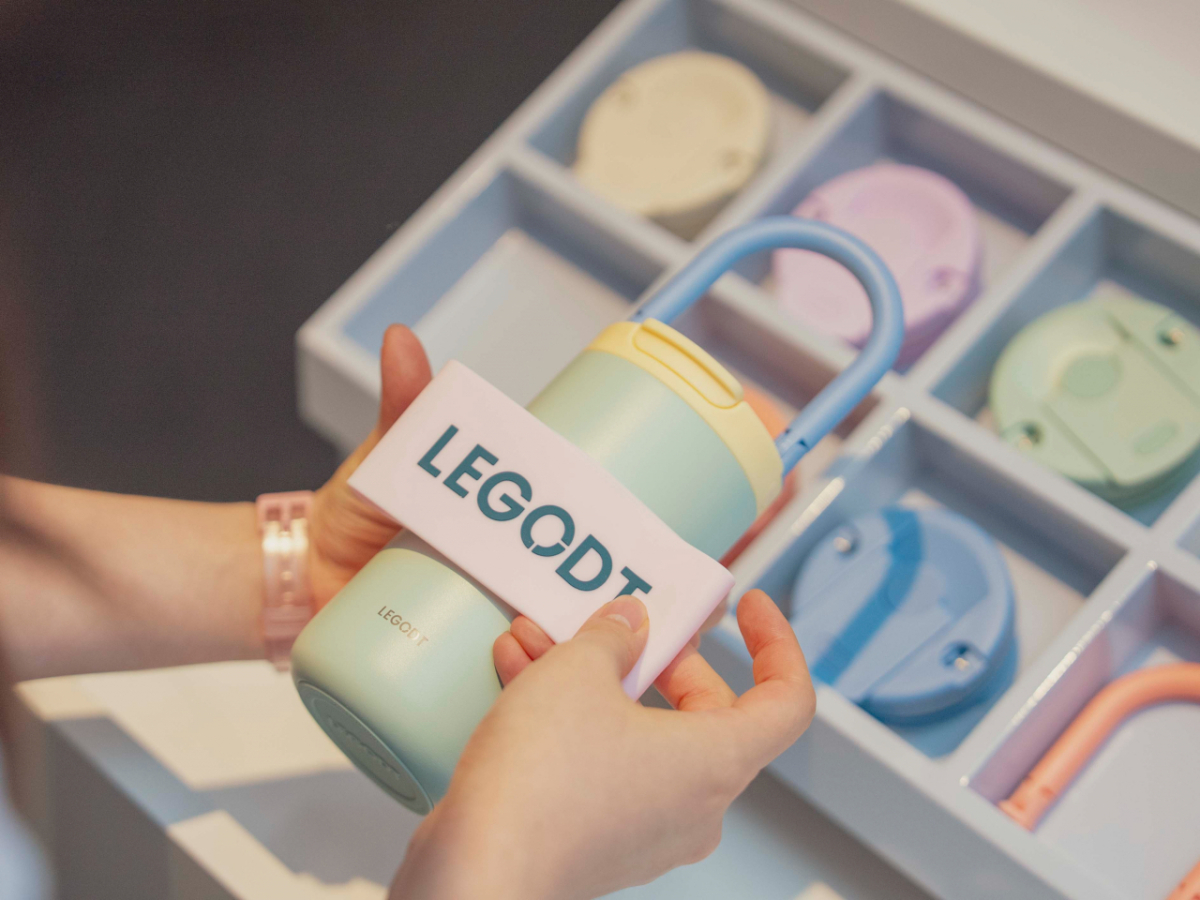
"Even with the same tumbler, depending on how you combine the parts, it feels completely different, so once I make one, I keep using it."
Kim Hee-won (24), a university student, introduced her recently purchased modular tumbler in this way. She said, "The process of directly selecting the colors and components I want was more fun than choosing a finished product."
Moving beyond 'decorating' by attaching stickers and keychains, 'Lego-style' consumption, where consumers assemble and complete products themselves, is spreading among the MZ generation. Rather than simply adding personality to finished products, 'modular customization,' where consumers choose the components of the product itself, is establishing itself as a new consumption trend.
According to CJ OnStyle on the 7th, lifestyle brand LEGODT saw its sales increase by approximately 45% year-on-year in June, fueled by the 'modular tumbler' trend. The new product that drove growth, 'LEGODT Loop Tumbler Module,' is designed to allow consumers to complete their own tumblers by combining 28 parts, including the body, lid handle, and sleeve. Unlike the existing method of choosing a finished product, the process of directly selecting each part has been evaluated as a consumption experience in itself.
This trend is also spreading to other categories. In mechanical keyboards, 'key customization' (keygaku), where keycaps are combined as desired to complete one's own keyboard, is representative. According to data analysis by CJ OnStyle from July 20 to 31, sales of products in the 'keycap' category grew by approximately 320% year-on-year.
The same trend is also detected in the phone case market. Global tech accessory brand CASETiFY has established itself as a representative case brand among the MZ generation in Korea through its 'Custom Builder' method, where consumers directly select and combine color, material, and grip options.
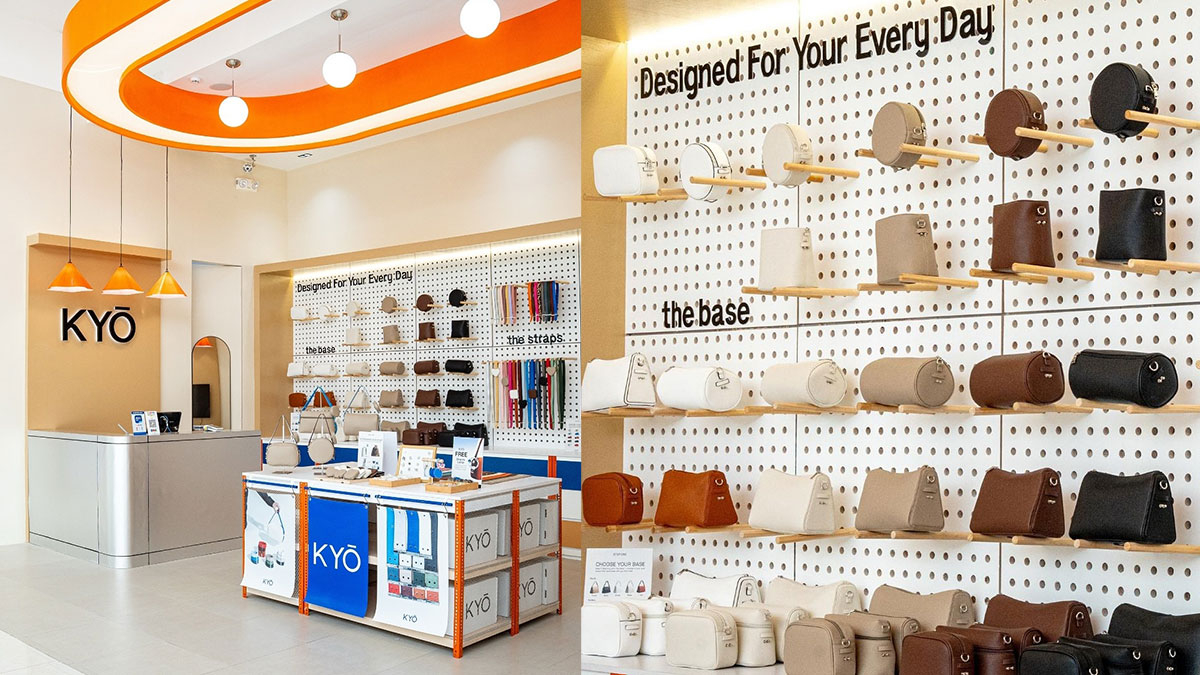
Similar attempts are continuing overseas. In the Philippines, modular bag brand KYO appeared last year, showcasing over 30,000 styles by combining bodies and strap charms, garnering local attention. U.S. travel and camera bag brand Peak Design unveiled a modular 'Travel Backpack 2-in-1' in March that can be separated or combined to use the main backpack and daypack independently. When combined into one, it offers a capacity of over 40 liters; when separated into two, they become independent bags.
Industry experts view this trend as an expansion of 'participatory customization consumption,' where consumers directly participate in the product creation process. Analysis suggests that beyond decorating products after purchase, the experience of completing a product from the start according to personal preferences has itself become an important consumer value.
A LEGODT representative stated, "The modular tumbler is a product planned to allow consumers to combine components as they desire and complete their own product," adding, "We plan to continuously showcase new customization experiences that reflect tastes and lifestyles in the future."

 in LIVING

