

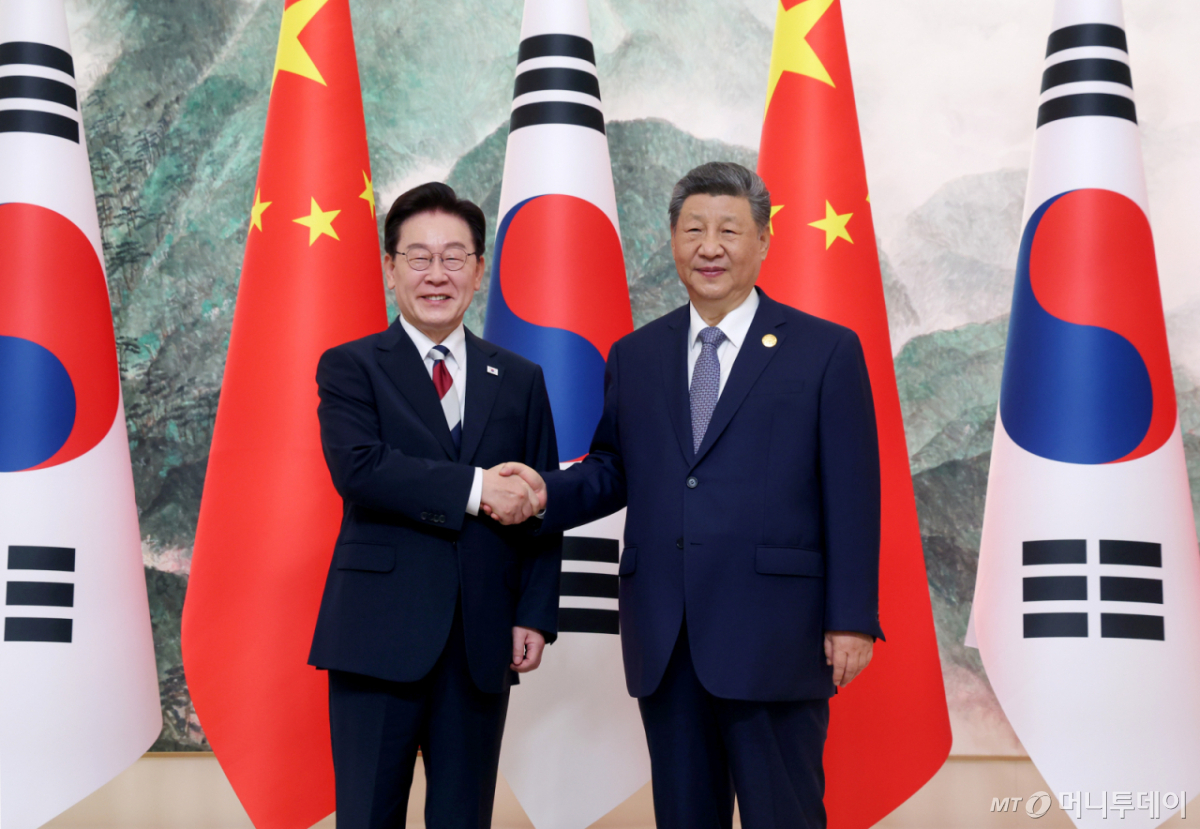
As South Korea reached an agreement with China on follow-up negotiations for services and investment under their Free Trade Agreement (FTA) after eight years and eight months on Wednesday, the industry is expressing both expectations and concerns.
While some forecast that this will create new business opportunities targeting the local population of 1.4 billion, others predict that aggressive investment will be difficult in the immediate term, given the cases of investment failures and losses experienced by South Korean companies following the 2017 THAAD (Terminal High Altitude Area Defense) crisis.
Among the contents of the agreement announced on this day, a key provision in the distribution sector allows companies to operate stores independently without forming joint ventures with Chinese firms if they intend to run more than 30 locations within China.
An official from a major distribution company said, “The fact that the barrier to entering the Chinese market, which has a massive population, has been lowered is a positive aspect in a situation where domestic demand has stagnated.”
However, the official added, “Considering that local operations by South Korean companies were completely halted and suffered enormous damages after the previous cultural boycott incident, I believe few companies will be able to make bold investment decisions.”
An official from another major distribution company stated, “Even if new store investments in department stores or discount stores become easier locally, there will inevitably be differences in the speed of obtaining permits compared to local firms.
Furthermore, if diplomatic conflicts recur as before after entry, there is a possibility of difficulties in recovering investment funds and liquidating assets.” The official added, “I believe companies will first observe the performance of firms entering China and market conditions before considering investments.”
The food industry also shows a mix of expectations and concerns. An official from a food company said, “If opportunities expand in China, one of the world’s largest markets, amid continuing domestic sluggishness, it could become a new avenue for food companies.”
The official added, “It will be an opportunity to strategize on which products to export and how, with a greater focus on the Chinese market.”
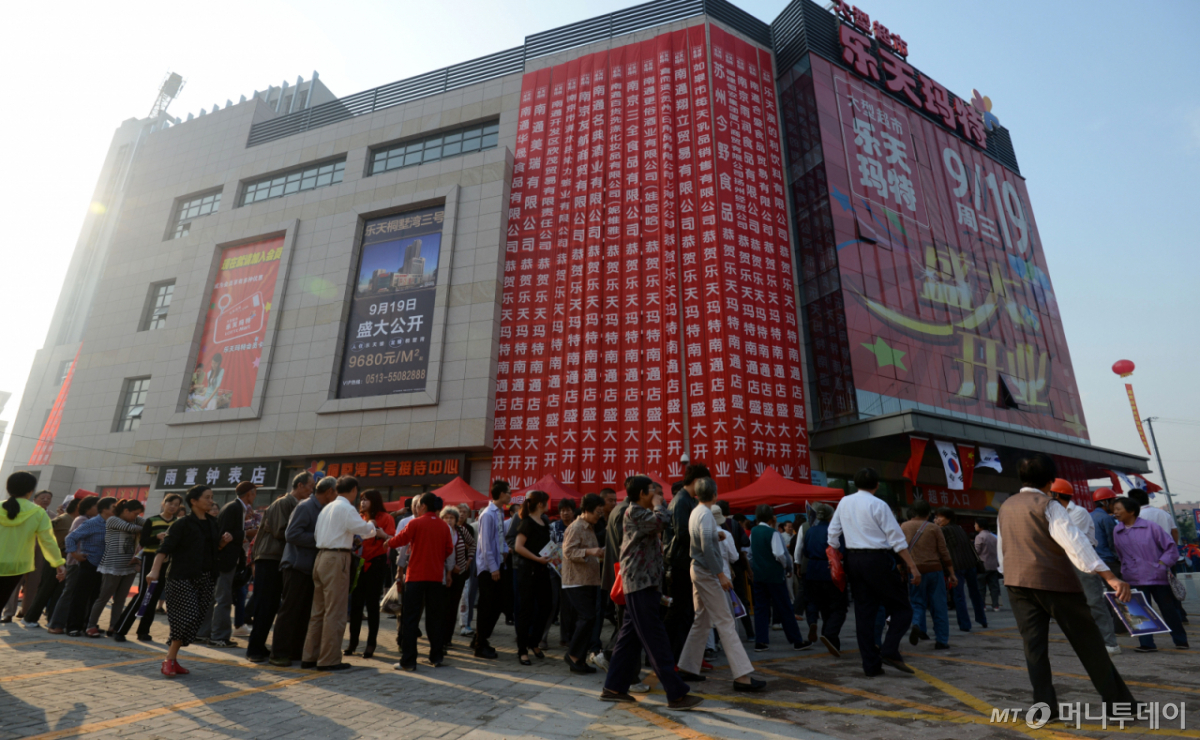
On the other hand, another food industry official said, “It is difficult to be overly optimistic, considering that domestic food and distribution companies faced difficulties in their Chinese operations during the THAAD crisis.”
The official added, “We will be able to judge specifically which aspects are advantageous or disadvantageous only after seeing the follow-up measures based on the agreement between the two heads of state.” The official further noted, “If imports of Chinese food increase further, competition in the domestic market may become even fiercer.”
Temperature differences are also appearing among fashion and beauty industry companies. An official from a major cosmetics manufacturer said, “China is one of the world’s largest cosmetics markets, and we expect the global growth momentum of K-beauty to expand further with this lifting of the cultural boycott.”
An official from a beauty company also stated, “If conditions are created to operate local offline stores directly, not just online, we will be able to more effectively inform Chinese consumers about our products and brands.”
Conversely, an official in the fashion industry said, “While it is positive that the conditions for entering the Chinese market have improved, it remains unknown whether this will translate into tangible effects felt by domestic companies.”
The official added, “Given that business environment uncertainty and risks are as significant as the market’s potential, we need to carefully observe local conditions rather than expecting an immediate expansion of entry.”
The building materials industry, which is struggling due to a slump in the domestic construction sector, expressed expectations for the opening of the Chinese market.
An official from a small and medium-sized building materials company said, “If domestic construction companies win more projects in China, new supply opportunities may arise for domestic building materials firms that supply architectural glass, flooring, paints, and interior finishing materials.”
The official added, “While intense price competition with local Chinese firms is a burden, we can secure new sales channels centered on products with quality competitiveness, such as high-end interior finishing materials.”

 in LIVING

