

Seoul’s housing market continues to experience a 'triple boom' with rising prices in sales, jeonse (lease), and monthly rent. Apartment prices in Seoul have risen for 84 consecutive weeks this year, up 7.94%. All ten real estate experts surveyed forecast an additional increase of 1.5% to 5% by the end of the year. They also expect both jeonse and monthly rents to rise over the next year.
The reason experts foresee a triple boom in sales, jeonse, and monthly rent is clear. Demand continues to surge while new supply dwindles. Additionally, relocation demand from redevelopment projects in Gangnam and Yeouido further strains supply. In such a market, regulatory measures suppress demand, causing genuine buyers with limited access to loans to postpone purchases, while current owners delay selling due to taxes and costs of upgrading. With fewer listings circulating, scarcity drives prices higher.
Amid landlords reconsidering the shift from jeonse to monthly rent due to repayment burdens and declining profitability, stricter owner-occupancy requirements have further reduced jeonse supply. As the transition from jeonse to monthly rent accelerates, remaining jeonse listings shrink while jeonse prices rise. Tenants pushed toward expensive jeonse and monthly rents flock to affordable options in northern Seoul, outer Seoul, and mid-to-low-priced apartments in Gyeonggi-do and Incheon. This is not a 'flattening' of housing prices but rather an effort to 'fill the gap.'
President Lee Jae-myung stated on X that "Gangnam's unbeatable streak will soon become a thing of the past." However, the recent decline in Gangnam’s three districts is merely a temporary adjustment due to regulations targeting ultra-luxury homes. The phenomenon of non-Gangnam areas rising due to the balloon effect persists. While the government’s plan for 1.19 million public housing units holds significance from a welfare perspective, it falls far short of meeting market demand for private urban supply. Instead, it may only heighten the scarcity of existing homes.
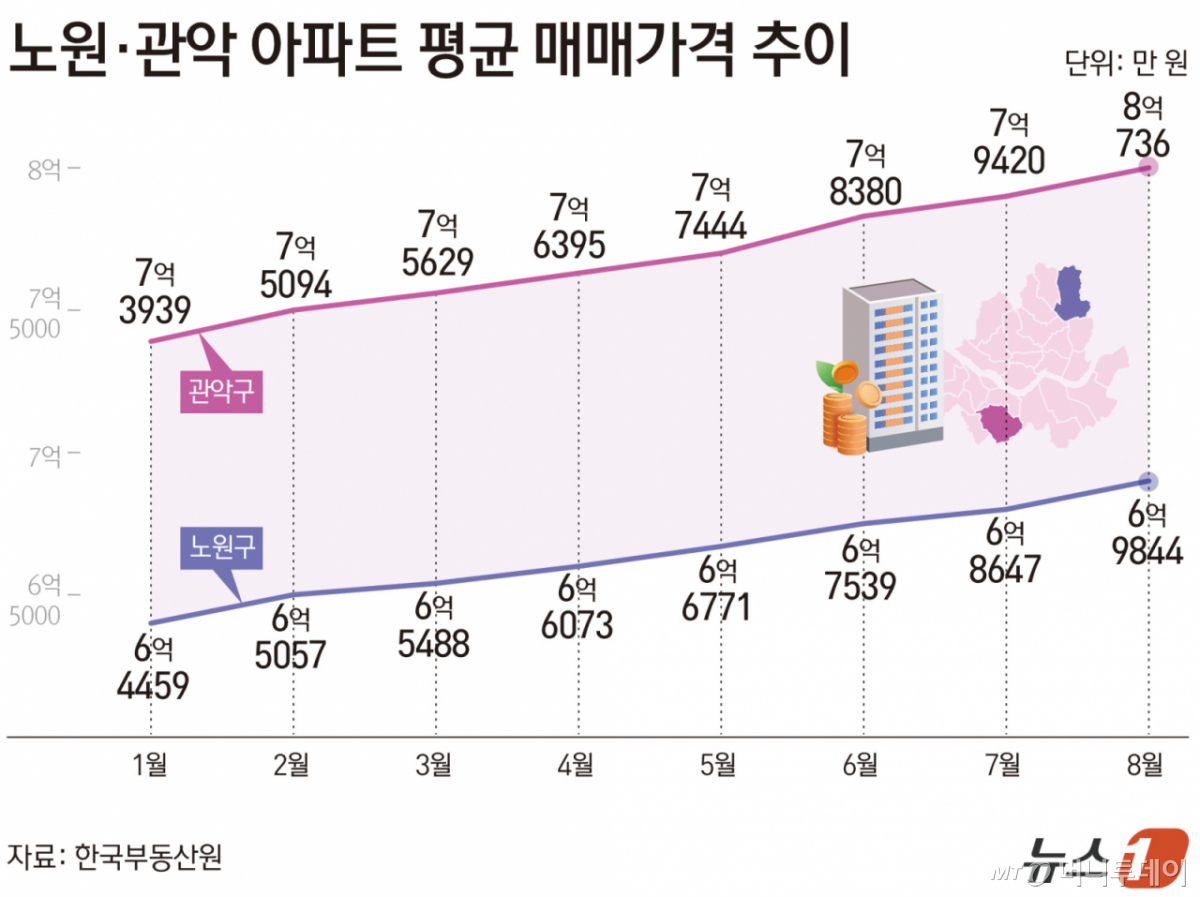
In a market where both sales and jeonse/rent prices are rising, ignoring tenant anxiety could do more than curb speculation; it may fuel panic buying among genuine buyers and increase housing cost burdens for those without homes. Housing prices will not fall simply by blaming the previous administration. Stability will not be achieved by labeling jeonse as a 'vanishing system.' Even regulations targeting speculation through loans and taxes alone are insufficient to control the situation.
There is no disagreement with the President’s intention that "the era of South Korea as a housing speculation republic must become a thing of the past." However, political rhetoric cannot resolve the physical shortages of new housing in Seoul and declining jeonse listings. If supply-demand imbalance is the root cause, expanding supply must take precedence over suppressing demand. Only an accurate diagnosis of the market can lead to effective solutions.

 in OPINION
