

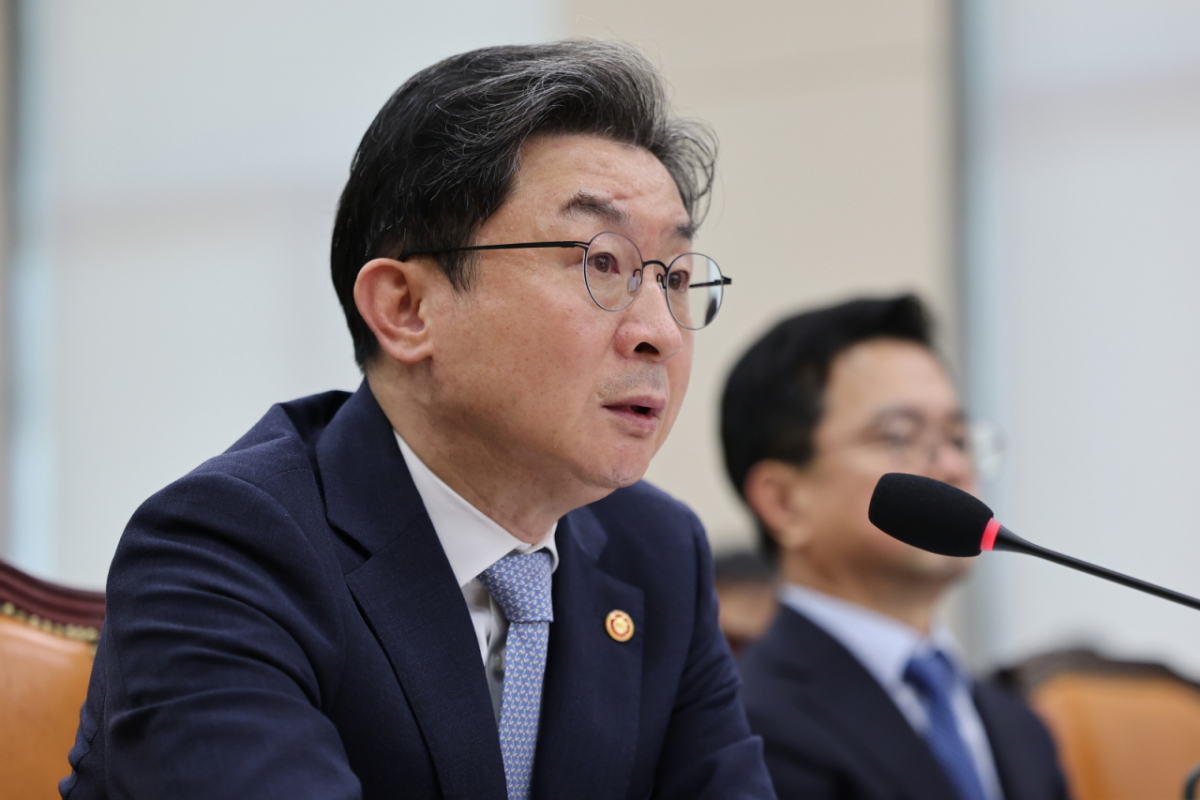
The possibility that virtual asset taxation, scheduled for implementation in January next year, will be deferred again has grown. Lee Eui-won, Chair of the Financial Services Commission, stated at the National Assembly comprehensive audit on the 22nd, in response to calls for a deferral of taxation, that "we must fully consider all various circumstances." This reflects the intention to take into account diverse opinions, given that the Digital Asset Basic Act has not yet been enacted and the legal definition of 'virtual assets' remains unclear.
On this day, at the National Audit by the Committee on Political Affairs held at the Seoul Yeouido National Assembly, Lee (Chairman) stated, "Bills related to digital assets are in final-stage consultations, but we will (consult) as quickly as possible so that discussions can proceed," adding, "There are diverse opinions regarding taxation, and we are currently gathering those opinions."
Song Eon-seok, a lawmaker from the People Power Party, said, "The government's (legislative) bill related to the Digital Asset Basic Act has not yet been released, yet digital asset income tax is set to take effect from January 1 next year," adding, "Taxation is being implemented first in a state where the fundamental nature of digital assets and how policy will be approached have not been determined."
Song (Rep.) argued, "Comprehensive taxation on financial income has also been deferred at this point, yet there are many complaints asking 'why only digital asset income tax is to be implemented immediately from next year,'" stating, "At a minimum, until the Digital Asset Basic Act is established, taxation on digital asset income should be abolished or its implementation deferred."
In response, Lee (Chairman) replied, "As you stated, we must fully consider all various circumstances."
Previously, Kim Min-seok, leader of the Democratic Party of Korea, expressed a stance to reach a conclusion within the year regarding the implementation of virtual asset taxation. Kim (CEO) appeared on the Democratic Party's YouTube live broadcast 'Min-ti 07' that morning and said, "Recently, I proposed to the government that we should reach a conclusion (on virtual asset taxation)," adding, "It is time to begin focused discussions on whether to proceed with taxation as is or to supplement the system."
Virtual asset taxation is a system that imposes a 20% income tax (22% including local income tax) on the amount exceeding an annual deduction of 2.5 million won from income generated through the transfer and lending of virtual assets such as Bitcoin. It was introduced through an amendment to the Income Tax Act at the end of 2020 and was scheduled for implementation in 2022, but has been postponed three times due to reasons including deficiencies in the taxation system and investor protection mechanisms.
The People Power Party has set the deferral of virtual asset taxation as its party stance. Some ruling party lawmakers are also showing a cautious stance regarding taxation.

 in STOCK
