

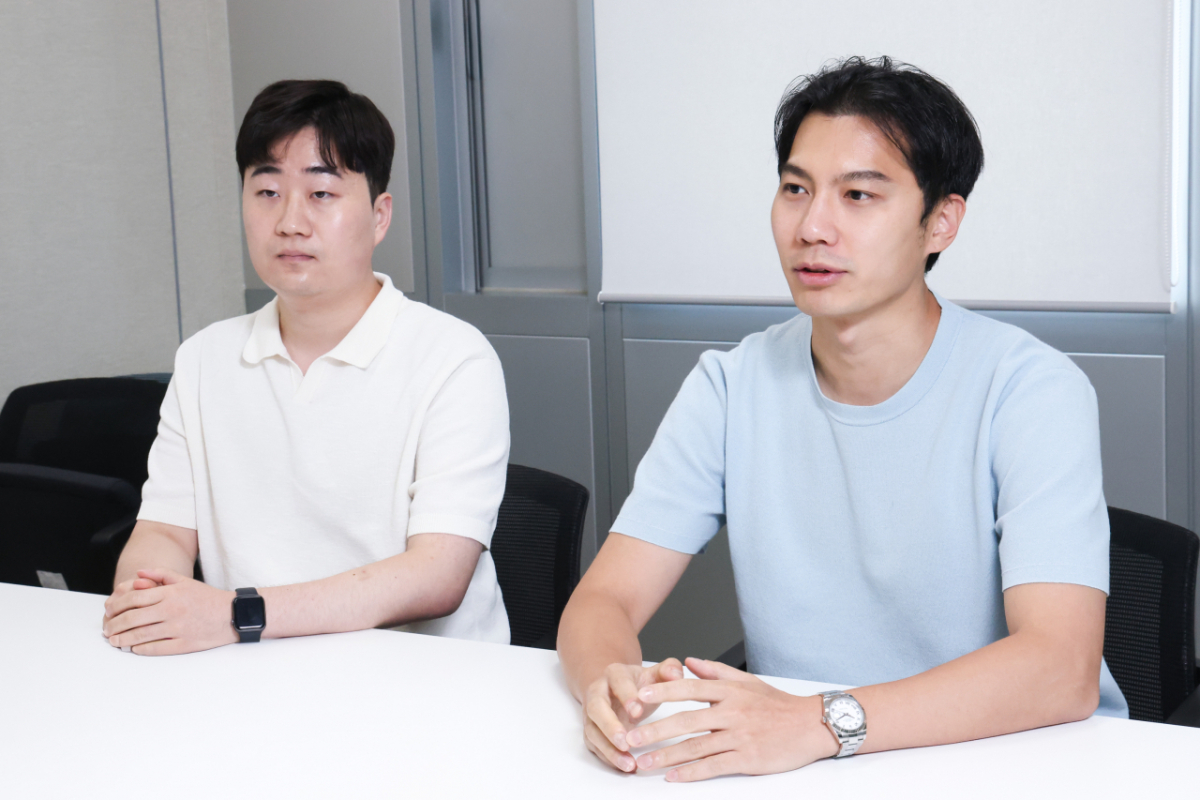
"The satisfaction level of AI agents applying the personalization technology 'Personal Agent' is twice as high as that of general AI agents. However, shoddy personalization actually reduced satisfaction."
Jeon Young-hwan of LG Uplus Personal Agent Gi Sul (Team Lead) stated in an interview with MoneyToday on the 5th that "personalization must be solidly implemented based on data and technology," citing user evaluation results.
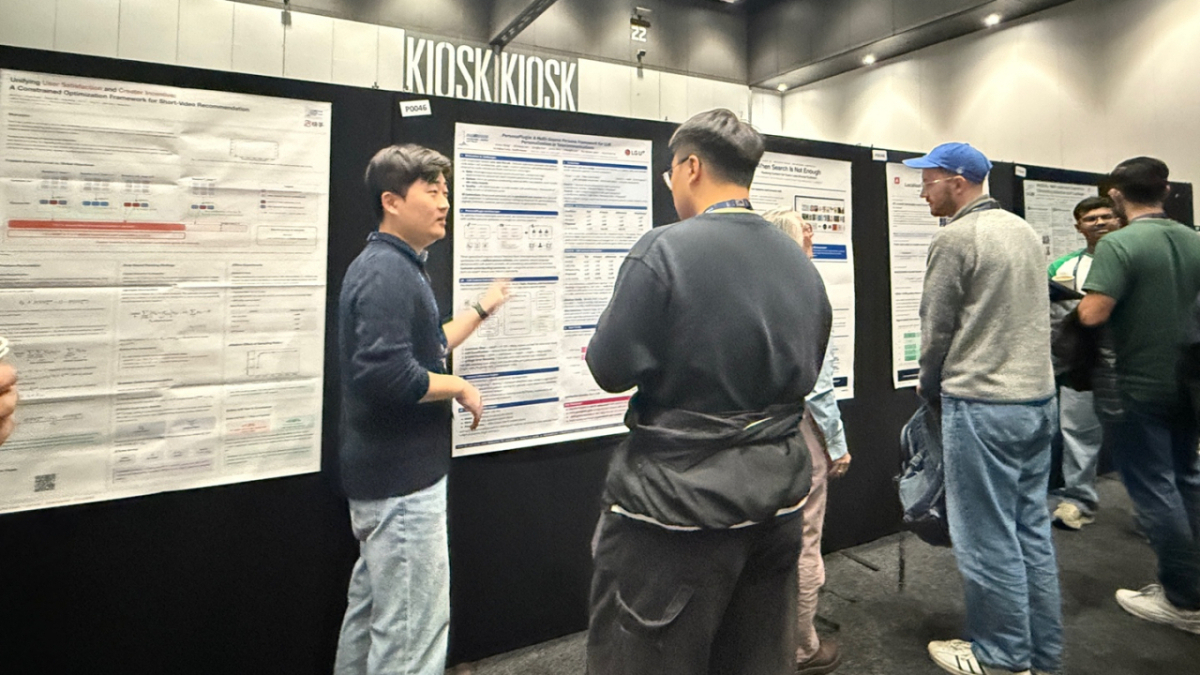
Personal intelligence is a technology that analyzes data such as call summaries, web and app usage records, and location information to understand users. Unlike existing personalization technologies that rely on limited information like age or specific service usage history, this approach comprehensively analyzes various types of data. The related paper was accepted at the international academic conference 'SIGIR 2026' last month, drawing industry attention.
LG Uplus has been developing personalization technology based on content and click history since 2021. As a telecommunications company, it can comprehensively secure diverse data. Team leader Jeon explained, "Generative AI and portal services are used only for specific purposes like work or search, but Personal Intelligence is a tool that accompanies users 24/7, enabling the acquisition of various data including work, leisure, and childcare."
Personal intelligence can also operate as a plug-in. Similar to inserting a USB drive containing files into various devices, this method connects data-filled plugs to various LLMs (large language models). Team leader Jeon explained, "As you use generative AI, information about you gets learned, resulting in more contextually appropriate responses. It can also be easily applied to external LLMs."
Personal information is protected by a dual filter system called 'blacklist' and 'whitelist.' The blacklist blocks sensitive information such as medical records and criminal history, while the whitelist categorizes sensitive data into broad top-level categories. For example, users interested in 'politics' are classified as having an interest in 'current affairs,' preventing the collection of specific political leanings or party affiliations. Senior Reporter Kang Jin-mo of the same team stated, "We had many concerns about how to protect personal information during the research process and decided to implement a two-stage filter to minimize side effects."
To advance its technology, LG Uplus has built an AI judge (JUDGE). This AI was implemented with 70% similarity based on initial test results from internal employees. LG Uplus posed over 1,000 questions to Personal Intelligence and had the AI judge evaluate the responses. Team leader Jeon explained, "Since employees cannot perfectly represent outsiders, we allowed about 30% of them to act freely."
The criteria for evaluating Personal Intelligence responses are relevance and accuracy: whether it provides personalized answers and whether those answers match the questions. For example, if asked "Recommend nearby restaurants around our company," the system is evaluated on whether it accurately identifies the company location and avoids recommending non-restaurants like gyms or nail salons.
LG Uplus plans to apply Personal Intelligence to various services. Team leader Jeon explained, "By collecting interest and service usage data, we can recommend precisely tailored benefits or subscription products. Services that recommend work materials during work hours and childcare content during parenting hours will also be possible."

 in TECH


