

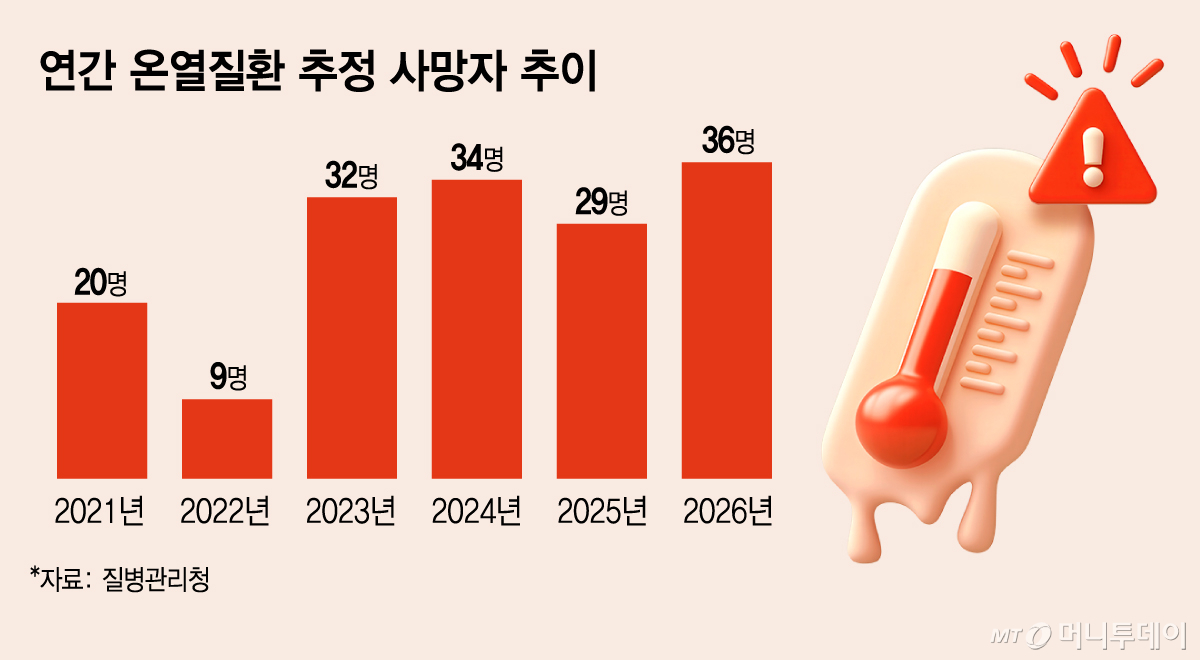
The number of deaths attributed to heat-related illnesses this year was tallied at 36, seven more than last year. This is the second-highest death toll since 2018, which was dubbed a "record-breaking heatwave." It appears that deaths have increased, particularly among the elderly, as climate change has caused heatwaves to occur earlier and with greater intensity.
According to the KDCA's Emergency Room Surveillance System for Heat-Related Illnesses on the 2nd, the cumulative number of heat-related illness cases this year was 4,066, with an estimated 36 deaths. Compared to last year (4,460 heat-related illness cases and 29 deaths), while the number of patients decreased, the number of deaths actually increased. This year's death toll is the second-highest since health authorities began operating the heat-related illness surveillance system in 2011, following 2018 (48 deaths).
A Korea Disease Control and Prevention Agency official said, "It appears that environmental factors involving prolonged exposure to heatwaves due to rising temperatures and persistent tropical nights have contributed to the increase in deaths," adding, "If high temperatures persist not only outdoors but also indoors, the risk of health damage from heatwaves may increase for vulnerable groups such as the elderly."
The most frequently occurring heat-related illness this year was heat exhaustion (2,512 cases). This was followed by heatstroke (704 cases), heat cramps (471 cases), and heat syncope (316 cases), in that order. By age group, the highest number of heat-related illness cases occurred among those aged 65 and older (1,421 cases).
This year, which saw an early onset of intense heat, the first heat-related illness death was reported on May 15. At the time, a man in his 80s was reported as the first fatality amid a heatwave where the highest temperature in Seoul reached 31.3℃. This is the earliest recorded death case since the launch of the Emergency Room Surveillance System for Heat-Related Illnesses. The first heat-related illness death last year was reported in June.
It appears that cases of health damage from heatwaves are increasing as the timing and intensity of heatwaves have grown due to recent climate change. The onset of heatwaves also arrived earlier than last year. According to the Korea Meteorological Administration, the earliest heatwave this year occurred on May 16, four days earlier than last year (May 20).
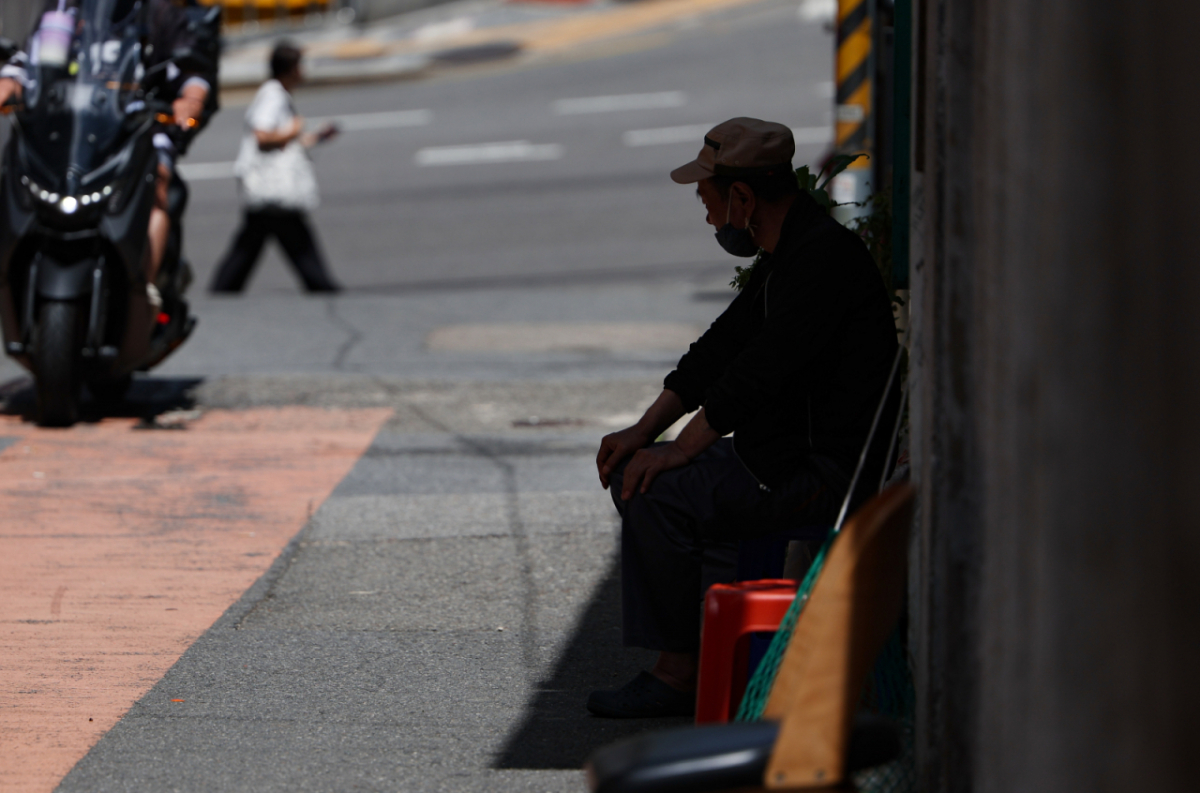
Heat-related illnesses are fatal for the elderly and children, who have reduced thermoregulatory capabilities. In particular, the elderly show a high risk of death from heat-related illnesses. From 2011 to 2025, the number of estimated deaths from heat-related illnesses among those aged 60 and older was 174, accounting for 65% of the total deaths (267) during that period.
The need for strengthened selective support for vulnerable groups is also being emphasized. Countermeasures are needed because the risk of heat-related illness can vary depending on environmental conditions, cooling facilities, and energy cost burdens even in residential spaces. Approximately 25% (1,004 cases) of this year's heat-related illness cases occurred indoors, including at home.
Previously, the Seoul Institute emphasized in a related report that "in aging housing, semi-basements, rooftop rooms, and homes with poor insulation or significant solar radiation, indoor temperatures may drop more slowly than outdoor temperatures and heat may accumulate even at night," adding, "Because the elderly and children reduce outdoor activities during heatwaves and spend longer periods at home, indoor heat risk is a core area that must be addressed in heatwave response."
Regarding measures for abnormal climate events such as heatwaves, the Korea Disease Control and Prevention Agency has newly allocated 400 million won in next year's budget. It plans to support operating costs (approximately 530 locations) for the Emergency Room Surveillance Project for Heat-Related and Cold-Related Illnesses and strengthen real-time surveillance systems, including upgrading heat-related illness occurrence prediction models. A KDCA official said, "We plan to proceed with medical institutional investor budget support for overall quality management of the emergency room surveillance system," adding, "We plan to establish a cause investigation system for heat-related illness occurrences."

 in THEBIO

