

Recently, as microplastics and antibiotics have been repeatedly detected in tap and wastewater around the world, the importance of managing drinking water has come into focus. Against this backdrop, attention is turning to the background behind the announcement by NSF (National Sanitation Foundation), a global certification body known for its rigorous approval process, that it will develop a new "certification" for water management in the Asia region together with Korea. We met with David Nance, President of NSF, who recently visited Korea, and asked about the background and goals behind the development of the new certification.
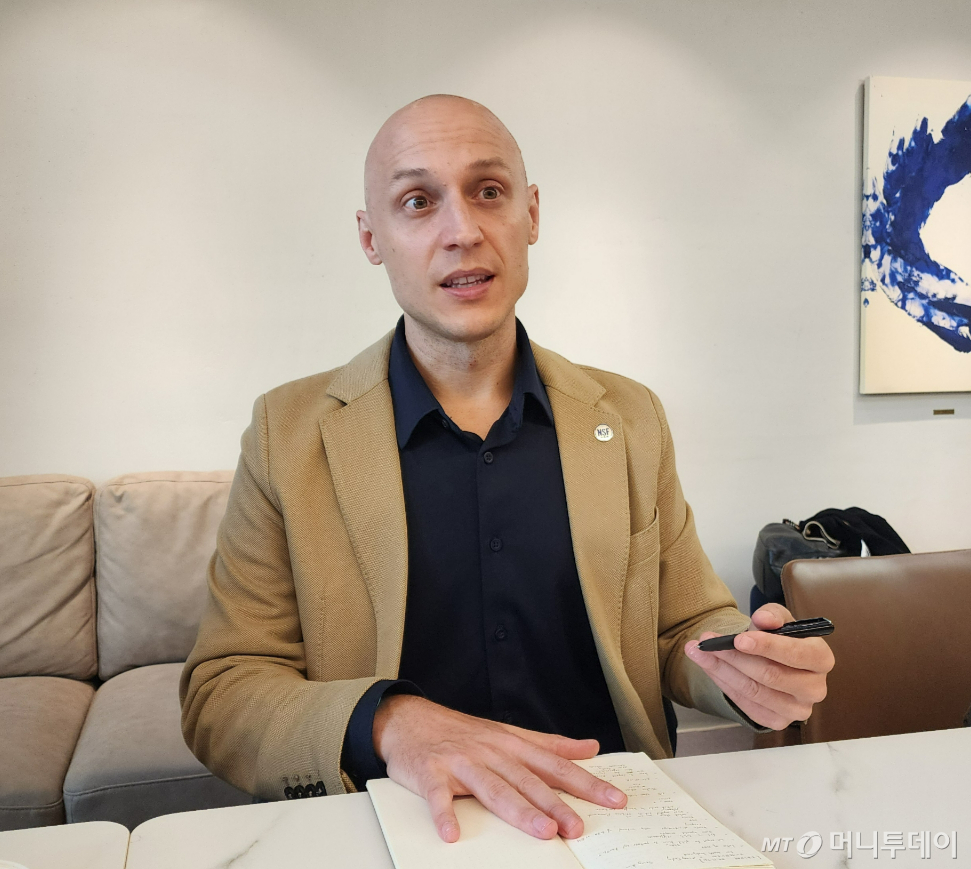
"NSF started with food industry certifications in the 1940s and has operated as an independent public health institutional investor for 80 years. It is currently designated as a World Health Organization (WHO) Collaborating Centre for Food Safety and Water Quality. We have developed certifications, testing procedures, and standards for products closely related to human health, such as drinking water, health functional foods, and water purifiers. To date, more than 40,000 entities in 110 countries have received NSF certification."
"Globally, the rate of detection of PFAS (per- and polyfluoroalkyl substances), which are harmful to human health, has increased in wastewater. PFAS are persistent chemicals that do not easily break down in the natural environment due to their highly stable chemical structure. How to manage and reduce PFAS dissolved in water has also emerged as an important task from a water quality management perspective. Pharmaceutical substances and microplastics continue to be detected as well. If medications used in households are not properly disposed of, they can flow into the natural environment and potentially affect drinking water in the long term. When water supply pipes connecting tap water systems to buildings and homes, joints containing lead components, aging pipes, and faucets deteriorate, heavy metals such as lead can dissolve into the water. NSF provides related testing, analysis, and certification services to ensure that these contaminants are not detected in tap water systems and household water purification systems."
"Yes. The content of NSF certification varies depending on the number; for example, NSF/ANSI 42 is granted only to products that have passed tests for taste, odor, and chlorine improvement, 53 for the reduction of harmful contaminants, and 61 for the safety of materials in contact with drinking water. On the 3rd of last month, NSF held the first external review meeting for the water safety standard being co-developed with the Korea Water Technology Certification (KWTC). The two institutional investors agreed to pool their efforts to create a new standard, 'NSF/KWTC 555,' that can cover the Southeast Asian region regarding water."
"NSF/KWTC 555 is a standard addressing the safety of products used while water flows from the Suwon to the faucet in tap water systems. Representative inspection targets include pipes buried underground, piping inside buildings, faucets, valves, and various components. We aim to evaluate whether substances that could harm human health leach out when various materials such as rubber rings and metal parts come into contact with water. In short, it focuses on evaluating the safety of tap water-related products and components that come into contact with water during the process of delivering treated water from the Suwon to homes. The number '5' was used in the certification number considering that the digit '5' evokes balance and harmony in Eastern cultures, similar to the concept of yin-yang and the five elements. It also carries the meaning of hoping that NSF/KWTC 555 will serve as a standard for water quality in Asian countries and contribute to achieving the harmony of high-quality water."
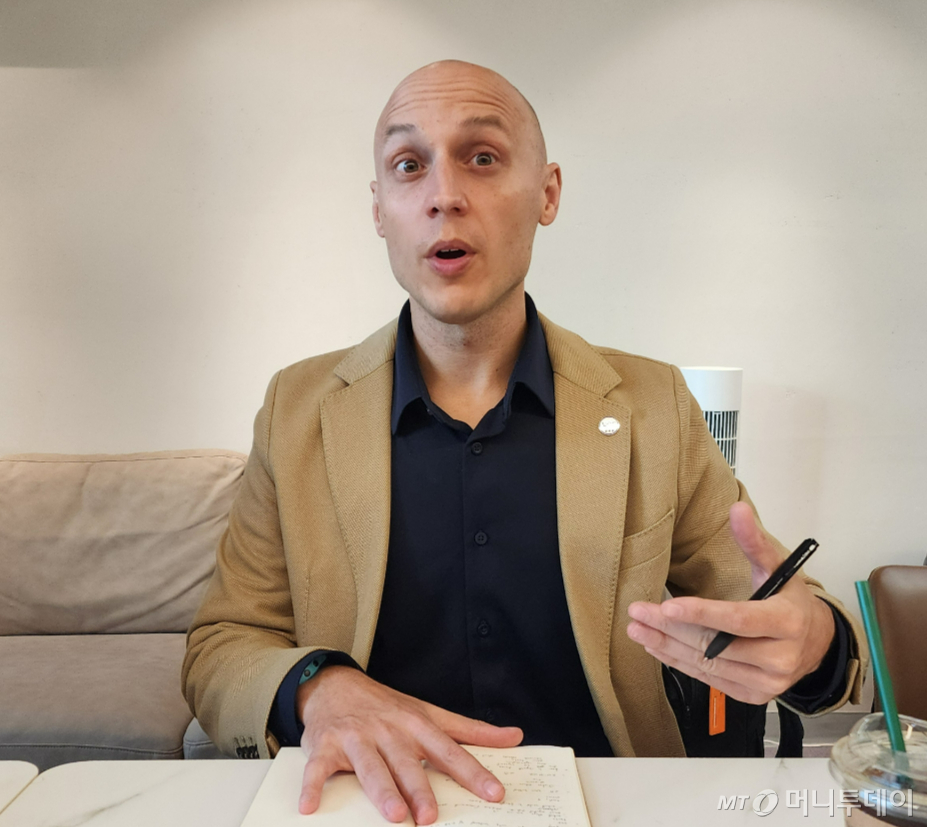
"Currently, there are not enough common agreed-upon standards that can be widely applied to drinking water system components in Southeast Asia. If each country applies different testing and certification requirements, manufacturing companies must undergo multiple tests and certifications for identical or similar products. This consumes cost and time from the company's perspective, delays market entry, and can only increase business uncertainty. From a health perspective, if integrated standards reflecting regional characteristics and needs are established, it can enhance the consistency and reliability of water safety management by country. Korea possesses innovative manufacturing technology for water-related products and is an important country leading the Asian water industry. Additionally, we judged that the Korea Water Technology Certification (KWTC) has the expertise and position to understand not only regulatory aspects but also the demands of the manufacturing industry, making it a suitable partner to co-develop standards for the Southeast Asian region with NSF."
"We are currently in the stage of finalizing the draft and have set a goal to issue the NSF/KWTC 555 certification standard in December. Prior to this, we held an in-person external review meeting in Seoul with officials from regulatory institutional investors and testing institutional investors in the Asian region in July last month, and have been revising the standard based on the opinions received at that meeting and proceeding with final procedures. The goal is to combine NSF's 80-plus years of experience in developing global water sector standards and certifications with the regional expertise of the Korea Water Technology Certification to create a science-based common standard that companies, consumers, and regulatory institutional investors can trust and utilize. Even after the application of NSF/KWTC 555, we plan to continuously identify each country's policy goals and regulatory demands regarding water quality, as well as the health and safety standards consumers desire for water. We expect this certification to be widely used and established in various Southeast Asian countries."

 in THEBIO

