


A study has found that children born to mothers who experienced gestational diabetes face up to more than four times the risk of developing type 2 diabetes during their growth process.
The KDCA National Institute of Health Research disclosed on the 7th the results of a study that tracked data from 3,491,680 mother-child pairs among newborns born between 2009 and 2018 for up to 14 years (median 9.5 years), using data from the National Health Insurance Service. The study excluded cases where mothers had been diagnosed with diabetes before pregnancy. This is the largest-scale study analyzing the distinct effects of gestational diabetes on children's type 1 and type 2 diabetes among Asian populations.
The researchers categorized mothers into three groups: those without gestational diabetes, those with gestational diabetes managed without insulin therapy, and those with gestational diabetes who received insulin therapy, and compared the incidence of type 1 and type 2 diabetes in their children.
As a result, children of mothers with gestational diabetes who did not receive insulin therapy had a 1.28 times higher risk of developing type 2 diabetes compared to children of mothers without gestational diabetes. The risk was as high as 4.3 times for children of mothers who required insulin therapy during pregnancy.
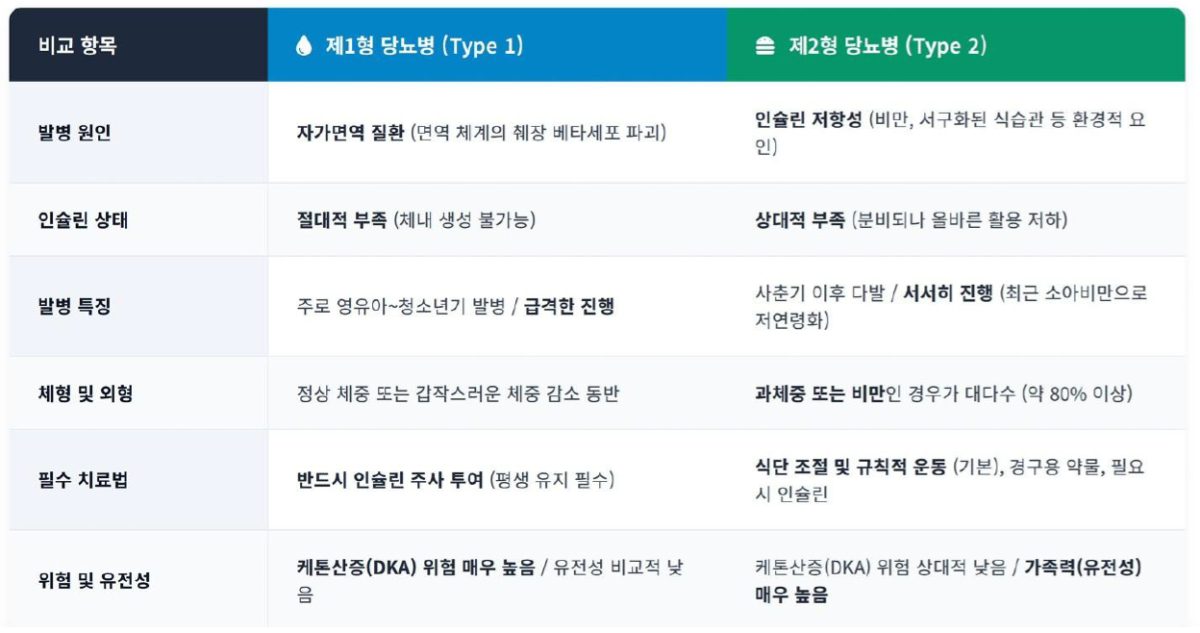
Children of mothers with gestational diabetes managed without insulin therapy showed no clear association with the risk of developing type 1 diabetes. However, children of mothers who required insulin therapy were found to have a 1.9 times higher risk of developing type 1 diabetes, even though it is known that this condition has little genetic predisposition.
Gestational diabetes is a state of high blood sugar first detected during pregnancy in women who did not have diabetes before pregnancy. It is a pregnancy complication that occurs in more than one in every 10 pregnancies worldwide. Blood sugar is managed through diet and physical activity, and medication such as insulin is administered if it is not sufficiently controlled. After delivery, blood sugar levels return to normal for most mothers, but they face an increased risk of developing type 2 diabetes later on, requiring continuous health management.
Kim Won-ho, a chronic disease fusion Bok Hap-yeon-gu (Director), stated, "Children of high-risk mothers with gestational diabetes who required insulin therapy during pregnancy need individualized and continuous management, such as regular checks of weight and blood sugar levels during their growth process." He added, "On the occasion of 'Pregnant Women's Day' on the 10th, we urge pregnant women and their families to pay attention to blood sugar management during pregnancy and health management after delivery."

 in THEBIO

