

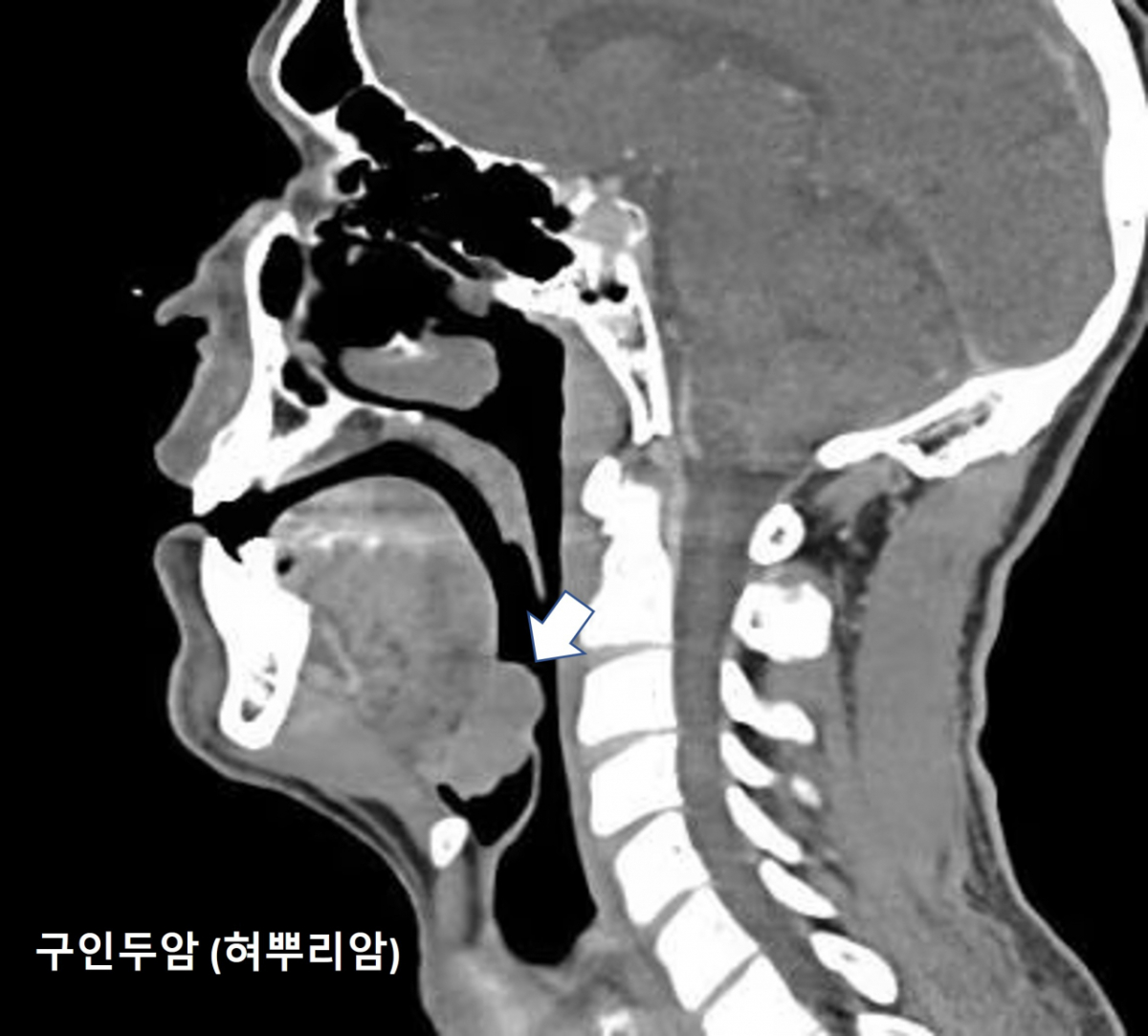
In Korea, approximately 5,000 people are newly diagnosed with head and neck cancer every year. However, it is important to note that the pattern of occurrence of head and neck cancer has changed. In the past, smoking and alcohol consumption were cited as the main causes of head and neck cancer, but recently, head and neck cancer associated with human papillomavirus (HPV) infection has been rapidly increasing worldwide, including in Korea.
Head and neck cancer is a type of cancer that occurs in a wide area from below the skull (skull base) to the upper part of the esophagus. Malignant tumors occurring in about 30 locations, such as the oral cavity (tongue), paranasal sinuses (nose), salivary glands, pharynx (tonsils), and larynx, excluding the brain and eyes, are collectively referred to as head and neck cancer.
HPV has long been known as a cause of cervical cancer in women. Among head and neck cancers, oropharyngeal cancer occurring near the base of the tongue (including tonsil cancer and sublingual region cancer) has recently increased significantly due to HPV infection. Currently, it is reported that more than 70% of oropharyngeal cancers worldwide are associated with HPV infection.
HPV, which primarily resides in mucous membranes, is transmitted through sexual contact, including oral sex. As a result, the incidence of head and neck cancer has been increasing among younger age groups recently. In countries such as the United States and Europe, HPV-related oropharyngeal cancer is already on the rise rapidly, and in Korea as well, while "smoking-related head and neck cancer" has decreased, "HPV-related cancer" is increasing.
Head and neck cancer has almost no early symptoms, so it is often already advanced at the time of discovery. Depending on the location and stage, the overall average 5-year survival rate is in the 50-60% range, indicating a poor prognosis. However, if detected early, more than 80% can expect a cure. If you feel a lump in your neck, have persistent ulcers inside your mouth, or experience a continuous hoarse voice, you must see a specialist.
While smoking cessation and reducing alcohol intake remain important for preventing head and neck cancer, blocking HPV infection itself has now emerged as a key task. The most effective method for this is HPV vaccination.
In Korea, free HPV vaccination for 12-year-old male adolescents was implemented starting in May of this year. This is a result reflecting the fact that HPV infects not only women but also men and causes various cancers, including oropharyngeal cancer.
The HPV vaccine is most effective when administered before infection occurs. Therefore, it is important to get vaccinated around puberty, before sexual experience. In particular, while the need for vaccination has been relatively less emphasized for male students in the past, active vaccination is now necessary not only for their own health but also to reduce infections across society as a whole.
Text=Reporter Jung Sim-gyo [email protected], Consultation=Park Jun-wook, Director of Head and Neck Cancer Center at Catholic University of Korea Seoul St. Mary's Hospital (Professor of Otolaryngology).

 in THEBIO
