

Experts have called for improvements to the national blood supply system, particularly in medically underserved areas. As medical drones capable of rapidly transporting blood in emergencies gain attention, they have also pointed to a lack of domestic technology as a key limitation.
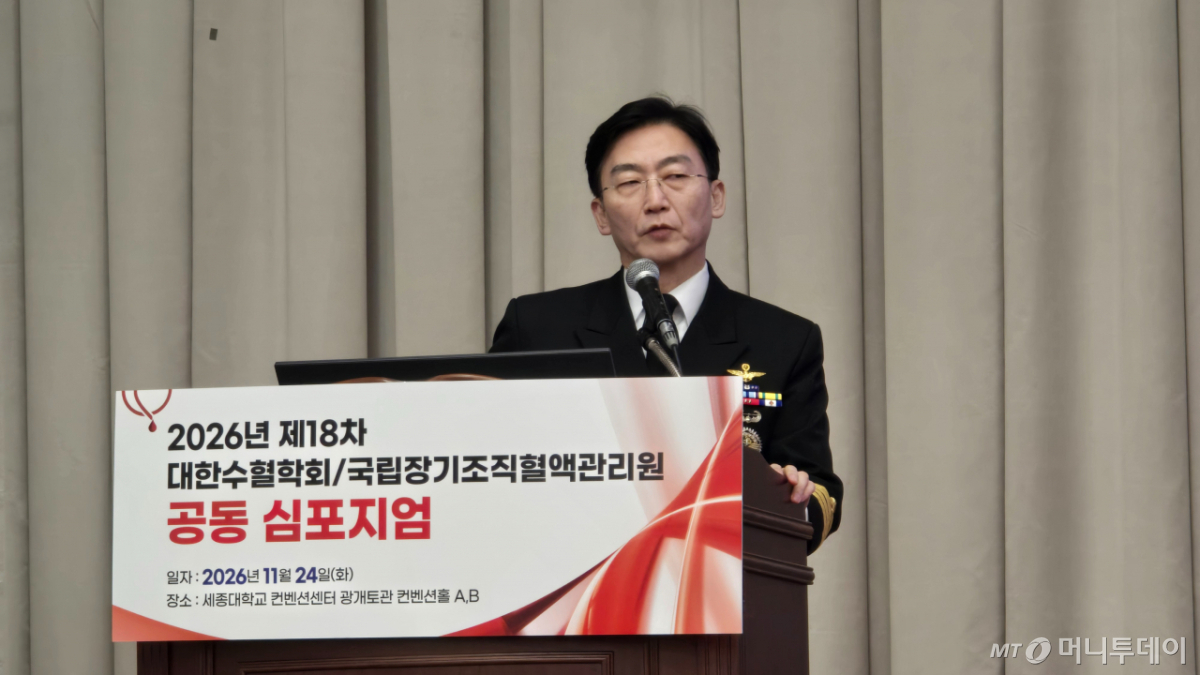
Gen. Lee Guk-jong, head of the Armed Forces Daejeon Hospital, said that advances in drone technology could enable the transport of not only blood products but also patient samples to distant hospitals, helping establish remote medical care systems for island communities.
He made the remark at a joint symposium hosted by the National Center for Organ, Tissue and Blood Management under the Ministry of Health and Welfare and the Korean Society of Blood Transfusion at the Sejong University Convention Center in Gwangjin-gu, Seoul, Tuesday.
Lee said the Armed Forces Daejeon Hospital had also used drones to deliver blood reliably from the Daejeon-Sejong-Chungnam Blood Center, confirming that the method reduced delivery times compared with road transport.
Previously, the Army Daejeon Hospital participated in the "2025 Drone Demonstration City Construction Project" led by the Ministry of Land, Infrastructure and Transport and the Korea Aviation Safety Technology Institute, successfully conducting the country's first demonstration of long-distance urban blood delivery using unmanned aircraft. The delivery time, which previously took about 50 minutes by vehicle, was shortened to within 15 minutes.
Subsequently, the Army Daejeon Hospital began researching and developing medical drones for emergency transport of specimens and blood in collaboration with the Korea Advanced Institute of Science and Technology (KAIST).
Lee Seong-heon, a PhD in Engineering from KAIST's Aerospace Systems and Control Laboratory who is leading the research, is in charge of the design, and the drone has currently been introduced on a trial basis. The director views the standard distance at which drones can cover nearby medically underserved areas as approximately 250 km.
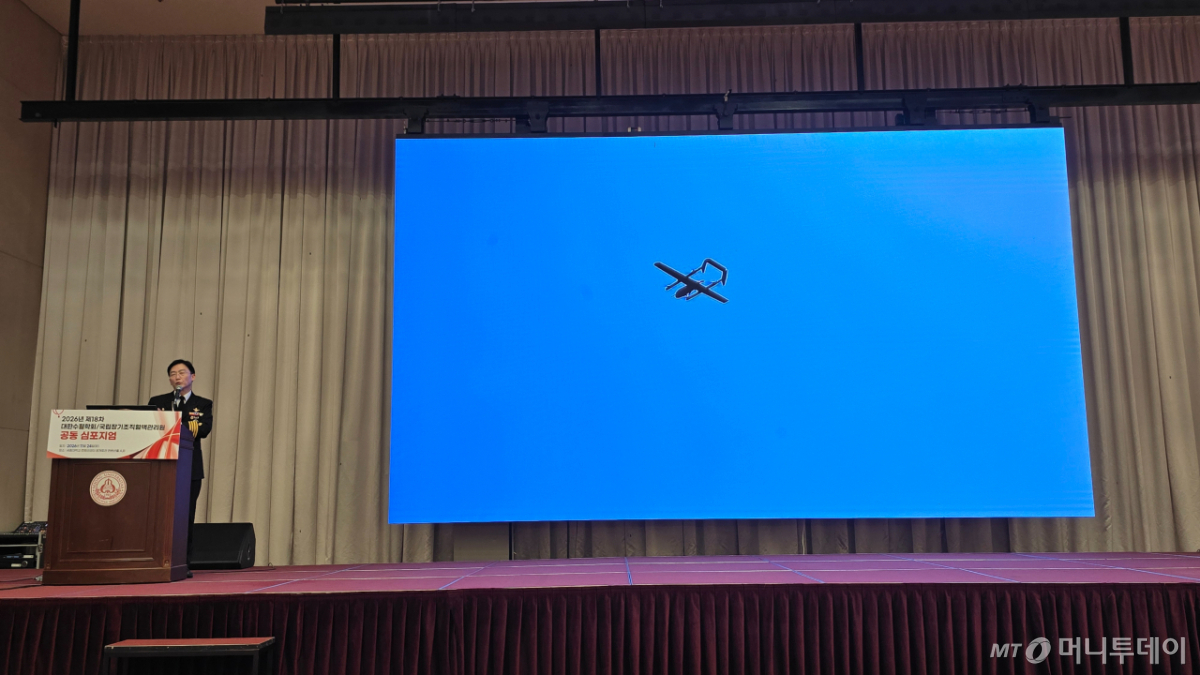
In particular, according to Director Lee, on battlefields where unmanned systems are recently expanding, the future medical support system centered on existing ground transport and patient evacuation will be limited.
Director Lee said, "Gunshot wound patients occurring in the military experience massive bleeding as a single AK (type of rifle) bullet tears through their internal organs." He added, "The usual (ground-centered) transfusion speed cannot keep up with the rate of deterioration in patient condition. In island, maritime, remote, and combat areas, rapid blood supply is difficult due to distance, weather, enemy threats, and limited transport means."
Abroad, drones are being utilized as a means to complement such limitations. Rwanda has established a drone-based national blood supply system since 2016, supplying blood and pharmaceuticals to over 450 medical institutions to improve healthcare accessibility. Related systems for delivering blood via drone in battlefield areas have also been introduced and are operating in the United States, Ukraine, Israel, and elsewhere.
However, it appears that a considerable amount of time will be required before such medical drones can be substantially domestically produced. Currently, most core components of domestic drones, excluding general-purpose parts, are made in China. The software capable of controlling the aircraft's flight is based on open source (publicly available source programs), and there is also a lack of technological capability to modify it according to field conditions.
Director Lee emphasized, "Ultimately, unmanned air ambulances (drones for patient transport) are needed." He added, "The most important thing for this is the technological capability to ensure aircraft stability. Since it is difficult to find (drone) aircraft that achieve sufficient flight performance with current domestic technology, securing fundamental technology is the biggest challenge."
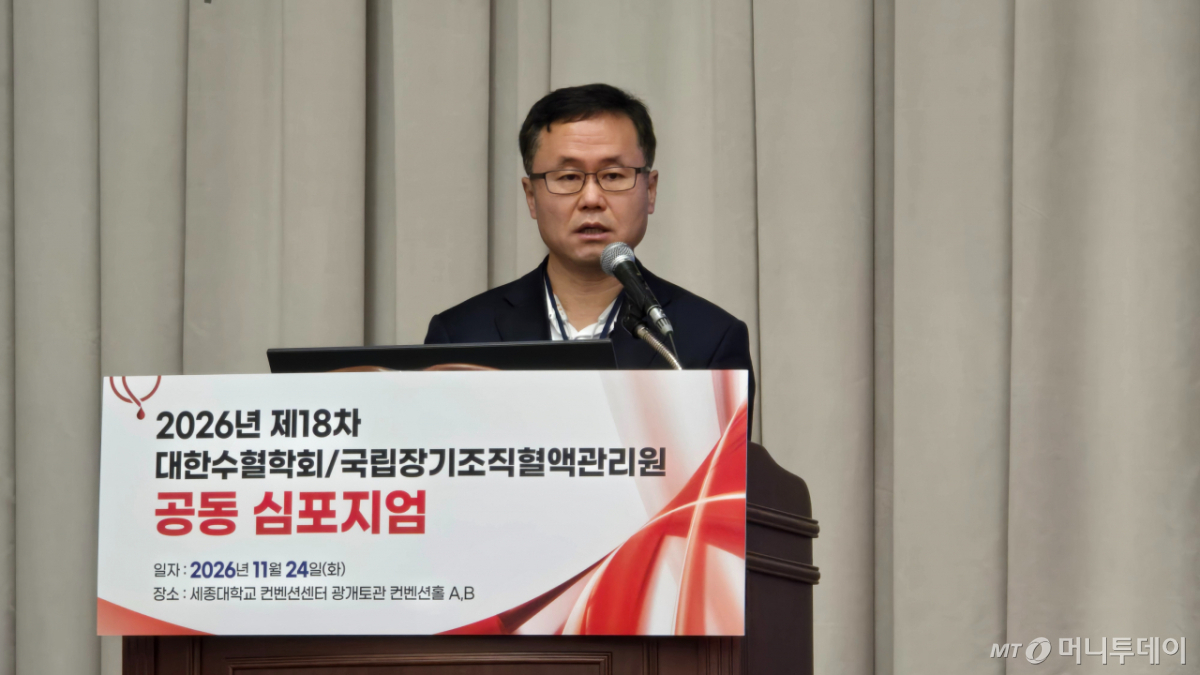
On the day, opinions were also presented that inventory turnover rates should be increased before expiration dates to secure blood stably. Professor Na Baek-ju of the Department of Preventive Medicine at Eulji University College of Medicine said, "The blood disposal rate at Ullung-gun Health and Medical Center reaches about 70%." He added, "In countries like Norway and Japan, there is a structure where unused (blood) inventory is sent to hospitals with high usage before expiration to be consumed, and new inventory is received." In fact, in Amami-Oshima, Japan, the disposal rate of Type O red blood cells at hub hospitals decreased from 31.3% to 3.7% after introducing such a blood circulation system.
Professor Na also conveyed that it is necessary to apply the "Walking Blood Bank" (WBB) method, which involves collecting blood on-site and transfusing whole blood (all components of blood) in emergency situations such as massive bleeding from individuals who have undergone prior verification and consent, to civilian communities. He said, "External transport is hardly needed, and blood can be utilized even if supply and evacuation are cut off due to bad weather." He added, "While supplementation of systems and testing procedures is necessary, I view it as an alternative worth sufficient consideration."

 in THEBIO


