

The government and ruling party are discussing institutional improvements to utilize 1% of the National Pension Fund for public housing projects. The government maintains that discussions can only proceed if the return on investment in public housing is guaranteed to exceed the average returns of other assets. However, given the nature of public housing projects, securing high returns is difficult, and significant hurdles are anticipated.
According to reports from various government ministries and agencies on the 5th, the Ministry of Land, Infrastructure and Transport and the Ministry of Planning and Budget recently discussed a plan to utilize 1% of the National Pension Fund as a source for public housing projects during inter-governmental meetings on housing budgets. The proposal includes guaranteeing stable returns above government bond yields through rental housing REITs (Real Estate Investment Trusts) and public housing bonds.
Kim Sung-ju, Chairman of the National Pension Service Lee (President), also stated in a press briefing last June that a new investment model capable of simultaneously achieving pension profitability and housing stability is under review, contingent on securing target returns. The position is that this should be viewed from the perspective of alternative investment rather than government welfare functions. As supporting evidence, it was noted that major overseas pension funds have secured stable cash flows and returns through housing investments.
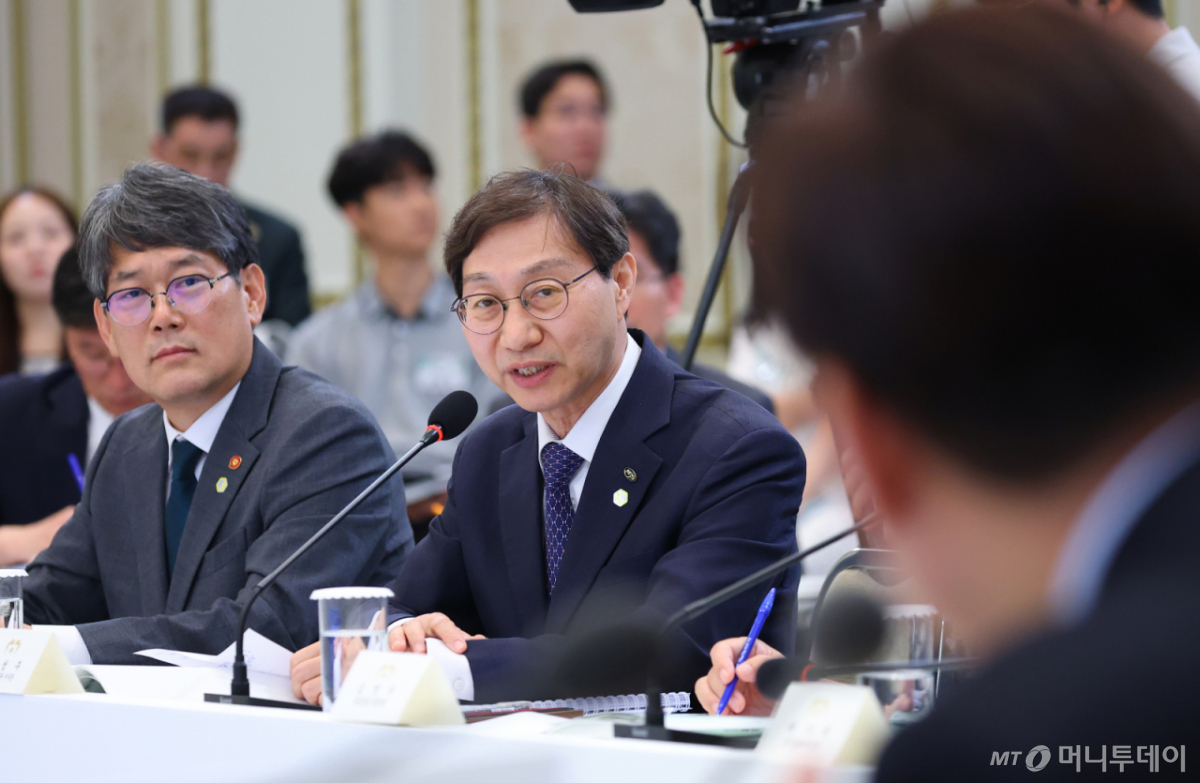
The Ministry of Health and Welfare, the lead ministry, presented a principled stance: "Decisions will be made based on the profitability and stability of the National Pension Fund." A ministry official stated, "If the return on public housing investment exceeds the average compared to other assets, it can be discussed at the National Pension Fund Investment Committee (Fund Committee)." An official from the Ministry of Land, Infrastructure and Transport added, "This is a matter requiring further discussion with the National Pension Service and is currently under review."
Article 102 of the National Pension Act stipulates that fund management must be decided by the Fund Committee to maximize pension returns. While Paragraph 2, Item 2 of Article 102 includes "investment in the public sector for public works," such investments primarily focus on social infrastructure (SOC) projects and still consider returns. The prevailing view is that mandating investment of a specific portion of the fund, such as 1%, into particular projects is an exceptional measure.
A Ministry of Health and Welfare official stated, "Formal discussions can only proceed once the investment method and expected returns are presented."
Meanwhile, former President Moon Jae-in Jeon (President) also included a similar proposal in his presidential campaign promises during his candidacy. The plan involved using the National Pension Fund to purchase government bonds and other securities for investment in social infrastructure such as public rental housing for young people and newlywed couples, or childcare facilities.
However, at that time, the proposal was ultimately not realized due to concerns that it would violate the first and second principles of National Pension Fund management: "profitability" and "stability." Criticism arose that retirees' funds were being diverted for uncertain government projects.

 in ECONOMY
