

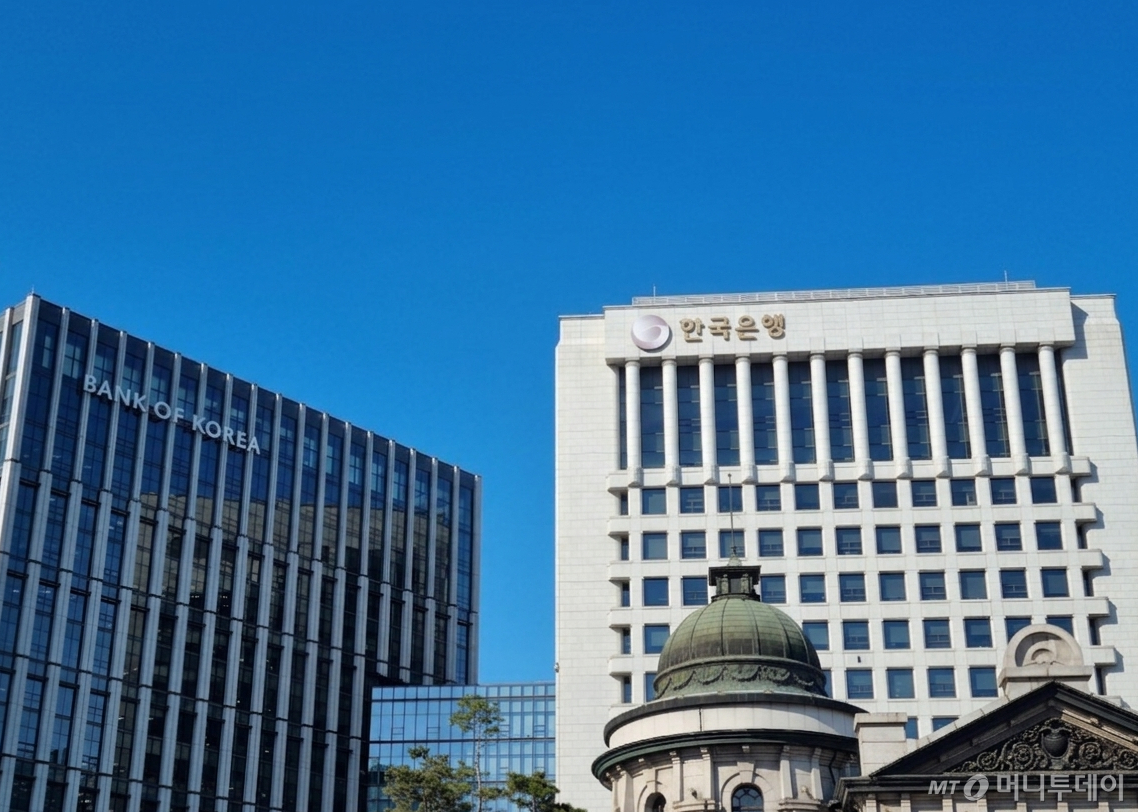
Household debt rose by nearly 26 trillion won in the second quarter of this year, surpassing the 2,000 trillion won mark for the first time. Driven by increased housing transactions centered in the capital region and a surge in credit loans fueled by a booming stock market, the increase in household lending reached its largest level in about five years.
According to the Bank of Korea's "Preliminary Household Credit Report for the Second Quarter of 2026," released on the 19th, total household credit stood at 2,019.8 trillion won as of the end of June, an increase of 25.9 trillion won from the end of March.
Household credit is a comprehensive indicator reflecting total household debt, calculated by summing household loans and sales credit such as credit card usage by financial institutions.
The quarterly increase in household credit was the largest in 4 years and 9 months since the third quarter of 2021 (34.8 trillion won). Compared to the previous quarter's increase of 14.8 trillion won, the scale of growth expanded by 11.1 trillion won. Year-on-year, it rose by 69.8 trillion won (3.6%).
Outstanding household loans reached 1,891.3 trillion won, increasing by 24.9 trillion won during the second quarter. This also marks the largest increase since the third quarter of 2021 (34.6 trillion won), nearly doubling the previous quarter's increase of 13.4 trillion won.
Both housing-related loans and other loans increased simultaneously. Housing-related loans, which include mortgage loans, jeonse fund loans, and group loans, rose by 12.2 trillion won to reach 1,190.8 trillion won. The increase was larger than the previous quarter's 8.1 trillion won.
A Bank of Korea official stated, "The increase in housing-related loans expanded as housing transaction volumes surged significantly in the second quarter," adding, "There was also an impact from group loans for pre-sold housing being executed."
Other loans, including credit loans, surged by 12.8 trillion won to reach 700.5 trillion won. The increase exceeded double the previous quarter's 5.4 trillion won, marking the largest rise since the third quarter of 2021 (13.7 trillion won). The upward trend was particularly steep, centered on credit loans from deposit-taking banks.
By financial institution type, household loans at deposit-taking banks shifted from a decrease of 20 billion won in the previous quarter to an increase of 13.3 trillion won in the second quarter. Housing-related loan increases expanded from 30 billion won to 6.8 trillion won, while other loans turned from a decrease of 60 billion won to an increase of 6.5 trillion won.
A Bank of Korea official explained, "Credit loans at deposit-taking banks and credit extensions by securities firms increased significantly," noting, "We believe funds related to stock investment demand rose as the stock market performed well in the second quarter." This marks an unusual surge in credit loan growth.
Household loans from non-bank deposit-taking institutions increased by 3.1 trillion won, a smaller rise than the previous quarter's 8.2 trillion won. This was due to a reduction in housing-related loan increases from 10.6 trillion won to 3.6 trillion won. Loans from mutual financial cooperatives rose by 2.6 trillion won, credit unions by 60 billion won, and Saemaeul Credit Cooperatives remained flat.
Regarding the slowdown in loan growth outside banks compared to banks, a Bank of Korea official said, "It appears that non-bank deposit-taking institutions were influenced by relatively strengthened household loan management by regulatory authorities and the government."
Household loans from other financial institutions, including insurance companies, securities firms, and public financial institutions, increased by 8.6 trillion won, up from the previous quarter's 5.5 trillion won. Loans from other financial intermediary companies, including securities firms, asset securitization companies, and lending businesses, rose by 6.7 trillion won.
Outstanding sales credit, including card payments, reached 128.5 trillion won, an increase of 90 billion won from the previous quarter. The growth rate was smaller than the previous quarter's 1.4 trillion won. Individual credit card usage increased from 204.7 trillion won in the first quarter to 208.3 trillion won in the second quarter.

 in ECONOMY
