

[For more diverse corporate information on the startups mentioned in this article, please visit Unicorn Factory's big data platform 'Data Lab'.]
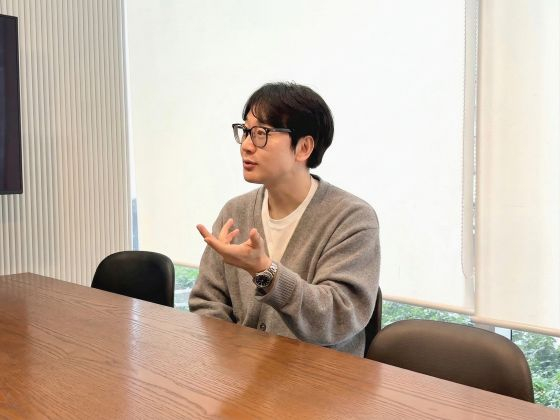
"The entire process of buying and using a car is too long and fragmented into overly complex steps. We believe this structure has now reached its limit."
Lee Min-cheol Ra I-deu (CEO) recently met with Money Today's startup media platform 'Unicorn Factory' and stated, "It is time to break free from the inefficient structure where consumers must visit showrooms to view cars, negotiate prices with sales agents, sign contracts, and then personally handle maintenance and management."
Lee Min-cheol (CEO) joined Tesla Korea as an early member and directly experienced car sales and operations based on the ON LINE model. Later, he restructured this model for the Korean market and founded the mobility platform 'Ride' in December 2020. Lee (CEO) viewed problems in the automotive market from two perspectives: consumers and suppliers. From the consumer's standpoint, vehicle information is not sufficiently shared, and the purchasing process is cumbersome. On the other hand, suppliers, especially dealerships, face rising fixed costs such as rent, labor expenses, and inventory burdens, yet it is becoming increasingly difficult to cover these costs through vehicle sales and after-sales services alone.
He said, "In the past, service centers played a role in compensating for profits, but with improved vehicle durability and an increasing share of electric vehicles, even this has become challenging." He added, "Now there is a need for a new approach that optimizes the cost structure of manufacturers and dealerships while providing consumers with a more convenient purchasing experience. Ride is building such a structure."
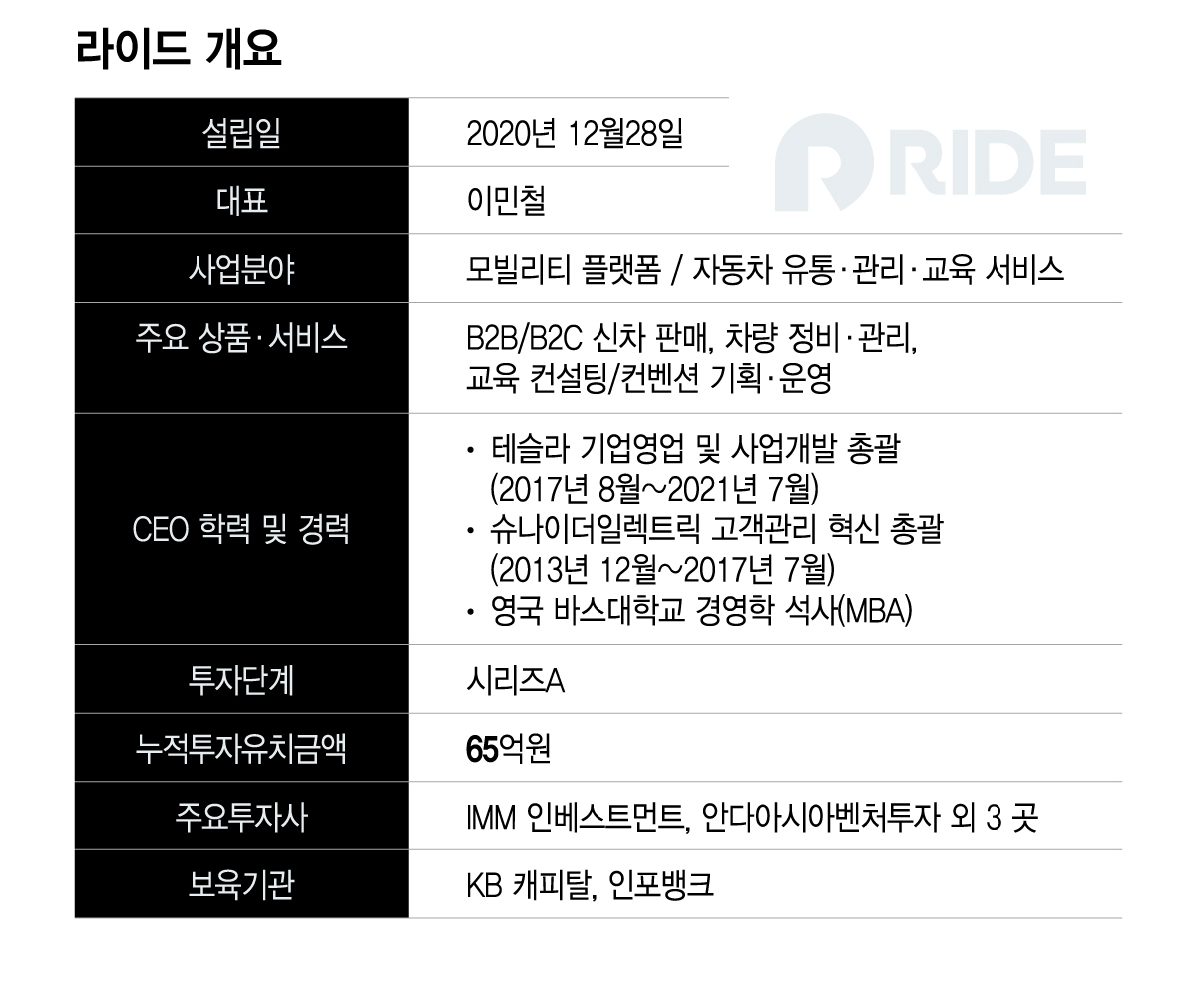
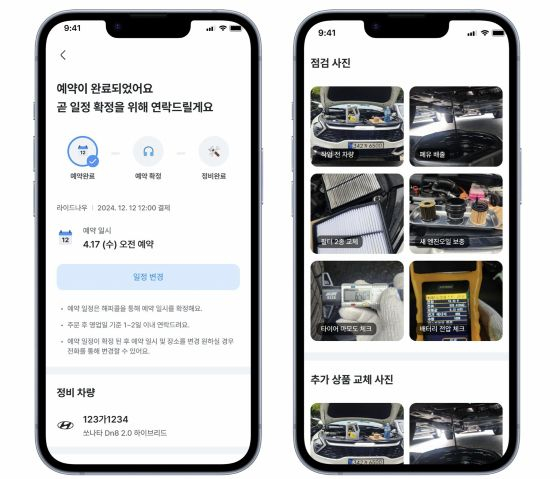
Ride's business is divided into three main pillars: 'Ride Now', which handles electric vehicle test drives and car sales; 'Ride Content', responsible for automotive-related education, content, and brand operations; and 'Ride Care', which provides maintenance, accident handling, and vehicle management services.
Lee (CEO) stated, "After purchasing a car, consumers must replace consumables like engine oil, and if an accident occurs, they need to resolve insurance and repair issues. Ride Care steps in at these moments." He added, "The number of vehicles currently under management exceeds 70,000."
Notably, when companies operate multiple vehicles through long-term leases, the accident handling process differs from that for individual vehicles. For example, if a company operates 10 vehicles and one is involved in an accident, filing an insurance claim can cause the insurance premiums for all vehicles to rise together. Therefore, companies often prefer not to use insurance immediately but instead seek services that handle accident reporting and repairs separately. Ride has addressed this demand by offering end-to-end solutions ranging from accident reporting to repair coordination and on-site maintenance services.
'Ride Content' has executed projects with brands such as BMW and Jaguar Land Rover. In simple terms, when a new car is launched, the platform educates frontline staff on how to explain and sell the vehicle, as well as how to maintain it. Lee (CEO) explained, "With the exception of Hyundai and Kia, most brands do not have large in-house training organizations." He continued, "When a new model is released, it is essential to systematically organize information on vehicle performance, features, advantages over competing models, and precautions during maintenance, then convey this to sales agents and service center staff. Ride fulfills this role."
Lee (CEO) said, "Ride is building a structure that connects vehicle test drives, new car sales, brand education, maintenance services, and even financial and insurance solutions." He added, "Our goal is to become the platform that controls the first gateway of the automotive lifecycle."
Financial performance also shows a growth trend. Lee (CEO) stated, "Last year, we achieved profitability with revenue of 82.9 billion won, and this year we expect revenue to reach around 200 billion won." He added, "With stable growth in existing businesses and expansion into new ventures, this will be the first year where performance truly takes off."
He recently revealed that he also views the used car market as a significant opportunity. Lee (CEO) said, "Whenever a new car is sold, there is inevitably demand to dispose of an existing vehicle." He noted, "This process is currently largely driven by sales agents and dealerships." He further added, "As Ride expands its touchpoints for new car sales, it will naturally capture the starting point for used car transactions as well. We plan to expand into this area significantly after going public."
Ride is also pursuing expansion into overseas markets. Recently, Ride signed a memorandum of understanding (MOU) with Inventis, a dealer operations software company that maintains a network of 25 countries and 2,000 dealerships globally.
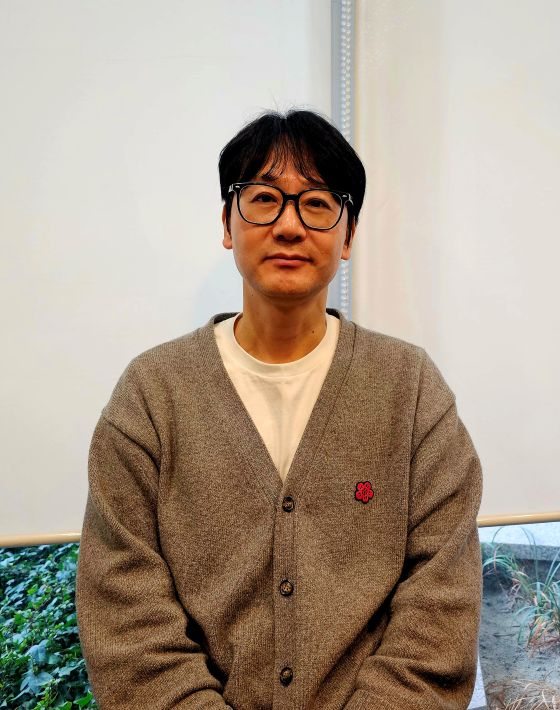
Ride is also moving forward with the acquisition of an automotive parts company. This is because parts procurement represents the largest cost in maintenance operations. Lee (CEO) explained, "Recently, the market environment has changed as the use of 'certified parts' during insurance repairs has expanded." He added, "Even for the same repair work, profitability varies significantly depending on how cheaply and stably parts can be secured."
Previously, Ride primarily used parts from original equipment manufacturers (OEMs). However, with the ability to now utilize quality-certified alternative parts, a path has opened to reduce costs. Ride's strategy is to directly secure parts supply to lower maintenance expenses and thereby improve the overall profitability of its business. Internally, the company estimates that increasing the proportion of self-sourced parts could improve operating profit margins by 15% to 20%.
[Money Today startup media platform 'Unicorn Factory']

 in FUTURE


