

[For more diverse corporate information on the startup featured in this article, please visit Data Lab on the Unicorn Factory big data platform .]
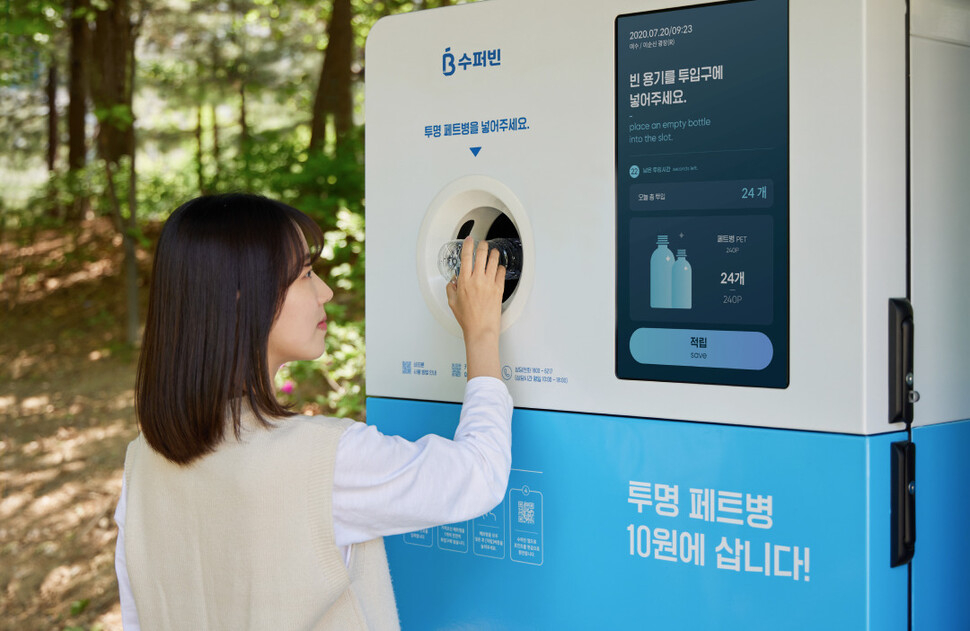
Superbin, an AI-based resource circulation company, will file for a preliminary review for its KOSDAQ listing next month. If the listing is successful, it is expected to be effectively the first case of a social venture in the domestic resource circulation sector entering the KOSDAQ market.
Attention is also focused on the fact that this could set a precedent for an impact startup, which takes solving social problems as its core purpose, raising large-scale growth capital from the capital markets.
According to venture investment industry sources on the 21st, Superbin plans to file for a preliminary review with the Korea Exchange for its KOSDAQ listing next month. The lead underwriter is Korea Investment & Securities. It is known that Superbin is currently conducting final checks on the documents and performance data required for the exchange's preliminary review.
Superbin intends to utilize the special listing provision for companies that have not yet realized profits, which are evaluated primarily based on growth potential rather than general profit requirements, commonly referred to as the 'Tesla criteria.'
This system allows even loss-making companies to enter the KOSDAQ market if they meet certain levels of market capitalization, revenue, and growth potential.
The market views Superbin's preliminary review filing as an important test for the domestic social impact ecosystem. Domestic impact startups have long been criticized for a lack of exit cases where institutional investors can recover their investments, despite achieving social and environmental results.
If Superbin succeeds in its listing, it will set a precedent for a startup that grew based on a resource circulation model for solving social problems to receive corporate valuation recognition from the capital markets. In particular, there is an expectation that this will serve as an opportunity to create a virtuous cycle structure where funds recovered by impact investors are reinvested in early-stage impact companies.
A VC (venture capital) industry official stated, "Superbin is a company that has turned resource circulation itself into a revenue model," adding, "If the listing is successful, it will be a symbolic case showing that impact companies can also enter the capital markets by proving their technological capabilities and revenue growth potential."
From Unmanned Recovery Robots to Recycled Materials… Building a Resource Circulation Value Chain
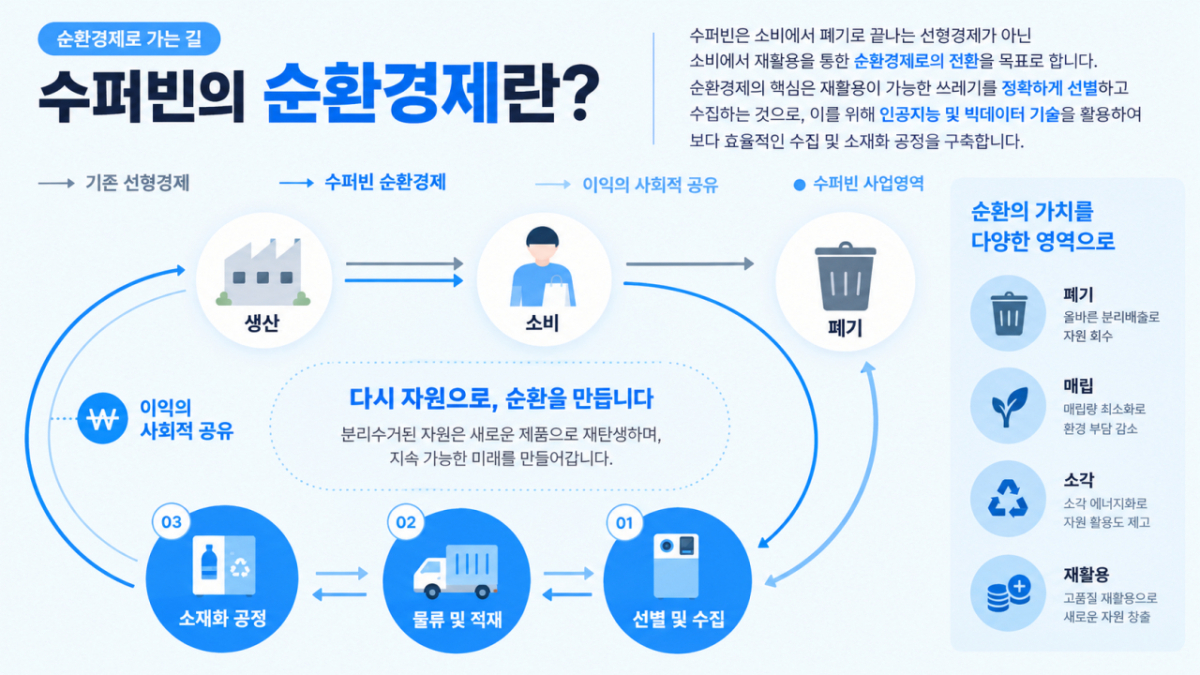
Founded in 2015, Superbin is a resource circulation company that utilizes AI and robotics technology to recover waste PET bottles and aluminum cans. Its representative product is the AI unmanned recovery machine 'Nefron.'
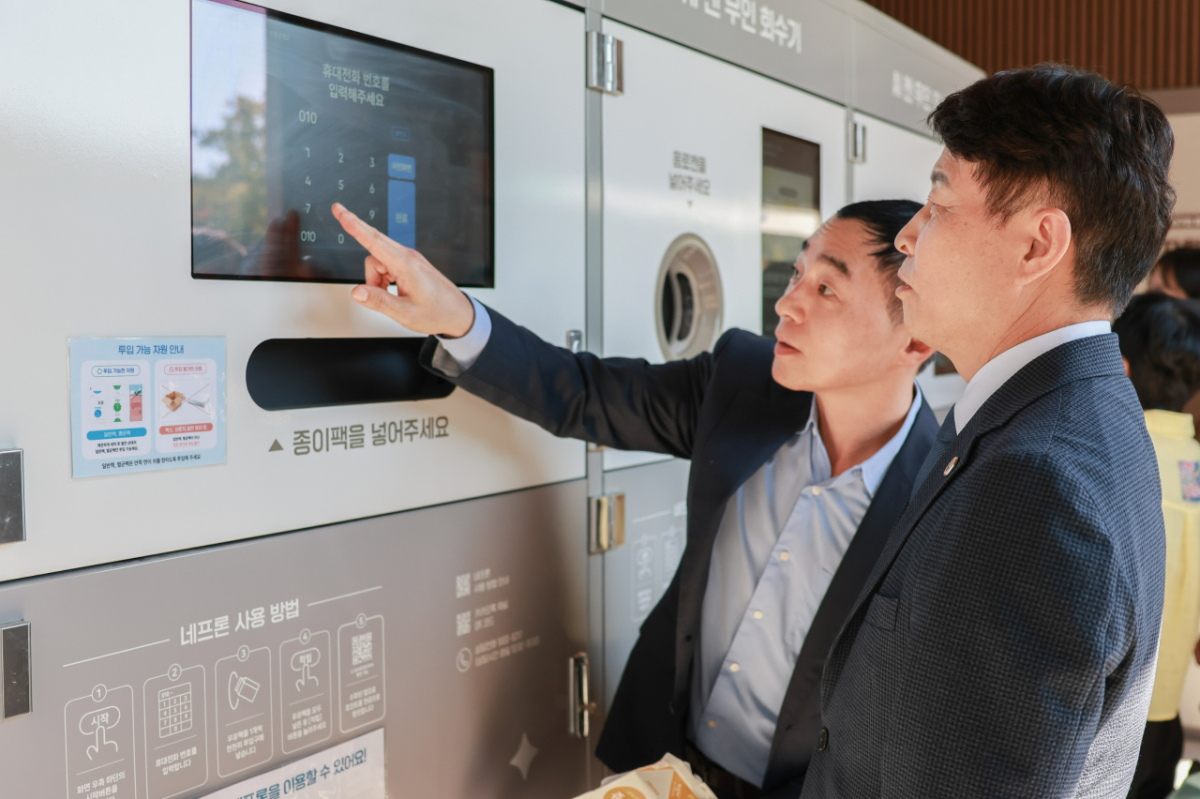
When users insert clear PET bottles or cans into Nefron, it determines their recyclability and awards points based on the value of the resources. Users can exchange their accumulated points for cash. The number of Nefrons installed nationwide has exceeded 1,900 units, and cumulative membership has surpassed 1.1 million people.
Superbin's competitiveness does not end with the sale of Nefron. It transports secured waste PET bottles through its own logistics network and processes them into flakes and pellets at recycled material plants built in Hwaseong and Sunchang. This means it has established a complete resource circulation value chain extending from waste resource recovery to transportation, processing, and the sale of recycled raw materials.
The differentiator is using clear PET bottles selectively recovered by Nefron instead of mixed plastics supplied from general sorting facilities. It appears Superbin will emphasize during the listing process that it is a 'climate tech' company equipped with AI-based raw material securing capabilities and high-value-added recycled material manufacturing skills, rather than a simple waste disposal company.
Proving a Stable Profit Structure Remains a Challenge
To prepare for its listing, Superbin also raised 14.5 billion won in pre-IPO (pre-listing equity investment) last year. Dongkuk Investment, Korea Asset Investment Securities, Rising S Ventures, T Investment, and MY Social Company (MYSC), among others, participated in the investment.
Including the pre-IPO, Superbin's cumulative investment raised is approximately 61 billion won. The raised funds were invested in expanding Nefron distribution, increasing production capacity for recycled PET processes, and factory operating capital. At the time of the pre-IPO, the market valued Superbin's corporate valuation at around 200 billion won.
There are also challenges to overcome before listing. Superbin has continued to incur losses as it invested large amounts of capital in building production factories and expanding its Nefron operating network. Revenue increased from 10.3 billion won in 2023 to 18.6 billion won in 2024, but growth slowed to approximately 19 billion won last year.
Although liquidity was reinforced through the pre-IPO, proving a stable profit structure is cited as a core challenge for the listing review. Superbin plans to improve profitability by expanding sales of recycled materials and enhancing production equipment utilization rates.
The venture investment industry views Superbin's listing results as likely to influence the investment and recovery strategies of other resource circulation startups such as Rico, as well as VCs in the impact sector. This is because Superbin can serve as a key benchmark for gauging the corporate valuation and IPO potential of resource circulation startups.
A VC industry official said, "Superbin's IPO will be a test case showing whether a recovery path exists from investment to listing in the resource circulation and climate tech sectors, going beyond the level of individual company fundraising."
[MoneyToday startup media platform 'Unicorn Factory']

 in FUTURE


