

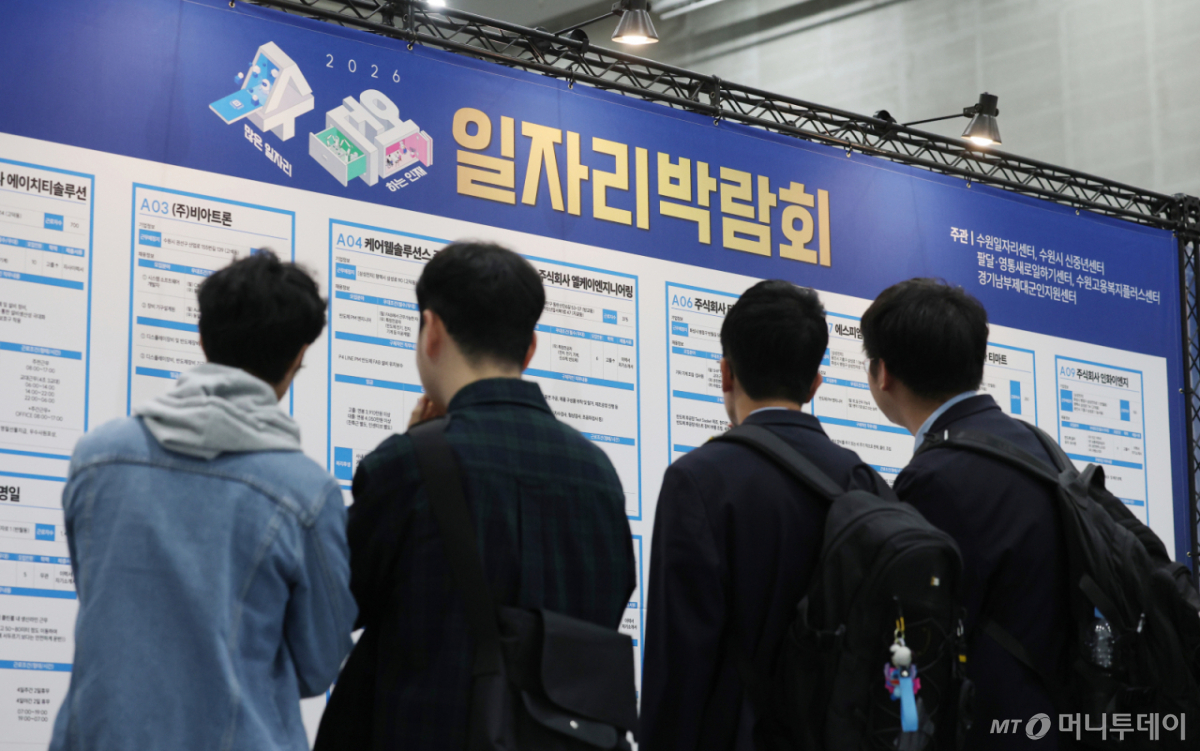
To get a job, you need experience; but to gain experience, you first have to enter a company. This is the contradiction faced by young job seekers. "Job experience inflation," in which companies demand entry-level employees possess skills comparable to those of experienced workers, is emerging. On top of this, as AI takes over parts of entry-level work, the barrier to employment has become even higher.
This is not a problem unique to Korea. In its "World Youth Employment Trends" report released last August, the ILO (International Labour Organization) identified structural changes in jobs due to AI and experience inflation as major obstacles to youth employment. While "education inflation," which demanded high academic credentials, was previously the issue, work experience and skill level are now new entry barriers. Companies want talent that can be utilized immediately, but young people are not given the opportunity to develop such capabilities.
In the meantime, companies are aging. It is no longer unusual for a department where a 40-year-old assistant manager is the youngest member. In 2025, the proportion of employees in their 20s at Samsung Electronics was 20.6%, a decrease of 6.5 percentage points (p) compared to two years ago. Major companies such as SK Hynix, Hyundai Motor, and LG Electronics also have the proportion of employees in their 20s remaining in the 19-22% range. The share of those in their 20s is declining even among new hires.
There are reasons for companies' preference for "used-new" (experienced entry-level) candidates. In an uncertain business environment, hiring and training new employees takes time and money. The burden of rigid workforce management structures and long-term employment is also difficult to ignore. From a company's perspective, choosing experienced workers who can produce results immediately over newcomers may be rational.
However, if all companies seek only experienced workers, the question remains: "Who will cultivate new talent?" A rational choice for individual companies can lead to undermining the foundation of talent development across the entire industry. It is a matter of saving on immediate labor costs while eroding future competitiveness.
The government cannot be free from responsibility either. When discussing retirement age, wage systems, and working hour regulations, it must consider not only the rights and interests of existing workers but also the impact on new hiring. The business community complains that policies making employment more difficult are increasing. It is necessary to move beyond debates that pit employment stability against flexibility and establish practical incentives to increase youth hiring, such as high-quality on-the-job training and hiring subsidies.
The youth employment crisis should not be explained simply as a shortage of jobs. "Experience inflation" is raising the entry barriers in the labor market even higher. While ensuring employment stability for existing workers is important, institutional conditions that allow for the cultivation of new talent must also be established. The contradiction of worrying about a lack of future talent while failing to create a labor market where young people can gain experience must end first.


 in INDUSTRY

