

As Chinese brands and China-produced new models have successively entered the domestic midsize SUV (sport utility vehicle) market, competition with domestically produced vehicles has intensified. The offensive by Chinese-made cars, which began with the Tesla Model Y, is now targeting plug-in hybrids (PHEVs), a segment where domestic car lineups are absent, following electric vehicles.
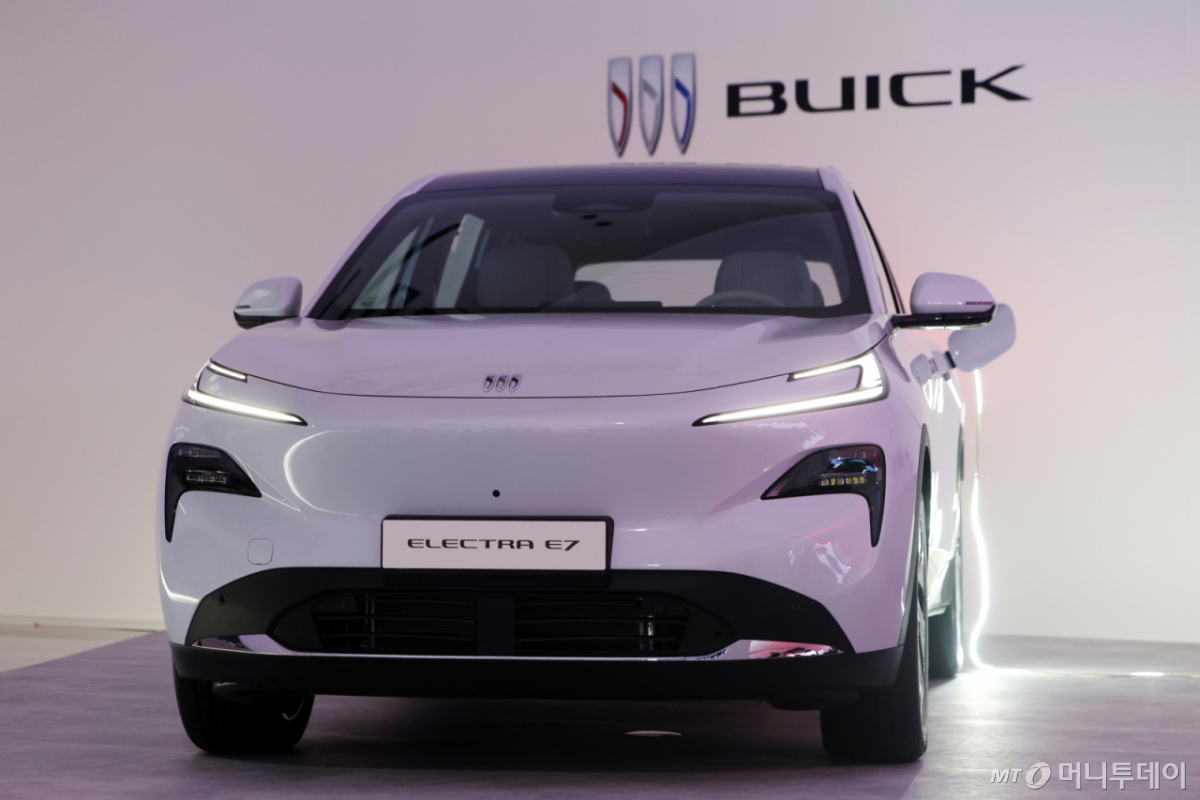
According to industry sources on Tuesday, there are three Chinese-made midsize SUVs released or scheduled for release in Korea this year: the BYD Seal 6 DM-i, the Buick Electra E7, and the Zeekr 7X.
Customer deliveries of the plug-in hybrid Seal 6 DM-i began last August, while sales of the E7, also a plug-in hybrid, are set to start next month. The electric vehicle 7X is also expected to begin customer deliveries within the year. This marks a significant expansion in the options for Chinese-made midsize SUVs over the past year, which had previously been dominated by the Tesla Model Y and the BYD Seal 7.
The new Chinese-made models overlap in price range with the Kia Sorento and Hyundai Santa Fe, which have long divided the domestic midsize SUV market. The Seal 6 DM-i is priced at 37.5 million won, making it approximately 2 million won cheaper than the base trim of the Sorento Hybrid.
The E7, priced between 43 million and 54 million won, competes with the mid-to-high trims of the Sorento and Santa Fe Hybrids. The Zeekr 7X, the first model from Geely Group's premium brand Zeekr to be offered in Korea, starts at 52.99 million won, similar to the top trim of the Santa Fe Hybrid (52 million won).
The influx of Chinese-made new models into the midsize SUV segment reflects strong domestic demand. From January to September this year, the Sorento (74,933 units) was the best-selling domestic car, and the Model Y (73,123 units) was the top import, both being midsize SUVs. Both models sold more than 10,000 units more than the Hyundai Grandeur (61,751 units), which ranked third overall among domestic and imported vehicles combined.
Domestic midsize SUVs are maintaining their lead in the hybrid segment, but they are ceding ground to Chinese-made models in the relatively weaker electric vehicle and plug-in hybrid categories. In fact, Sorento Hybrid sales reached 62,308 units from January to September this year, a 17.3% increase from the same period last year, accounting for 83.2% of total sales. Meanwhile, there are currently no Hyundai or Kia models in the midsize SUV plug-in hybrid lineup.
In the electric vehicle segment, Chinese-made cars have already seized the lead. Registrations of the Model Y, produced at a factory in Shanghai, China, from January to September exceeded four times those of the Hyundai Ioniq 5 (16,361 units), a domestic midsize electric SUV. The Model Y has outsold the Sorento for five consecutive months since May last year. Last month alone, 11,421 units were registered, a 36.6% increase from the same period last year.
Price competition has also emerged as a variable, given the high likelihood that tax incentives for eco-friendly vehicles will be reduced next year. Under the government's proposed tax reform plan, the individual consumption tax reduction for hybrid vehicles (up to 700,000 won) will end at the close of this year, and the cap on electric vehicle tax reductions will decrease from 3 million won to 2 million won.
An industry official stated, "While hybrids are a strength for domestic cars, the plug-in hybrid market is still small in scale and lacks domestic competing models, leaving room for imported vehicles to penetrate." The official added, "It will be interesting to see how much Chinese-made products, which emphasize price competitiveness, can attract demand from consumers who were hesitant about buying electric vehicles but considered hybrids."

 in INDUSTRY
