

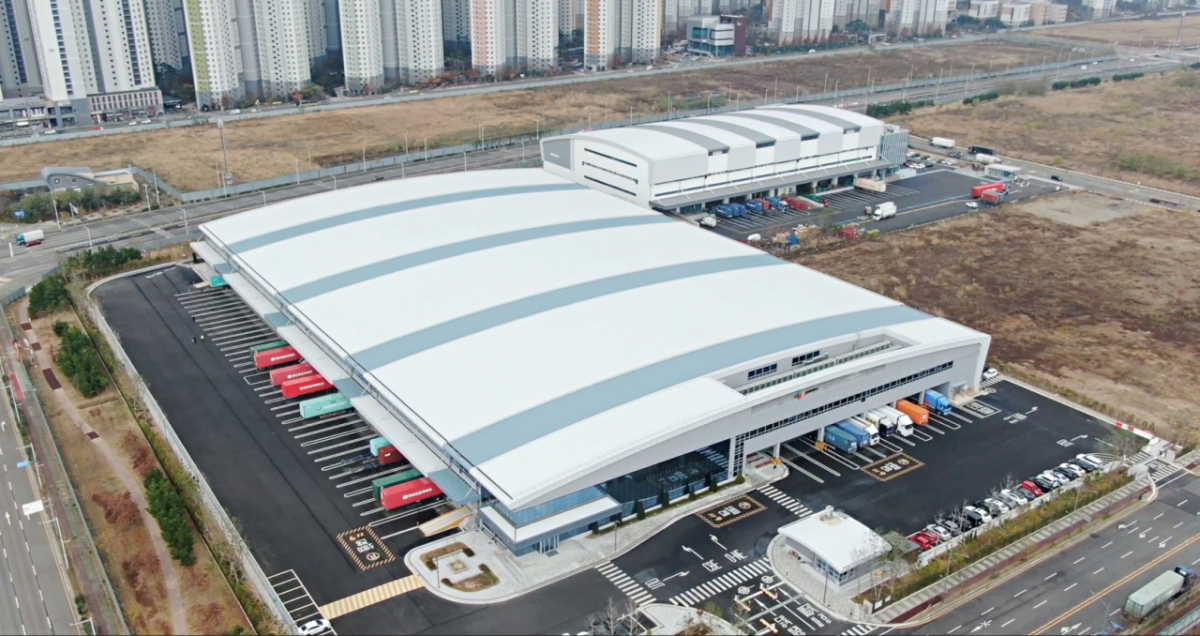
On Nov. 25, at the CJ Logistics Aiam Maritime Express Center in Incheon Aiam Logistics Complex 2. As the door of a container that had crossed the sea from China opened, boxes flowed out one after another onto the conveyor belt.
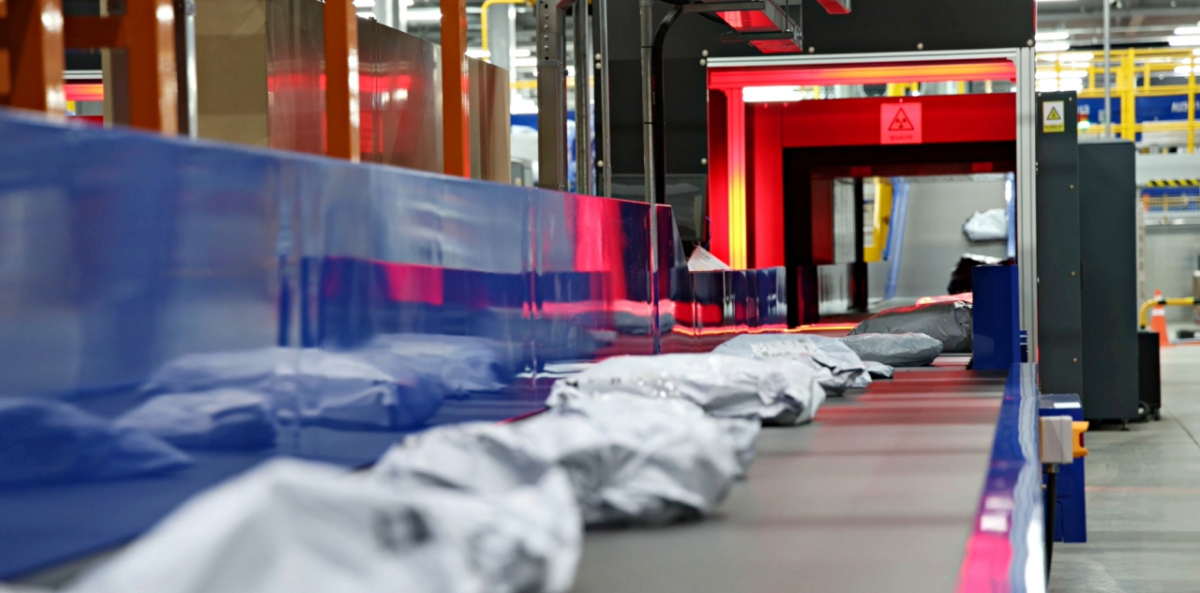
After passing through X-ray equipment, the contents of the boxes appeared directly on the monitors in the customs screening room. Once screening was complete, the boxes slid down to the first floor via blue chutes.
The time taken from intake to customs clearance was 3 minutes. The destination for the boxes was a parcel sorting facility. Typically, at customs clearance centers, cleared cargo is loaded onto trucks and sent to other parcel hub terminals for re-sorting.
This facility is structured so that cargo that has cleared customs can be immediately dispatched by delivery area within the same building.
CJ Logistics has moved to capture direct purchase volumes arriving via sea routes from China.
As direct purchase volumes have shifted toward maritime express shipping, which offers lower freight rates than air transport, the company built a large-scale proprietary customs clearance center at Incheon Port and established a system to handle everything from customs clearance to parcel delivery in one location.
Overseas direct purchase volumes have increased significantly, centered on shipments from China. According to the Korea Customs Service, the number of express cargo items cleared last year was 223.53 million, a 2.7-fold increase compared to five years ago.
Among e-commerce cargo, shipments from China account for 77%. Jang Young-ho, Head of Global Division 1 at CJ Logistics, explained, "Of the 220th million direct purchase items, half arrive by plane and half by ship." The freight rate per kilogram for China-Korea ferry maritime express is about 30% of that for air transport.
CJ Logistics has set an initial goal of handling approximately 30% of domestic direct purchase express cargo volumes by combining its Incheon Airport and Incheon Port express centers.
Currently, it handles about 20% of air direct purchase volumes at the Incheon Airport Express Center, and aims to increase its market share by also capturing sea route volumes.
The Aiam Center, which opened in September last year, is the largest private express customs clearance center in Korea, with a maximum daily processing capacity of 180,000 items. It has 16 X-ray screening lines.
Because customs clearance and parcel sorting are conducted in the same building, delivery times have also been reduced. Cargo from other clearance centers takes about an extra day because it must pass through hub terminals in Gyeonggi Goni-am or Daejeon.
When routed through the Aiam Center, it takes approximately 52 hours for cargo shipped from China to reach consumers. CJ Logistics sends only metropolitan area cargo directly to sub-terminals without passing through large hub terminals. If volumes increase further, the company plans to fully implement regional fine sorting.
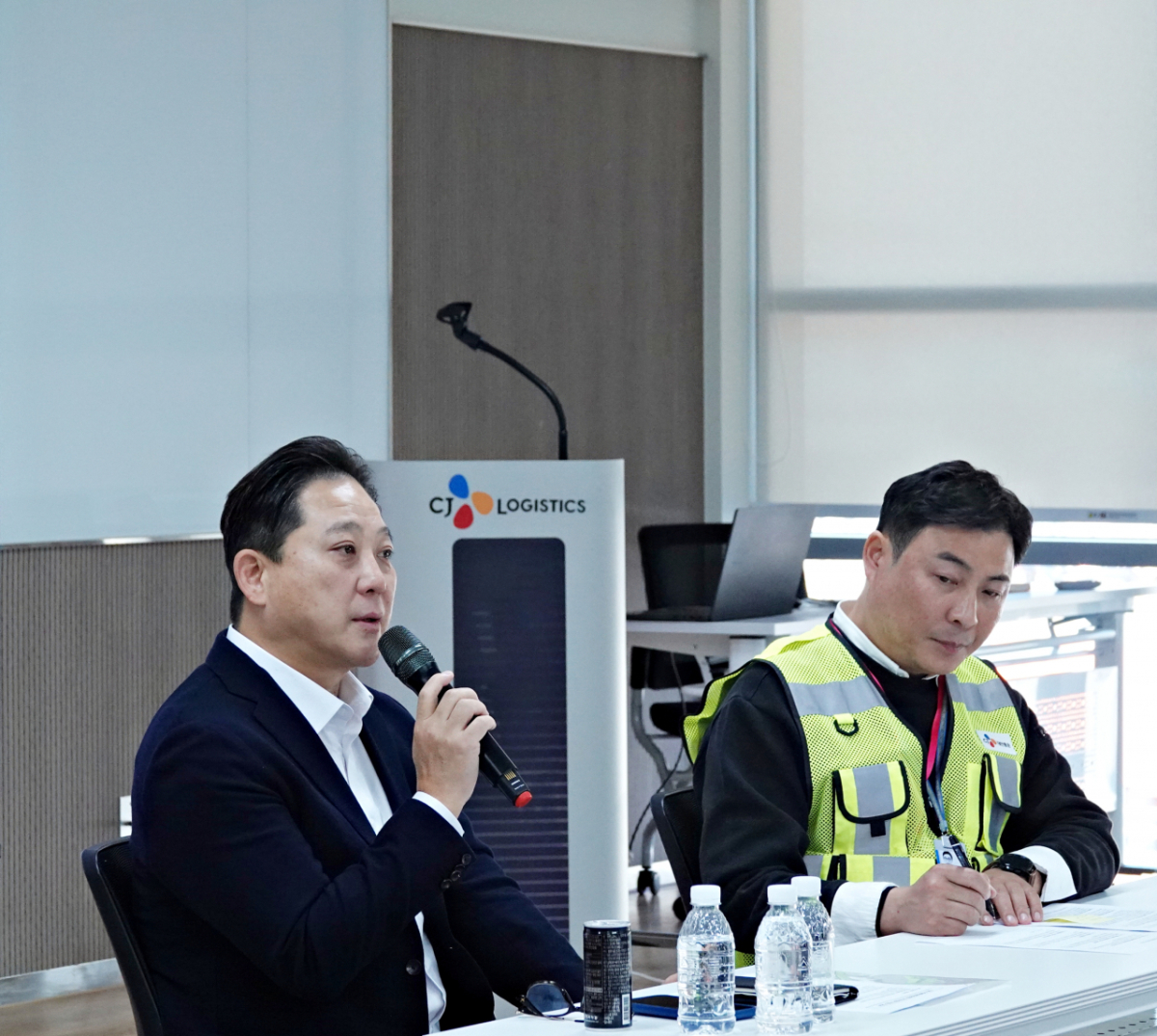
The variable affecting processing speed is customs screening. All e-commerce cargo entering the country must undergo screening by a customs screener to be cleared.
Jang emphasized, "To clear 220 million items, screeners must perform screening 220 million times," adding, "We continue to invest in systems that provide X-ray images and cargo information so that screeners can screen quickly and accurately."
CJ Logistics expects direct purchase volumes to increase by about 6% annually. Accordingly, it is also developing the Aiam Center as a hub for reverse direct purchases (exporting domestic goods overseas).
Of the total 8,800 pyeong area, 2,400 pyeong not used for customs clearance and parcel delivery will be utilized as workspaces for reverse direct purchase cargo and fulfillment space.
The company has completed relevant permits and is in negotiations with client companies. Full-scale operations are expected to begin in March next year.
Jang stated, "Direct purchase customers are ultimately the same as potential reverse direct purchase customers." In the future, CJ Logistics will also consider securing volumes from Japan, following China.

 in INDUSTRY


