

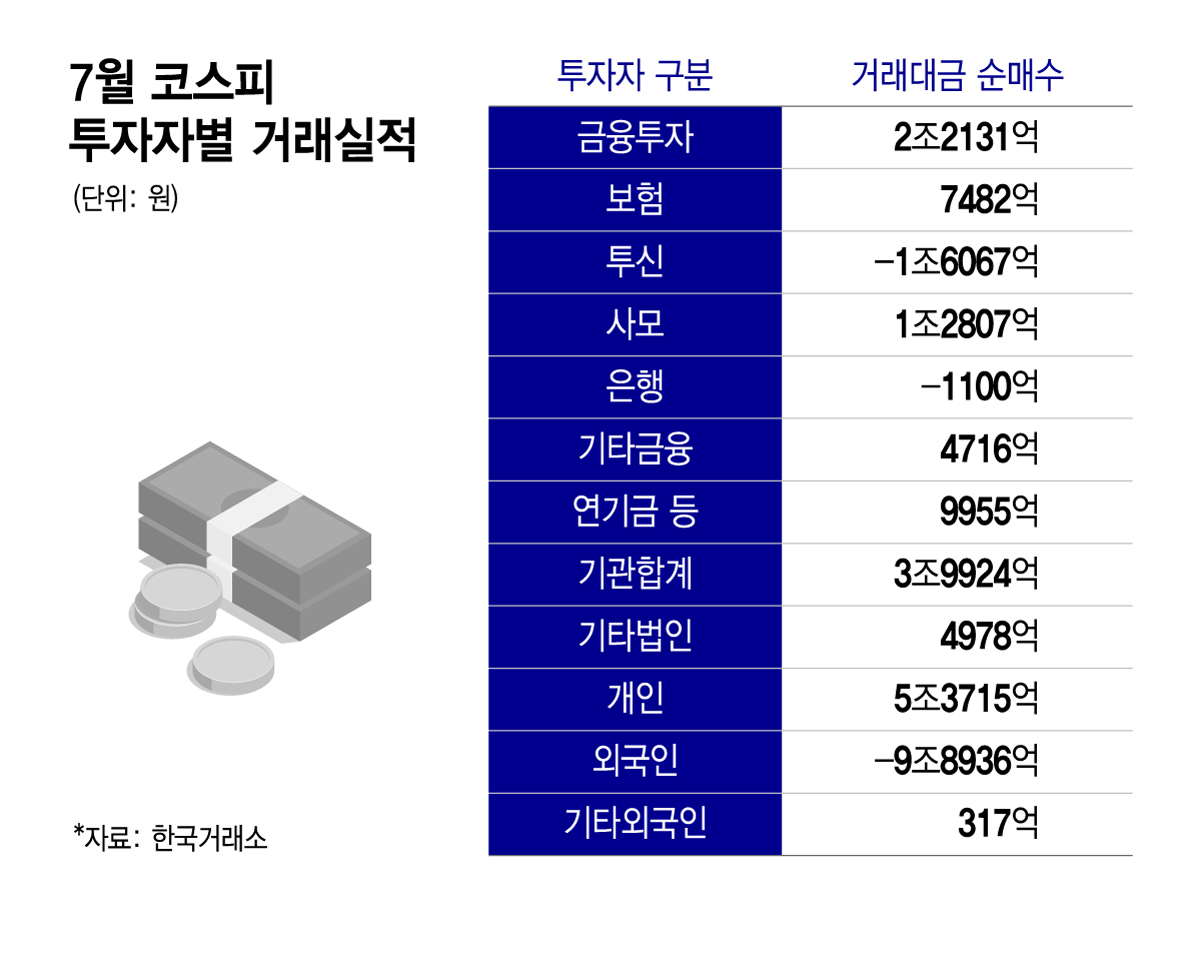
As the KOSPI tumbled more than 20% amid unprecedented volatility throughout July, pension funds were found to have made net purchases of approximately 1 trillion won. As Korea's largest institutional investors, the National Pension Service's trading trends are regarded as a key indicator of overall pension fund activity. While there was no massive sell-off triggered by the NPS rebalancing (asset reallocation), there was also no large-scale buying offensive sufficient to halt the sharp decline in stock prices.
July marked the resumption of the National Pension Service's rebalancing, but as falling stock prices reduced the valuation of its holdings, the scale of required selling decreased, effectively producing an 'automatic rebalancing' effect. If the sharp drop in stock prices is applied to the NPS's May domestic equity holdings, the fund lost more than 120 trillion won in unrealized gains on domestic stocks. However, some observers note that because the NPS still holds a high proportion of domestic stocks, it has limited capacity to make additional purchases during a market downturn.
National Pension Service sees 'automatic rebalancing' amid sharp stock price drop... 120 trillion won in unrealized gains evaporate in two months
According to data from the Korea Exchange on the 3rd, pension funds and others recorded net purchases of 995.5 billion won in the KOSPI market over the past month. During the same period, foreign investors sold off a net 9.8936 trillion won, while retail investors sold off a net 5.3715 trillion won, and all institutional investors made net purchases of 3.9924 trillion won. Pension funds and others include trading volumes from various pension funds and mutual aid associations, including the National Pension Service, making this category a focal point of market attention following the NPS's resumption of rebalancing in July.
Last month, the domestic stock market exhibited unprecedented volatility, with both the KOSPI and KOSDAQ markets triggering circuit breaker (trading halt) measures for two consecutive days for the first time in history. The KOSPI index fell 2,882.92 points (34.0%) from a closing price of 8,476.48 on June 30 to 5,593.56 on July 30, before surging 1,001.89 points (17.9%) in a single day on the 31st to close at 6,595.45. On a monthly basis, this represents a decline of 1,881.03 points (22.2%).
The NPS's valuation of domestic stocks as of the end of May was 543.635 trillion won. Applying the KOSPI's decline ratio from a closing price of 8,476.15 on May 29 to 6,595.45 on July 31 (22.2%) arithmetically, the valuation of domestic stocks is estimated to have decreased by approximately 120.6 trillion won to around 423 trillion won.
Domestic stocks accounted for 29.4% of total fund assets (1,848.702 trillion won) as of the end of May; applying the KOSPI's volatility rate would lower this proportion to 24.5% by the end of last month, a drop of about 4.9 percentage points. This means the gap between the NPS and its target domestic stock allocation ratio (20.8%) set in its mid-term asset allocation plan in May has narrowed without any selling. However, it remains uncertain whether the NPS has the capacity to make large-scale purchases during a sharp market decline.
This is because even considering the limits of Strategic Asset Allocation (SAA—the allowable range that can deviate from long-term target ratios) and Tactical Asset Allocation (TAA—the short-term adjustment range based on market conditions), it is difficult to dramatically increase the proportion of domestic stock holdings.
Kim Sung-joo: "Not an institutional investor making short-term moves"... Opposition calls for national investigation
The NPS raised its SAA limit in May but kept it undisclosed, while its TAA limit is ±2%. The market estimates the SAA limit to be ±6%, meaning 28.8% corresponds to the theoretical maximum proportion of domestic stocks the NPS can hold.
Some analyses suggest this occurred because the NPS suspended domestic stock rebalancing from January until last month, failing to sufficiently reduce its holdings at peak prices.
Recently, in a report titled "The Next Revaluation of the Korean Stock Market," Nomura Securities stated regarding the National Pension Service: "As the proportion of domestic asset allocation approaches realistic limits, additional market support from institutional investors has weakened."
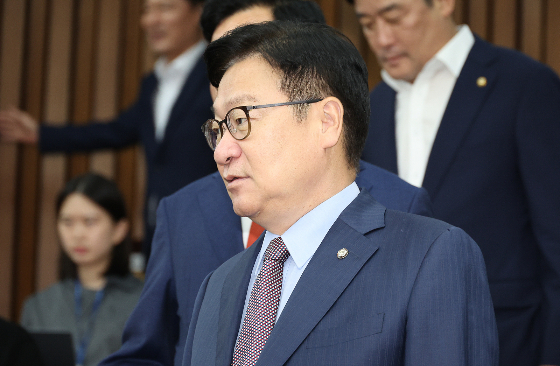
In the opposition People Power Party, there were allegations that the Lee Jae-myung administration effectively mobilized the National Pension Service to prop up domestic stock prices ahead of the the 3rd nationwide local elections. Jeong Jeom-sik of the People Power Party Won Nae (CEO) proposed on social media (SNS) on the 2nd: "I propose a national investigation to identify the causes and responsibilities for the KOSPI/KOSDAQ stock market crisis." He added, "If inappropriate government intervention and policy failures have led to increased market instability and caused large-scale losses in citizens' retirement funds, serious accountability must be demanded."
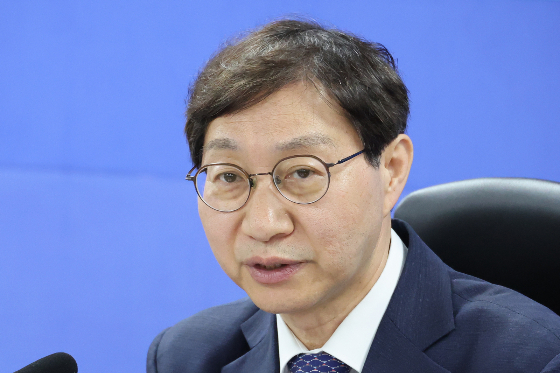
In contrast, Kim Sung-joo of the National Pension Service Lee (President) posted on SNS last month, stating: "We are not swayed by the high volatility that causes sharp market swings like these days. As long-term investors, we are adhering to our investment principles based on a long-term perspective and extended time horizon," thereby dismissing rumors about the NPS propping up stock prices.
Kim Lee (President) said: "The National Pension Service is not an institutional investor that invests based on short-term market movements, but a pension fund that seeks long-term returns for citizens' retirement."

 in STOCK


